← #nieuws

Dubbele versterking HollandBIO

, , ,

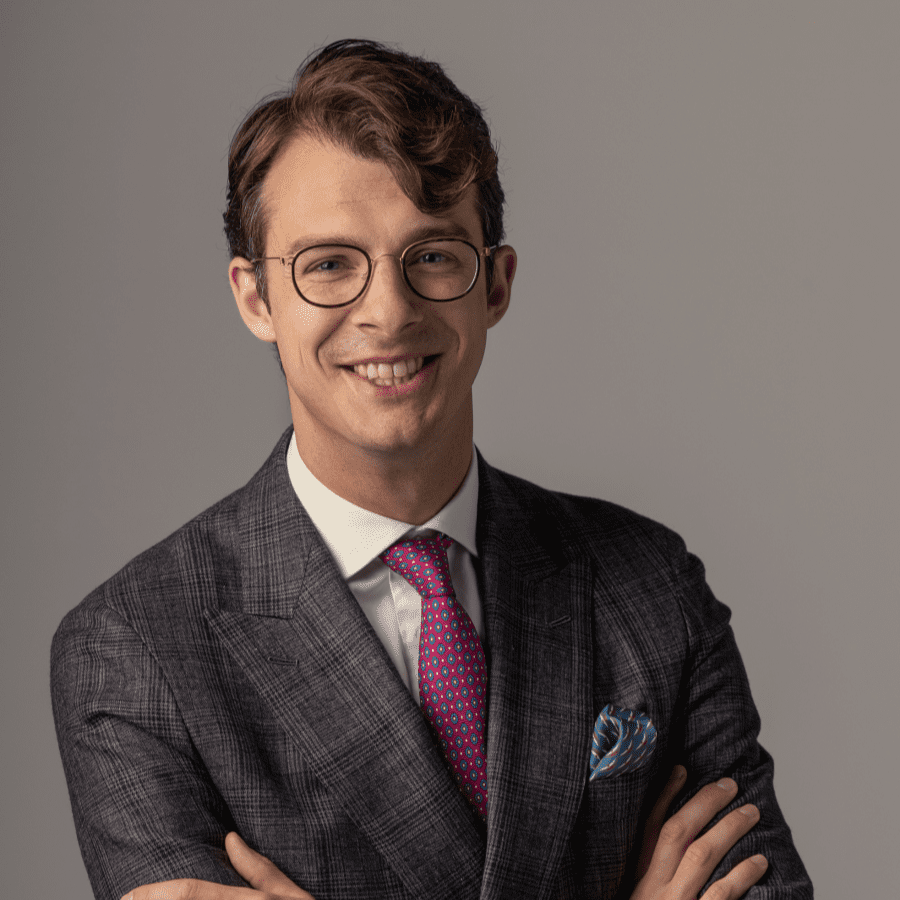
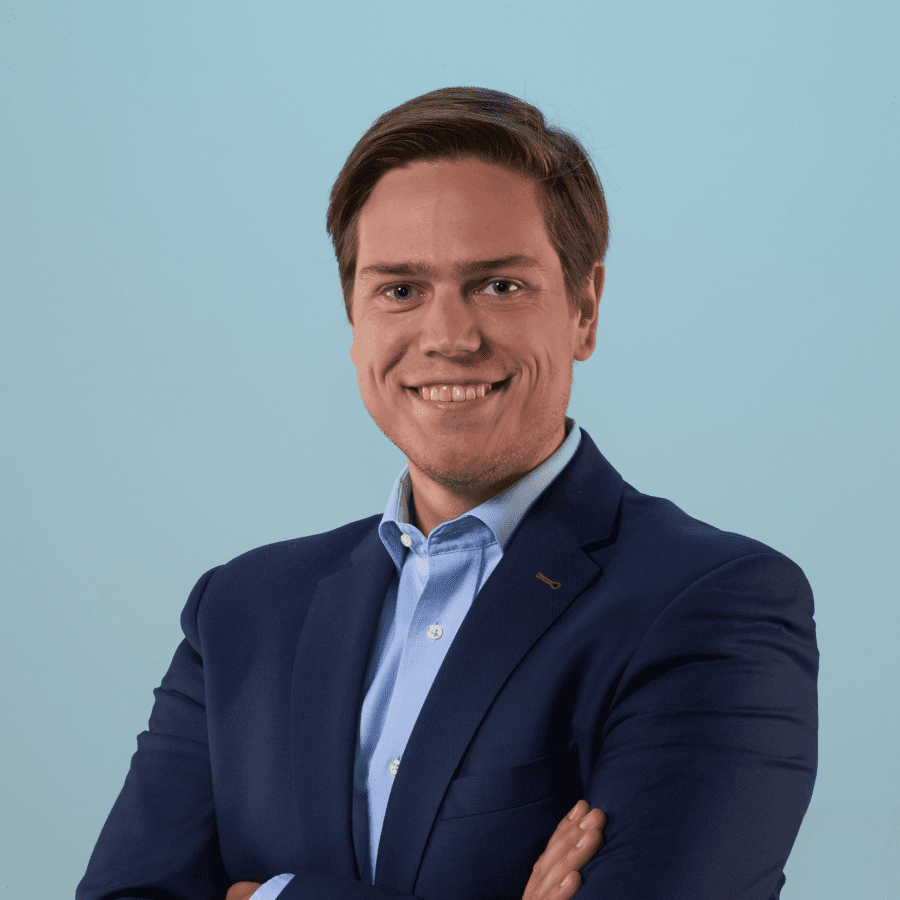
Vanaf vorige week is de mankracht van HollandBIO met niet één, maar zelfs met twee nieuwe krachten versterkt. Per 1 juli is Hugo van Rooijen aan de slag als kersverse Programmamanager IJzersterk innovatieklimaat en Casper Brack in de nieuwe functie van Communicatiemanager.

Hugo wil een lans breken voor de kennisrijke Life Sciences sector, die beeldbepalend is voor het toekomstig innovatie- en verdienvermogen van Nederland. Voordat Hugo bij HollandBIO kwam, werkte hij als Governmental Affairs Manager bij Janssen. Hier heeft hij veel ervaring opgedaan met het overheidsbeleid op het gebied van geneesmiddelen. Hugo heeft politicologie in Leiden en politieke communicatie in Antwerpen gestudeerd. Gezien zijn energieke inzet voor de sector zijn we maar wat blij dat Hugo zich bij team van HollandBIO heeft gevoegd en zich blijmoedig zal beijveren voor het programma IJzersterk innovatieklimaat.

Casper heeft een voorliefde voor begrijpelijke taal en weet dat bij HollandBIO goed te verbinden aan een gezonde maatschappelijke interesse. Voorheen werkte hij als redacteur en beleidsanalist voor Axon Healthcare, kennispartner binnen de gezondheidszorg. Hij is van huis uit neerlandicus en heeft zich gespecialiseerd in taalbeheersing, met een bachelor argumentatietheorie in Amsterdam en een master retorica in Leiden. Met zijn scherpe pen weet hij de mooie verhalen van onze sector te beschrijven, in de opgewekte toon die inmiddels zo kenmerkend is voor het team van HollandBIO en onze innovatieve branche.

“Wij hebben onwijs veel zin om het team te versterken. De huidige omstandigheden van de pandemie en coronacrisis onderstrepen de urgentie en het belang van de doorbraken die biotech ons allemaal bieden. Deze sector heeft ons namelijk veel te bieden en daar willen wij ons graag voor inzetten. Bovenal komen we bij HollandBIO in een warm bad met een groep enthousiaste en gedreven collega’s die met durf er de schouders onder zetten. Samen met hen willen wij de Life Sciences sector nog beter belichten en hen ondersteunen om nog innovatiever te worden!”

Kennismaken?

Onze kersverse krachten zijn bereikbaar via hugo.vanrooijen@hollandbio.nl en casper.brack@hollandbio.nl of 070-833 1333.

← #nieuws

Dossier Dwanglicenties: de HollandBIO Weekly Leaks

, , ,

Oh, de ironie: op de dag dat De Volkskrant een heel katern aan complottheorieën wijdt, “onthult” diezelfde krant dat de commissie dwanglicenties uit elkaar is geklapt door de stiekeme bemoeienis van HollandBIO. Helaas is de naakte waarheid een stuk minder spannend dan de chocoladeletter-kop doet vermoeden, en zoals wel vaker lang niet zo zwart-wit. Hoogste tijd voor een paar “onthullingen” van onze kant.

Onthulling 1: HollandBIO is een belangenvereniging

Voor ons, en hopelijk voor jullie ook, is het geen nieuws dat dat HollandBIO al ruim 6 jaar lang een belangenvereniging is. Voor De Volkskrant wel, die ons opvoert als farmalobbyisten. Onze lange tenen vinden dat dat niet helemaal de lading dekt, aangezien wij àlle biotech bedrijven vertegenwoordigen. Dus niet alleen grote farmaceuten, ook heel veel startups, scaleups en MKB’ers. Bedrijven die geneesmiddelen en vaccins ontwikkelen, slimme diagnostische testen, proefdiervrije innovaties, nieuwe plantenzaden, gecultiveerd vlees, en alle mogelijke duurzame biobased grondstoffen en ingrediënten. Maar oké, platgeslagen zijn we een lobbyclub. Als belangenvereniging voorzien we mensen en organisaties binnen en buiten de sector gevraagd en ongevraagd van informatie, analyses of redeneerlijnen. Bij de commissie dwanglicenties is dit ook het geval geweest. Dat is geen geheim. Sterker nog, het is de kern van wat we doen. Steeds meer organisaties vertrouwen op de kwaliteit van onze inbreng en onze bereidheid om samen tot oplossingen te komen. Zijn we trots op.

Onthulling 2: commissieleden en andere experts informeren zich

De Volkskrant schildert het af als een doodzonde, maar in de ogen van HollandBIO doen experts, of zij nu zitting nemen in commissies of niet, er juist goed aan om zich te informeren. Niemand kan immers alles weten, dus het toetsen van aannames en het opvragen van informatie helpt alleen maar om je een beter beeld te kunnen vormen van complexe onderwerpen en vraagstukken.

Onthulling 3: de commissie dwanglicenties was gedoemd te mislukken

Doorgaans vinden we het niet erg als onze invloed overschat wordt, maar laten we eerlijk zijn. In tegenstelling tot het beeld dat De Volkskrant en andere media, zoals de NOS (‘farmalobby probeerde advies over dwanglicenties te saboteren’), schetsen, was HollandBIO’s rol niet de reden dat de commissie dwanglicenties op een mislukking uitliep. De door de ministeries van EZK en VWS ingestelde commissie was, zoals de persoonlijke beschouwing van de commissievoorzitter ook al duidelijk maakt, gedoemd te mislukken. Al in een vroeg stadium bleken meningen en overtuigingen van de commissieleden over de (on)mogelijkheid en (on)wenselijkheid van de inzet van dwanglicenties mijlenver uiteen te lopen. Het ‘procedurele probleem’, zoals de rol van HollandBIO genoemd wordt, creëerde het perfecte excuus om de opdracht terug te geven en in plaats van verder blijven ploeteren naar een breder gedragen advies, een ‘persoonlijke beschouwing’ te schrijven. Wel zo makkelijk.

Onthulling 4: een dwanglicentie is noch sinecure, noch wondermiddel

Afgelopen donderdag ging -niet toevallig- op de drukste parlementaire dag van het jaar de brief over de uitkomsten uit de commissie dwanglicenties naar de Tweede Kamer. Dat is een beproefde ambtelijke methode om snel van een dossier af te zijn. Dat snappen we vanuit HollandBIO wel. In zowel de ‘persoonlijke beschouwing’ van de commissievoorzitter als uit de Kamerbrief wordt duidelijk dat dwanglicenties in alle opzichten – mag het, kan het, moeten we het willen – enorm veel haken en ogen kennen. Ze vragen per mogelijk geval om een complexe, integrale afweging. Zoveel nuance is voor een aantal commissieleden blijkbaar reden genoeg geweest om zelf een lijntje uit te gooien naar De Volkskrant, of om het dagblad desgevraagd op dit spoor te zetten, in een poging een groter podium voor hun eigen denkbeelden te krijgen.

Als bonus: drie scoops om ‘grootste onthullingen’ in de toekomst voor te zijn

De eerste: HollandBIO is niet tegen dwanglicenties. Het is een noodknop, een wettelijk verankerd instrument in te zetten wanneer de volksgezondheid in het geding is. Daarbij moet je eerder denken aan een pandemie, dan aan de situatie waarbij iemand vermoedt dat de QALY van een weesgeneesmiddel ook na geheime onderhandeling toch nog wat aan de hoge kant zou kunnen zijn. En juist zo’n laatste situatie was de aanleiding voor het instellen van de commissie. COVID-19 kwam pas later, toen de commissieleden al in onmin waren.

De tweede: HollandBIO zet zich in voor een ijzersterk innovatieklimaat. Vertrouw er dus maar op dat we, ook in de toekomst, iedereen gevraagd en ongevraagd met onze ideeën blijven bestoken om van Nederland een internationaal toonaangevende life sciences hub te maken.

En tot slot: alleen juristen profiteren van papieren tijgers. Van een florerende life sciences sector in Nederland, profiteert iedereen. 

Toch nog benieuwd naar het artikel van De Volkskrant? Lees dan hier verder.

← #nieuws

Excelya Welcomes The Clinical Company

Excelya, a leading contract research organization (CRO) specializing in clinical research, announced that three European CROs joined Excelya Group: Zeincro based in Central-Eastern & Southern Europe, The Clinical Company based in the Netherlands and Belgium and Koehler eClinical based in Germany. Together, they will be known as Excelya Group. This alliance will allow Excelya to offer a one stop provider service model throughout Europe for its clients, whether they need full service, functional service providing or consulting services.

Zeincro is a leading contract research organization primarily operating in Central-Eastern & Southern Europe with particular expertise in clinical operations, safety and medical affairs. The Clinical Company is present in the Belgian and Dutch markets specializing in clinical operations. Koehler eClinical is a German specialty CRO with a focus on biostatistics and data solutions. Thanks to the unification with these three companies, Excelya Group is now a leading European full service CRO providing services in 24 European countries. Excelya Group now employs 800 people in six areas of expertise, with expected combined revenues of €70 million in 2020.

Francois Moisson, CEO at Excelya: “Our newly European scale and reach will allow us to provide a full suite of end-to-end clinical solutions for our clients where they need them. These investments in innovation and delivery capacity position us to rapidly continue our growth in the short and medium term.”

Source: Excelya (press release)

← #nieuws

Dutch Life Sciences Trend Analysis: Record year of venture financing

, , ,

Biotechgate, the leading global biotech database, presents the annual Trend Analysis Report for the Dutch life sciences sector. The report shows a stable amount of life sciences companies and a sector which has grown in maturity. Biotech companies were successful in attracting venture capital; 2019 is a record year for venture financing.

Dutch biotech companies have shown to be successful in attracting new venture financing to their businesses. $293.65 million was raised in twelve private equity rounds. The biggest financing round, $130 million was raised by AM-Pharma.

Biotechgate currently lists 678 R&D life sciences companies in the Netherlands, 87% of the companies are small to medium sized enterprises (SMEs). Oncology remains the most prominent therapeutic area, followed by neurology and infectious diseases. With many ground-breaking companies and world-class universities, the Netherlands is the perfect location for biopharmaceutical innovation in Europe.

Hollandbio’s managing director Annemiek Verkamman is proud of the Dutch life sciences sector. “The life sciences sector is growing and getting more mature. Venture capitalists are getting more familiar with the specific business model of biotech companies and biotech companies are gaining experience in fund raising. This results in a record year for funding. By combining outstanding research, education and entrepreneurial spirit this sector trend can be successfully continued.”

Download full report.

Whether you are looking to partner with a Dutch company or looking for a specific service, you’ll find the most complete overview of the Dutch life sciences sector at www.dutchbiotech.com.

← #nieuws

Successful first HollandBIO @Home Webinar

, , ,

On Friday 26th of June it was time for the first HollandBIO @Home Webinar. Daniel de Boer, (CEO of ProQR Therapeutics) interviewed Geraldine O’Keeffe (Partner at LSP), Arthur Franken (General Partner at Gilde Healthcare), Krijn de Nood (CEO of Meatable) and Jan De Kerpel (Managing Director at Kempen & Co) about the influence of COVID-19 on the biotech financing landscape.

The corona crisis has a huge impact on the public capital market. Initially, share prices dropped and investors got nervous. For two months, Europe did not see an IPO of European biotech companies. Markets dried out and investors had to support their portfolio companies, and managing their company’s cash runway was top of mind for any biotech CEO. In May the public capital market began to crawl back again to normal levels.

Both Gilde Healthcare and Meatable managed to secure funding during the crisis. How did they pull that off? For the new fund of Gilde Healthcare, it was all about fortunate timing and great preparation. The in house groundwork was done in 2019 and all in person meetings with LPs were handled before the lock-down. During lock-down, they were able to retain the interest, none of the investors backed out. In reaction to the pandemic, cultured meat company Meatable strengthened its outreach to investors, shifting focus from a more generalist venture space to new funds in the cellular agriculture niche, that weren’t affected by COVID-19. 

Raising capital has changed a lot over the last months. Investors and entrepreneurs had to adapt to a new reality of deal closing without meeting face-to-face, making it harder to get a feeling of the team and business model. But the market bounced back, and deals are being closed via digital platforms. The panelist see a bright future for biotech in Europe, investors are eager to close deals and have the money to do so. Geraldine O’Keeffe advices entrepreneurs to think big, and to benefit from the positive effects of today’s crisis. These digital times seem to make it easier to reach out to investors. Jan De Kerpel echoes her positive, can-do, mindset and stresses the importance to think ahead and be prepared. Because in biotech, there will always be a next crisis.

Om deze video te bekijken, dient u marketing cookies te accepteren.
Webinar ‘Biotech financing during the pandemic’

← #nieuws

BISC Global opens an office in San Francisco

BISC Global is pleased to announce the opening of a new branch in South San Francisco, California. The new location complements the global presence with its current offices in Belgium, Boston and Switzerland.

“We are thrilled to be expanding our footprint into the technology hub that is the Bay area” said Maarten Braspenning, CEO of BISC Global. “As a bioinformatics, statistics and machine learning consulting company with a global view and local approach, we believe San Francisco is a key location for the next step in our company’s growth. We look forward to supporting the local pharma and biotech companies, as well as the research institutes and universities that call California home.”

As the go-to bioinformatics consulting company, BISC Global will offer high quality services for data-analysis, visualization, interpretation and storage. Dr. Fleur Leenen will be leading the effort to help the California biotech community to make the most of their data.

Fleur Leenen, Manager & Principal Consultant California at BISC Global: “Having first-hand experienced the added value of working in close connection with our clients to make biological data understandable and actionable, I am excited to embark on BISC’s next chapter here in California. The team looks very much forward to working together with the local pharma and biotech companies, as well as the research institutes and universities that make the vibrant, innovative and tech-savvy west-coast community”

Founded in 2017 BISC Global has grown to be a Top 10 Bioinformatics Consulting and Services Firm supporting world’s leading pharmaceutical and biotech companies. Through our offices in Ghent, Belgium; Basel, Switzerland; Boston, MA; and San Francisco, CA; BISC Global provides data-analytics, custom tool/pipeline development, and cloud solutions delivered on-site or remotely. By leveraging our global workforce of expert consultants, we support analysis across multiple domains, including machine learning (data mining, pattern recognition, image analysis, (un)supervised learning, neural networks, deep learning, etc.), bioinformatics (single-cell transcriptomics, metabolomics, metagenomics, epigenomics, etc.), and statistics (experimental design, mathematic modelling, signal-to-noise enhancement, and independent data cross validation). To learn more, please visit www.biscglobal.com.

Source: BISC global (press release)

← #nieuws

BioGeneration Ventures closes BGV IV fund at €105 million

BioGeneration Ventures (BGV), a leading early-stage VC in European biopharma, announces the closing of its fourth fund, BGV IV, at €105 million ($119 million). Strong market interest expediated the fund raise, with the commitments to date exceeding the fund’s original target.

The BGV IV fund has attracted notable institutions as investors such as, Bristol Myers Squibb, Schroder Adveq and the European Investment Fund. New investors to BGV IV include Industriens Pension and KfW Capital.

BGV is one of the largest VC funds in Europe focused on early investments in new bio-technology companies, with over € 220 million assets under management. Its team has broad experience in investment, life sciences, business development, and commercial operations. It also draws on experienced biotech entrepreneurs as venture partners and advisors, to the benefit of its portfolio companies.

The Company’s approach is to partner with scientists from major European institutions and entrepreneurs. The aim is to build new companies, around either single assets or technology platforms with the goal of creating transformational new medicines. This strategy is supported by the strong collaboration between BGV and Forbion, providing a platform across early- to late-stage companies.  

The investment strategy for the BGV IV fund will follow the same successful path as BGV’s other funds, which have resulted in innovative new medicines reaching patients and yielded significant returns for investors. 

Portfolio successes of earlier BGV funds include Acerta Pharma, which was acquired by AstraZeneca for up to $7bn and whose lead product Calquence® is now approved and marketed in the US, and Staten Biotechnology, which signed a €430 million exclusive option deal with Novo Nordisk.  Other companies in the current BGV portfolio include NorthSea Therapeutics, Azafaros, Varmx, and Confo Therapeutics.

Edward van Wezel, BGV’s Managing Partner said:

“Over the last few years, BGV has demonstrated that investing in early-stage companies in Europe can bring innovative science to meet patients’ needs worldwide as well as financial value to investors. With this new fund, we are pleased to have the backing of some of our long-standing investors; we also welcome our new investors, Industriens Pension and KfW Capital.  The early-stage science coming out of European Institutions is second to none and we are working with those at the forefront of their fields. We believe we can make a significant difference to companies in helping them translate promising science into transformational new medicines.”

Frederik Fischer Hjerl, Investment Manager at Industriens Pension, added:

“As a new investor to the BGV fund, we have had a lot of focus at the BGV team’s strong track record and their approach towards early innovation. There is an urgent demand for new medicines which might accelerate the level of innovation coming out of research institutions across Europe. Having an experienced team like BGV, which in multiple occasions has proven capable of identifying and nurturing the potential future stars, is crucial to bringing new ideas forward. We look forward to working with BGV to help bring new medicines through.”

Source: BGV (press release)

← #nieuws

Scenic Biotech Awarded €3.1 million Innovation Credit

,

Scenic Biotech, a pioneer in the discovery of genetic modifiers to enable the development of disease modifying therapeutics for rare genetic disorders and other devastating illnesses, today announced that it has been awarded a €3.1 million Innovation Credit from the Dutch Government. The funds will be used to advance the Company’s lead CD47/QPCTL immuno-oncology program through preclinical development towards human clinical studies.

The Innovation Credit is awarded by the Dutch government through its agency RVO of the Ministry of Economic Affairs and Climate Policy and is aimed at the development of promising and challenging innovations. It will support the preclinical development of novel QPCTL (Glutaminyl-peptide cyclotransferase-like) inhibitors, completing the two-year project with an IND filing.

Scenic’s CD47/QPCTL immuno-oncology program builds on seminal work by the Netherlands Cancer Institute (NKI) and Leiden University Medical Centre (LUMC). An enzyme present in cancer cells, QPTCL was first demonstrated as a promising target for immuno-oncology by using the Company’s proprietary high-resolution genetics platform called Cell-Seq. The results of this discovery were published in the journal Nature Medicine.

QPCTL was found to be a druggable modifier of the CD47 innate immune checkpoint, which is one of the major mechanisms by which cancer cells evade detection by the immune system. As a result of this activity, CD47 is also known as the ‘don’t eat me signal’. After being the first to discover and validate QPCTL as a promising target in immuno-oncology, NKI and LUMCs scientists also showed that small molecule inhibitors of QPCTL can prevent the expression of functional CD47 on cancer cells, thereby causing the cancer cells to be attacked by macrophages and destroyed.

Scenic has gone on to develop a series of chemical inhibitors with potent inhibition against QPCTL and has filed a patent application related to this chemical series.

Dr Sebastian Nijman, co-founder and CEO of Scenic Biotech said:
“We are delighted to be selected for this award from the Dutch Government, recognizing the potential of our program to develop a new cancer therapy. The funding will enable us to accelerate the optimization of our proprietary small molecule QPCTL inhibitors and then advance them towards filing an Investigational New Drug (IND) application with the U.S. Food and Drug Administration (FDA). This is the first step in the drug review process before clinical trials can begin and will represent an exciting milestone for our Company.”

An Innovation Credit can include the technical development of a new product or process or the clinical development of a medicine or device and requires matching funding from Scenic. After the IND approval phase, Scenic will seek a Partner to support human clinical trials.

Source: Scenic (press release)

← #nieuws

Key stakeholders Massachusetts and the Netherlands meet again in virtual session

, ,

Two weeks ago, key stakeholders from Massachusetts and the Netherlands came together in a digital session to discuss how the Life Sciences & Health ecosystems are responding to COVID-19, which lessons could be learned from the reaction to the pandemic, and how to stimulate closer international collaboration.

The same organisations also signed a MoU in 2019 to advance ongoing collaboration in life sciences and included Mark Sullivan (Massachusetts Office of International Trade and Investment, MOITI), Elizabeth Steele (MassBio), and Jennifer Griffin (Massachusetts Life Sciences Center) from Massachusetts and Focco Vijselaar (Ministry of Economic Affairs and Climate Policy), Clémence Ross-van Dorp (Ministry of Economic Affairs and Climate Policy), Annemiek Verkamman (HollandBIO) and Carmen van Vilsteren (Health~Holland) from the Netherlands. Akshay Vaishnaw (Alnylam Pharmaceuticals) and Freddy Nguyen (MIT COVID-19 Challenge) were invited as speakers to share their activities in light of COVID-19. The session was moderated by Hans Schikan (Top Sector Life Sciences & Health). 

Biotech companies have proven to be dynamic and are pivoting to focus their work on therapies and vaccines. Even more so, participants observe an increased level of cooperation between different companies, researchers and governments to find solutions. For instance, the extent with which data has been shared across the sector has largely increased. This doesn’t stop at the private sector, as public and semi-public organizations have informed each other across borders to support each other in handling the situation. Also when looking at formal procedures, agencies have shown great efficiency in shortening approval procedures to speed up the development of vaccines and therapies.

A paradox can be observed regarding the supply of PPE and other vital medical equipment that companies have sourced internationally. The pandemic has shown the limits of international supply chains, therefore, will governments require that vital manufacturing be maintained within their geographical reach? On the other hand, participants in this virtual session agree that there will always be a need to collaborate internationally and make use of each other’s strengths. According to the Airbus model, if all strengths from different countries or ecosystems could be brought together, this will create a stronger value chain where collaboration between partners is needed and truly adds value.

When looking ahead, participants recognize that in a post-COVID world, we should be better prepared for a possible outbreak of a pandemic. That we need to be ready to think and act together, internationally, so we can organize the supply chain and share data and expertise when needed.

← #nieuws

EenVandaag: loods innovatieve start-ups door de coronacrisis

, , ,

EenVandaag stond afgelopen zondag stil bij de grote gevolgen van de coronacrisis op innovatieve start-ups, scale-ups en MKB. Remko van Leeuwen, CEO van Madam Therapeutics, vertelt in de uitzending over de financiële uitdagingen. De kleine bedrijven zijn de groeimotor van de Nederlandse economie. Ze hebben zwaar te lijden onder de coronacrisis, maar de steunmaatregelen sluiten veelal niet aan bij hun behoefte. Ook de Corona-Overbruggingslening (COL), die in eerste instantie een uitkomst leek, schiet tekort. Het budget is zwaar overvraagd, tijdslijnen worden overschreden en 43,5% van aanvragers kreeg al nul op het rekest.

Recent onderzoek van StartUp Genome laat zien dat 86% van de innovatieve start-ups, scale-ups en MKB binnen drie maanden in financiële problemen komt. Naast de COL, werd ook het Tijdelijke Overbruggingskrediet innovatieve Start en Scale ups (TOPSS) in het leven geroepen om deze belangrijke bedrijven door de crisis heen te slepen. Met een totaal budget van €300 miljoen, zijn de regelingen echter een  druppel op een gloeiende plaat. Al meer dan 1700 bedrijven hebben een aanvraag ingediend goed voor een bedrag van €760 miljoen. De nood is dus hoog. 25,8% van de aanvragen wacht nog op een oordeel en 43,5% werd reeds afgewezen.

De COL-aanvraag van Madam Therapeutics was één van die afgewezen voorstellen. In EenVandaag vertelt CEO Remko van Leeuwen over de situatie. Hij geeft aan dat het normaal al geen sinecure is om investeerders aan te trekken voor de ontwikkeling van nieuwe antibiotica, laat staan in tijden van crisis. En dat terwijl de zorgen rondom infecties en resistentie groter dan ooit zijn. De afwijzing vindt hij dan ook onterecht.

Ook Luciel Burm, voorzitter van de Dutch Startup Association (DSA) spreekt zijn zorg uit. Als er niet meer geld bijkomt, dreigt een kaalslag van de sector. Landen om ons heen treden veel doortastender op: Duitsland, Frankrijk en Engeland investeren momenteel miljarden in start-ups, en daarmee in de economie van morgen.

De regionale ontwikkelingsmaatschappijen (ROMs), die de COL aanvragen beoordelen en verstrekken, zien zelf ook dat de nood hoog is. Zo spreekt Marc Janssen, manager Brabant Ventures bij de BOM de hoop uit dat er uiteindelijk nog meer geld beschikbaar komt, vooral voor bedrijven in hun vroege fase. HollandBIO kan zich daar alleen maar bij aansluiten, net als bij de woorden van DSA’s Luciel Burm:  ‘Minister Wiebes heeft gezegd dat we ons uit de crisis moeten investeren. Ik nodig hem van harte uit dat te doen in start-ups.’.

En dat alles liever vandaag dan morgen.

Lees meer