← #nieuws

Coalitieakkoord – een eerste blik op biotech

Afgelopen vrijdag hebben de partijleiders van D66, VVD en CDA hun Coalitieakkoord gepresenteerd waarmee ze aan de slag willen om te bouwen aan een beter Nederland. We blikken in een eerste analyse en duiding vooruit op de vraag wat het akkoord voor biotech betekent, onze leden zullen we binnenkort uitgebreider informeren.

De rol van biotech en life sciences in het akkoord

De coalitie gaat meermaals expliciet in op de rol die de Nederlandse biotech kan spelen in de aankomende jaren. Enerzijds wordt biotech genoemd als één van de pijlers binnen het vernieuwde industriebeleid, anderzijds als een belangrijke sleutel voor toekomstige voedselzekerheid. Hieronder vind je op biotech belangrijke thema’s als gezondheidszorg, klimaat en landbouw en het innovatieklimaat een samenvatting van de algemene richting en de koers die de nieuwe coalitie kiest.

Gezondheidszorg

In de zorg verschuift de focus nadrukkelijk naar preventie, passende zorg en bewezen effectieve behandelingen. Het kabinet wil de gezondheid van kinderen en kwetsbare groepen verbeteren, onder meer met investeringen in sport, beweegstimulering en medische preventie. Tegelijk wordt het zorgaanbod strenger getoetst op meerwaarde, schaal en doelmatigheid, met bezuinigingen op innovatieve geneesmiddelen, een grotere rol voor het Zorginstituut en stevigere eisen aan beroepsrichtlijnen. Digitale zorg, data‑uitwisseling en nieuwe technologieën moeten zorgverleners ontlasten, terwijl geneesmiddelentekorten via Europese productie en minder verspilling worden aangepakt.

Klimaat en landbouw

Nederland werkt aan een duurzaam en toekomstbestendig economisch systeem met duidelijke doelen voor emissiereductie, circulaire productie en energiezekerheid. De transitie richt zich op zowel industrie als landbouw: van methaanremmers en geïntegreerde gewasbescherming tot het opschalen van innovaties zoals kweekvlees, biobrandstoffen en koolstofverwijdering. Tegelijk wordt fors ingezet op het oplossen van netcongestie en het creëren van een stabiel Europees speelveld, zodat bedrijven kunnen investeren in elektrificatie en verduurzaming. De overheid wil als launching customer optreden om markten voor circulaire en groene technologie sneller te laten groeien.

Innovatieklimaat Voor een sterke concurrentiepositie bouwt het kabinet aan een aantrekkelijk innovatieklimaat met stabiele regelgeving, betere toegang tot kapitaal en een langetermijnstrategie voor sleuteltechnologieën. De nieuwe Nationale Investeringsinstelling moet private groei financieren waar de markt tekortschiet, terwijl Europa via de European Tech Champions Initiative en IPCEI’s een belangrijke partner blijft. Door regelgeving te vereenvoudigen, vergunningen te versnellen en experimenteerruimte te vergroten, moeten ondernemingen sneller kunnen opschalen. Tot slot krijgt Nederland een DARPA‑achtig agentschap voor disruptieve innovatie én een defensie‑innovatieautoriteit om technologische voorsprong veilig te stellen.

← #nieuws

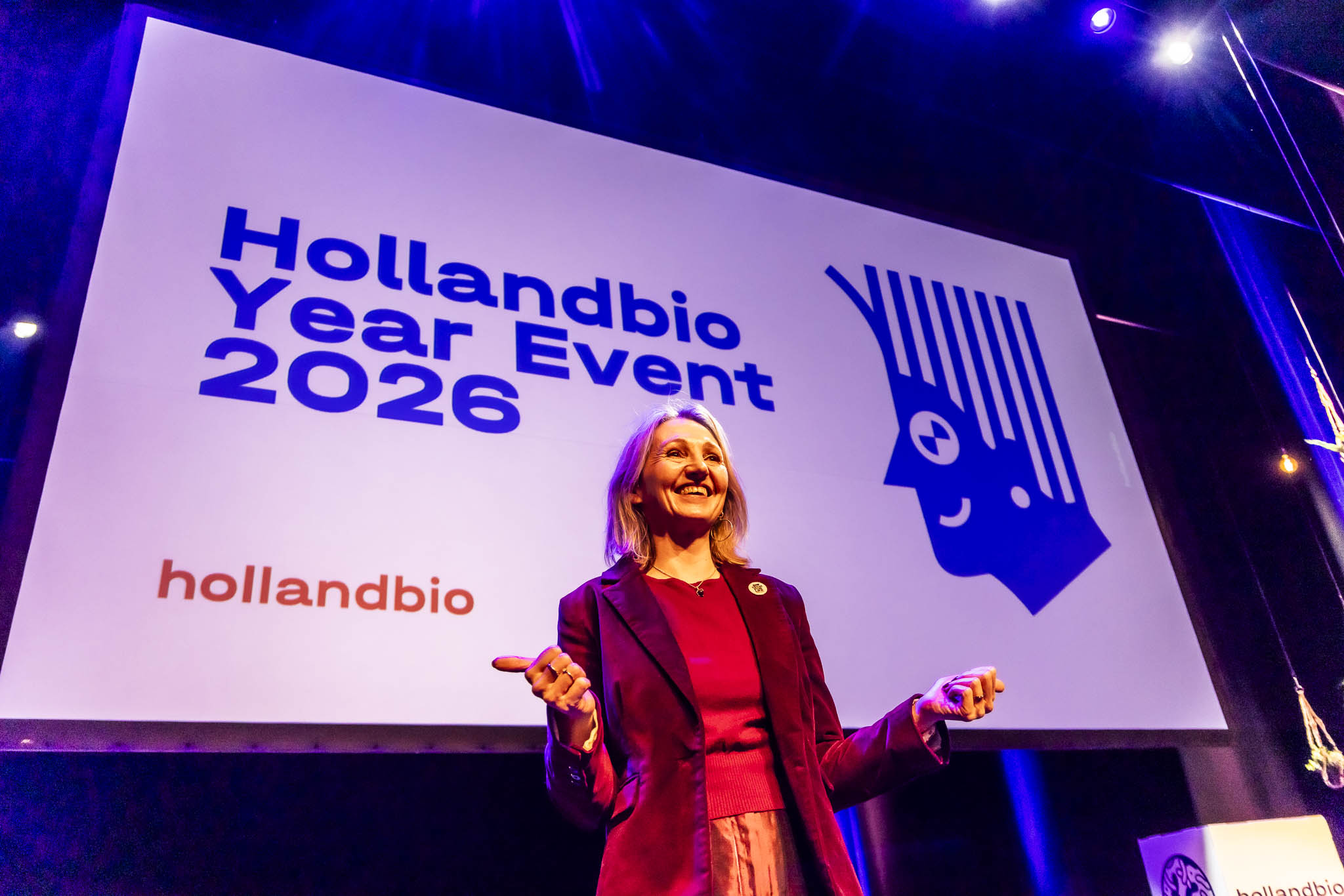
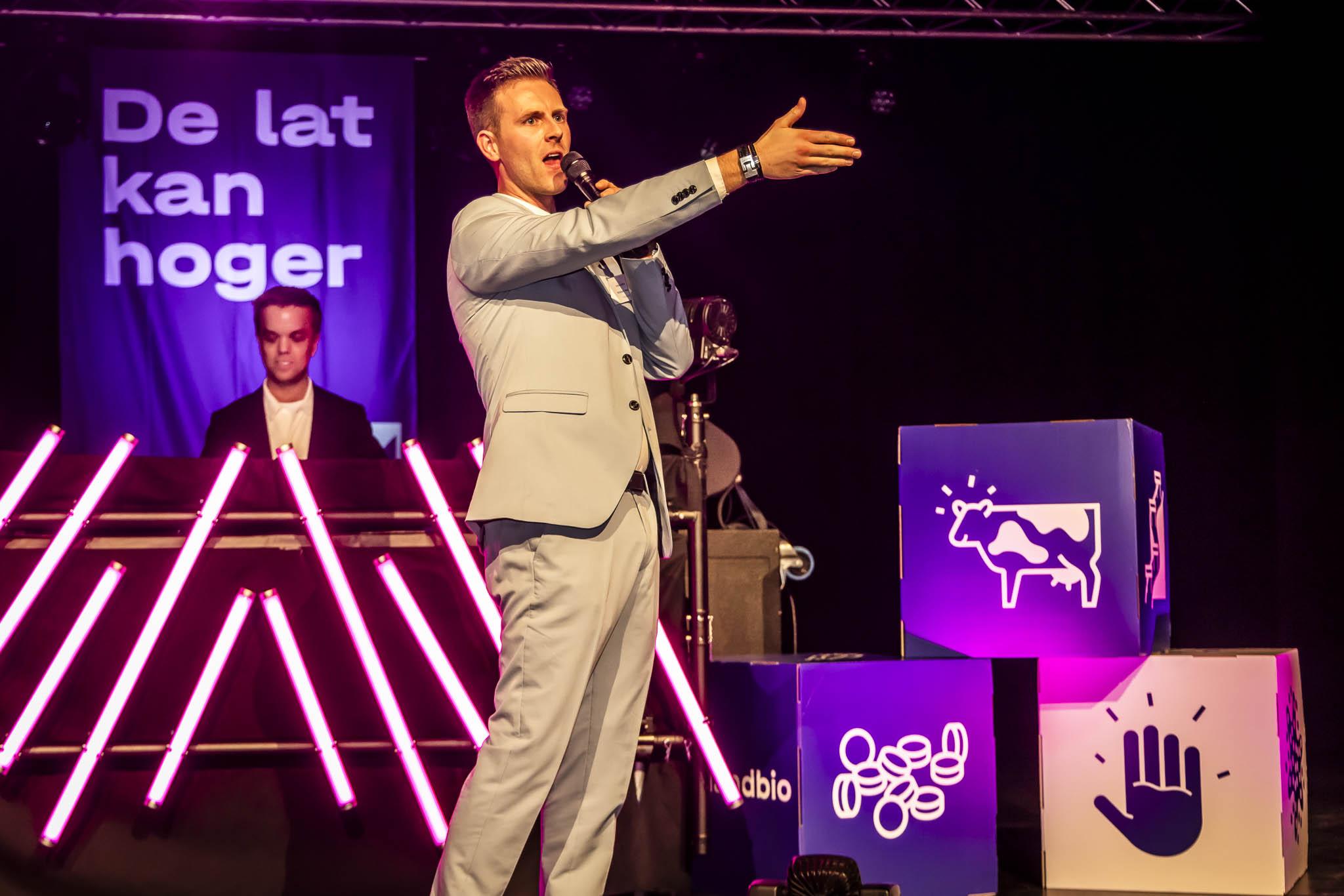
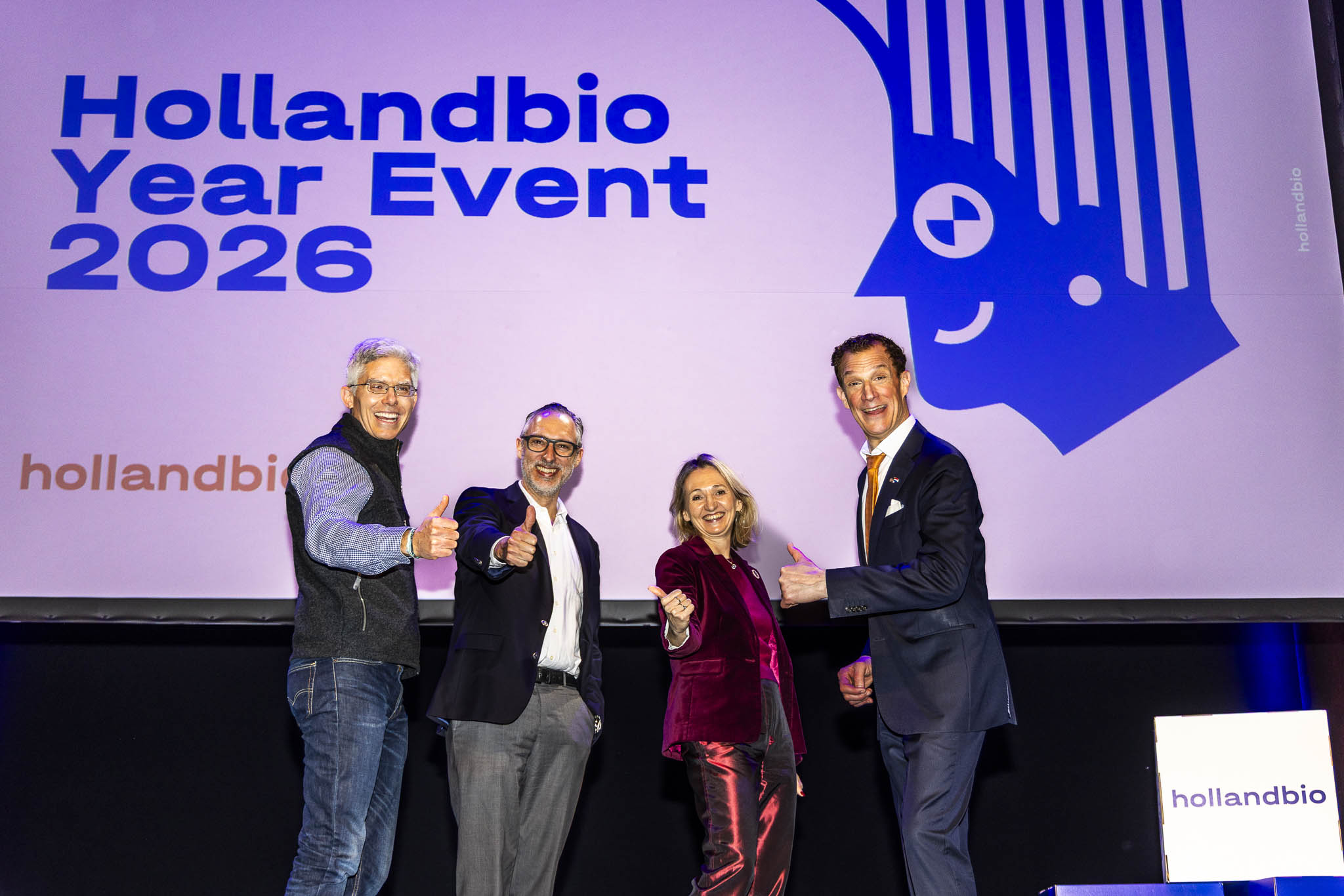
Celebrating the Dutch biotech ecosystem in Amersfoort: “The era of biotech has just begun.”

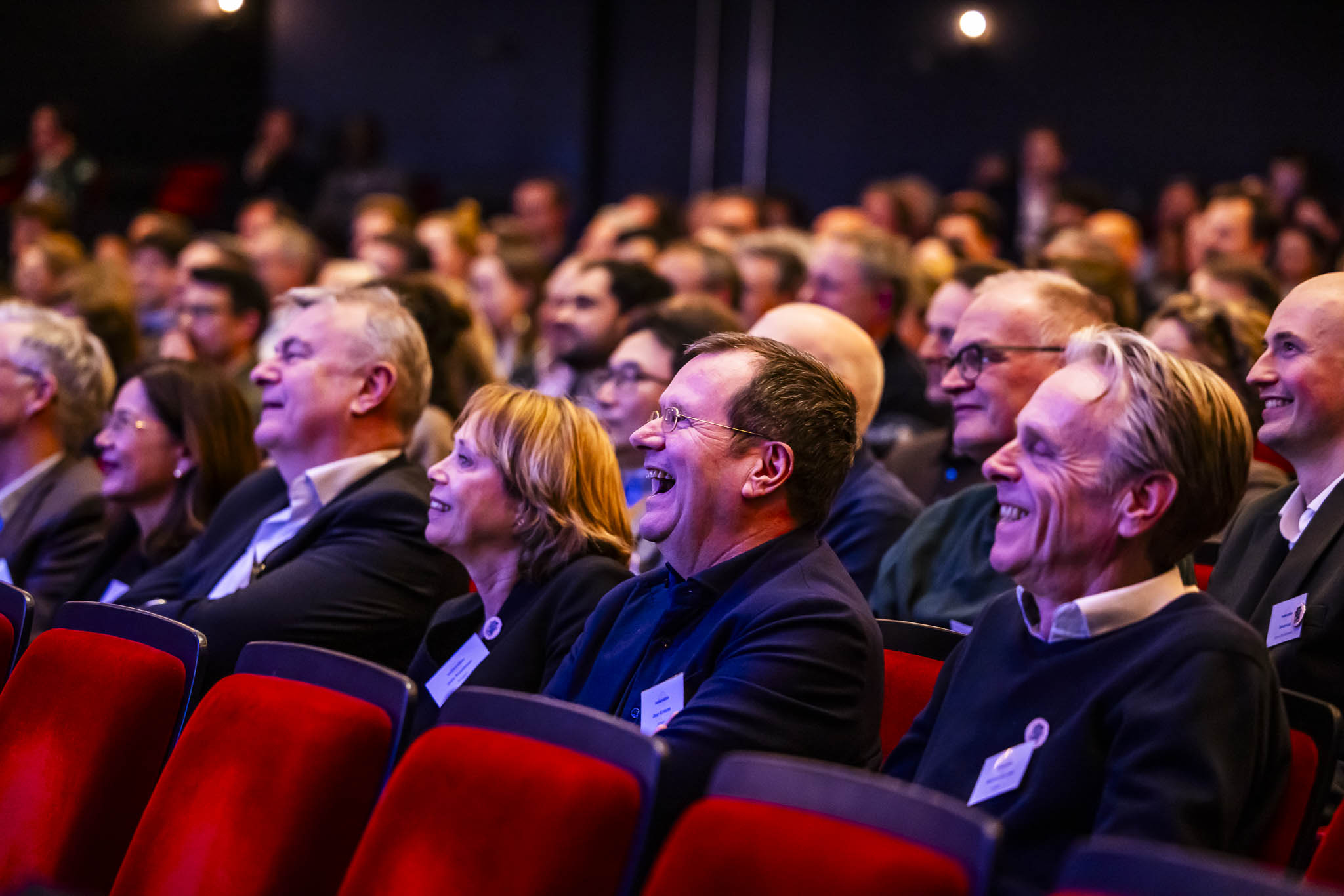
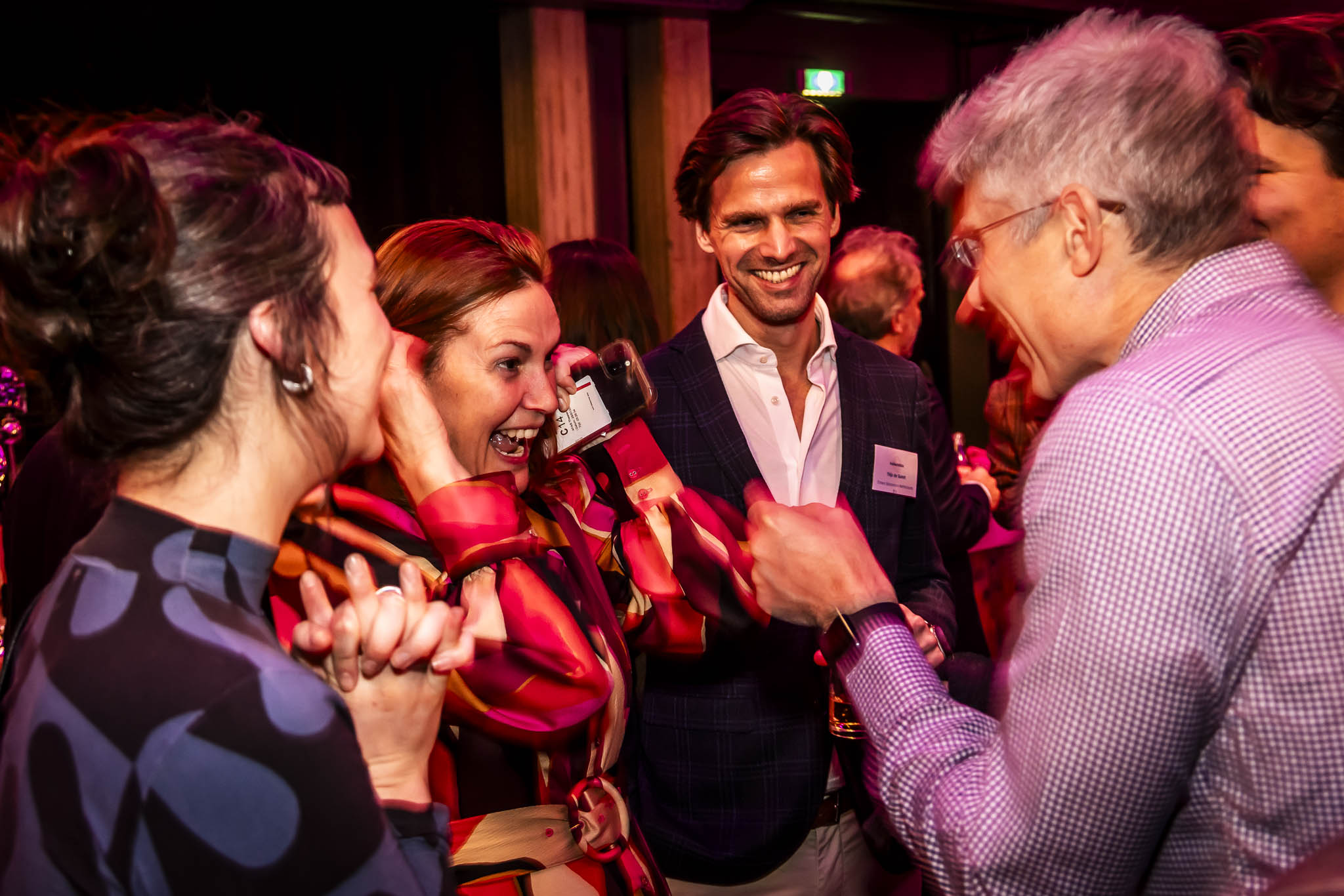
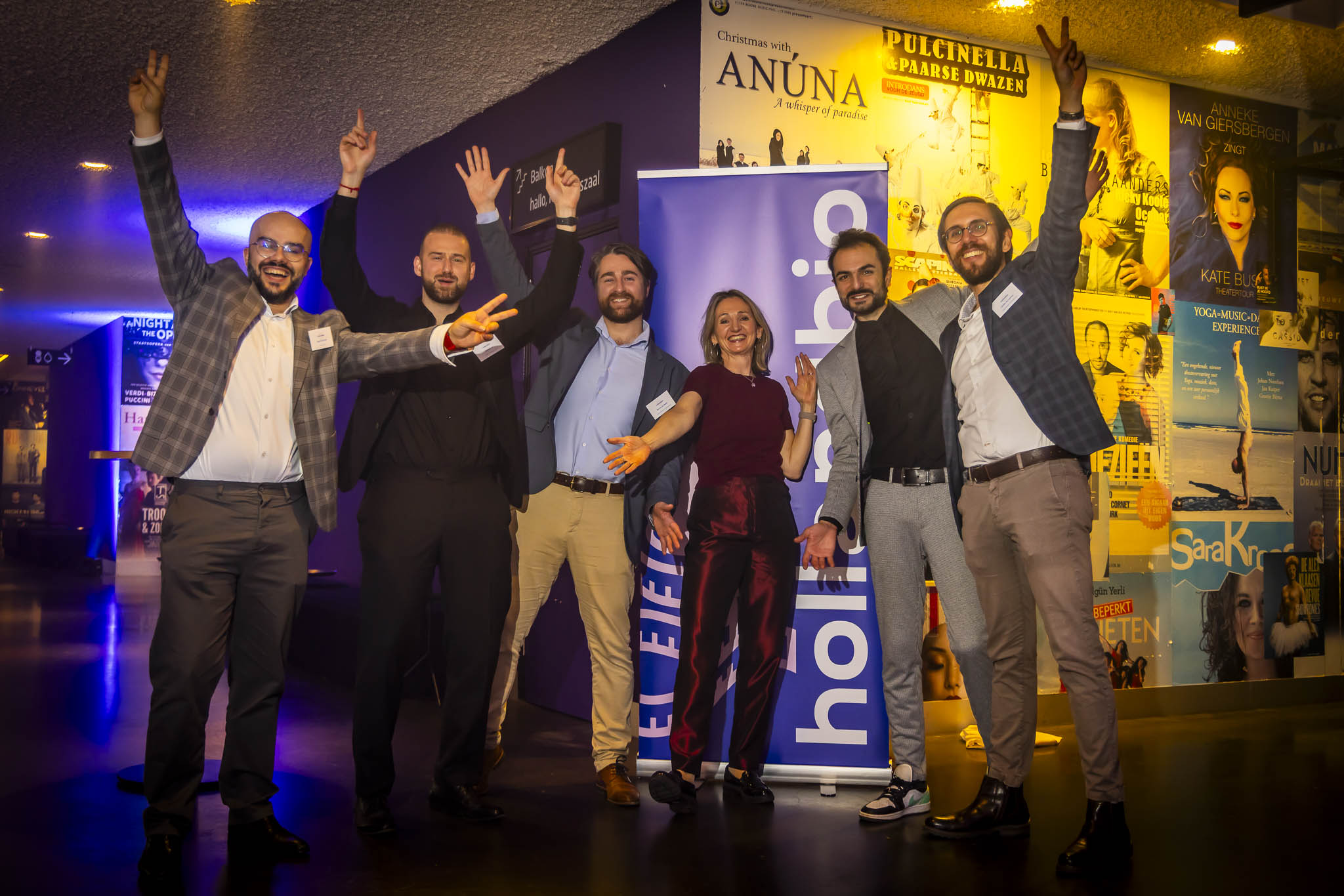
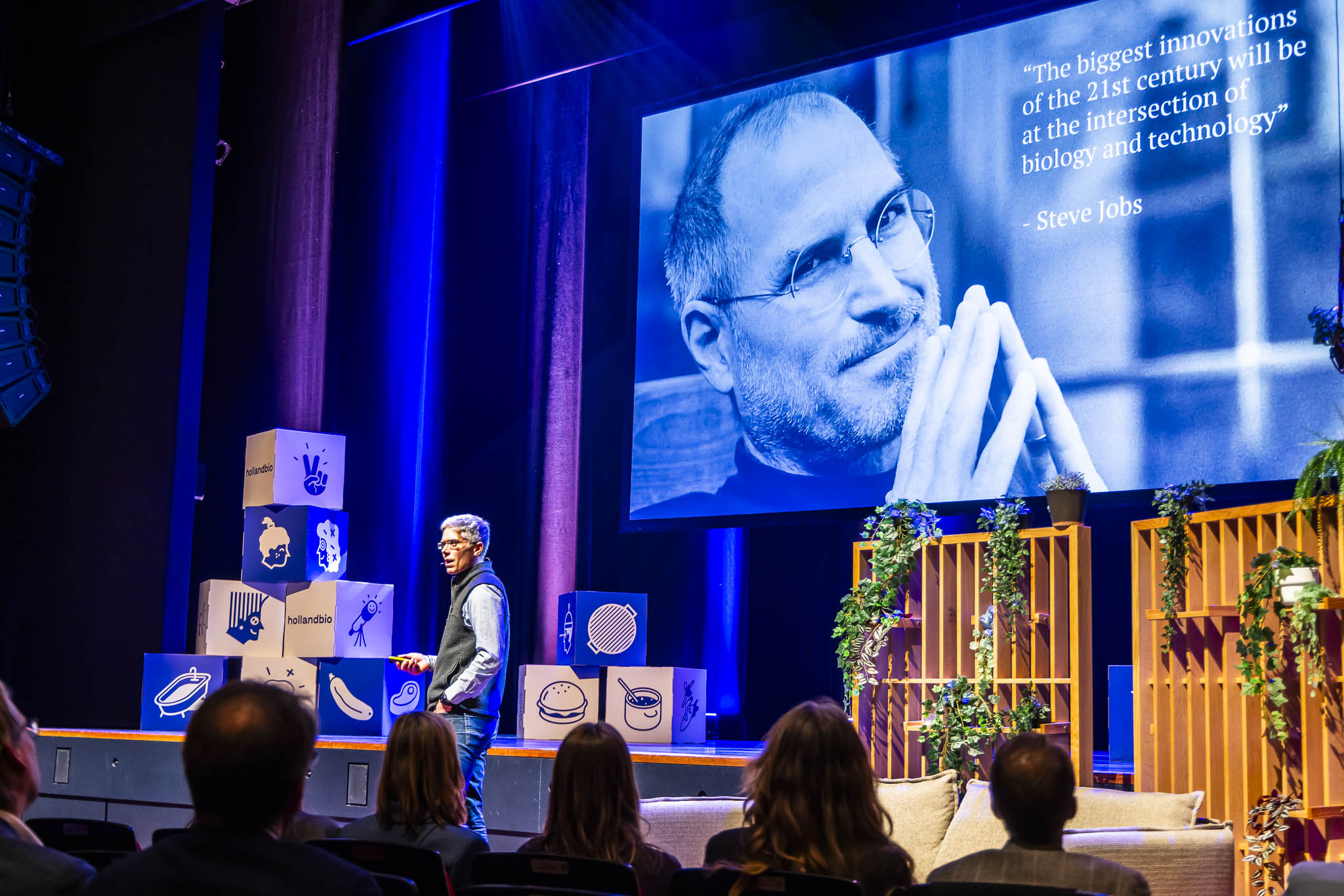
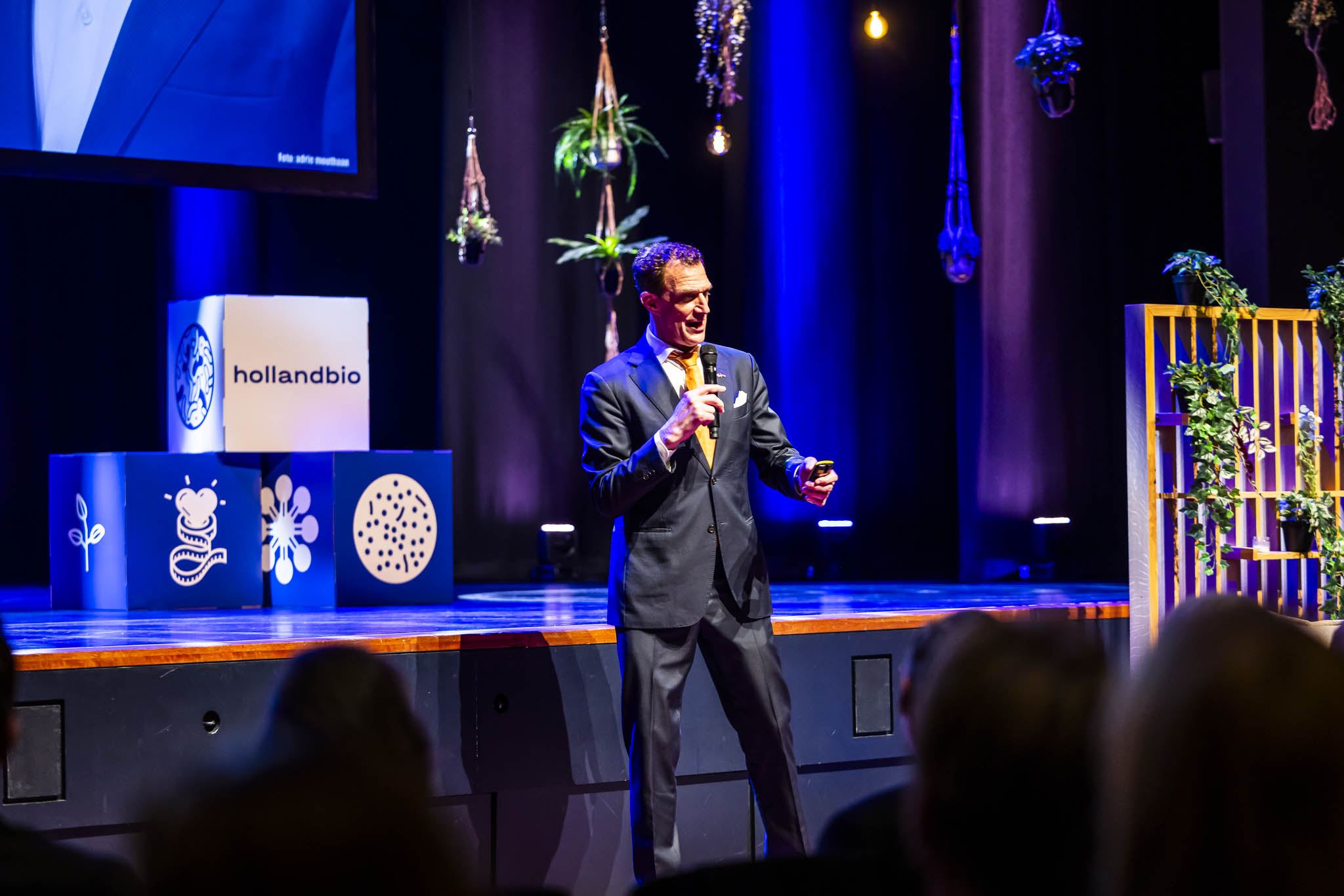
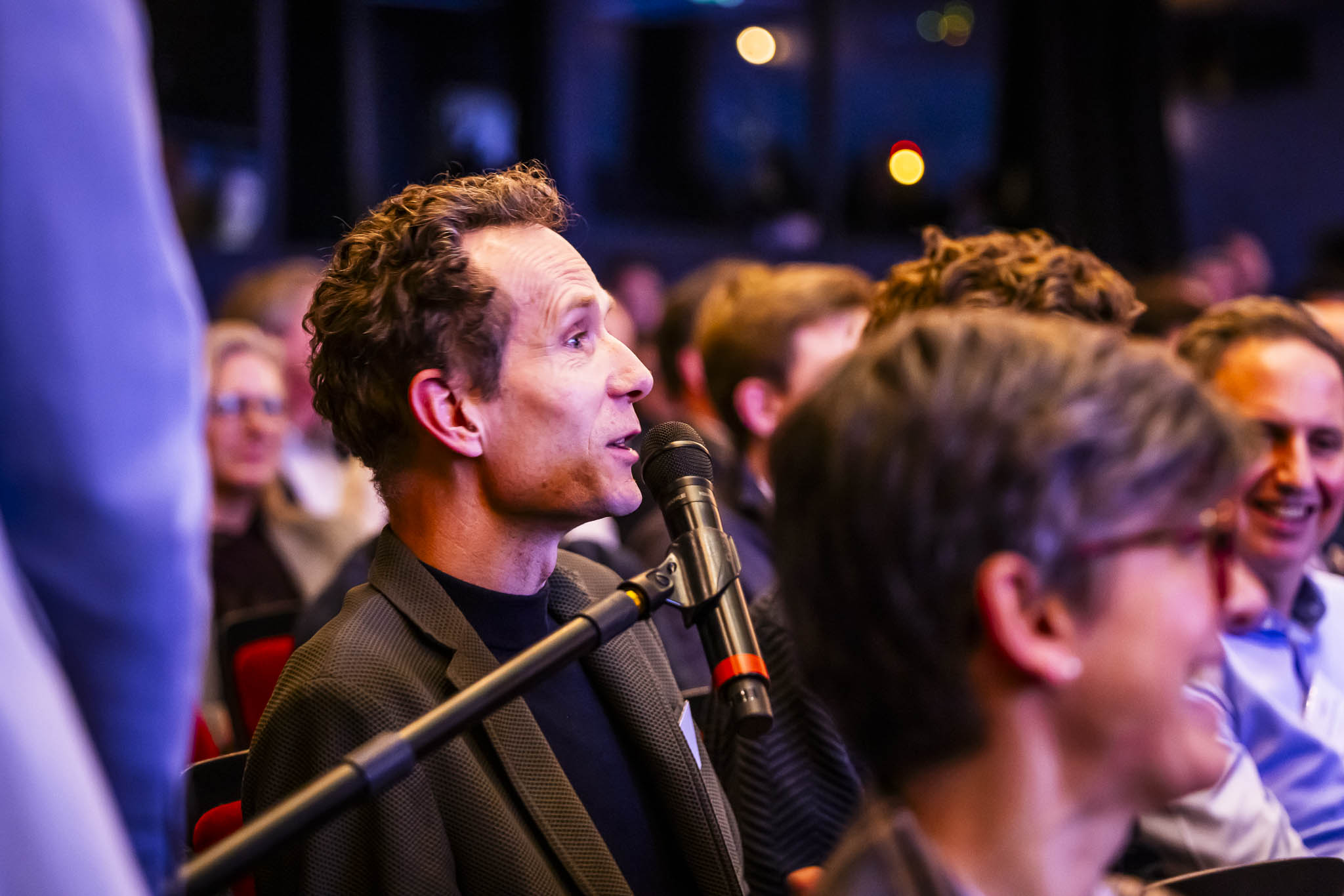
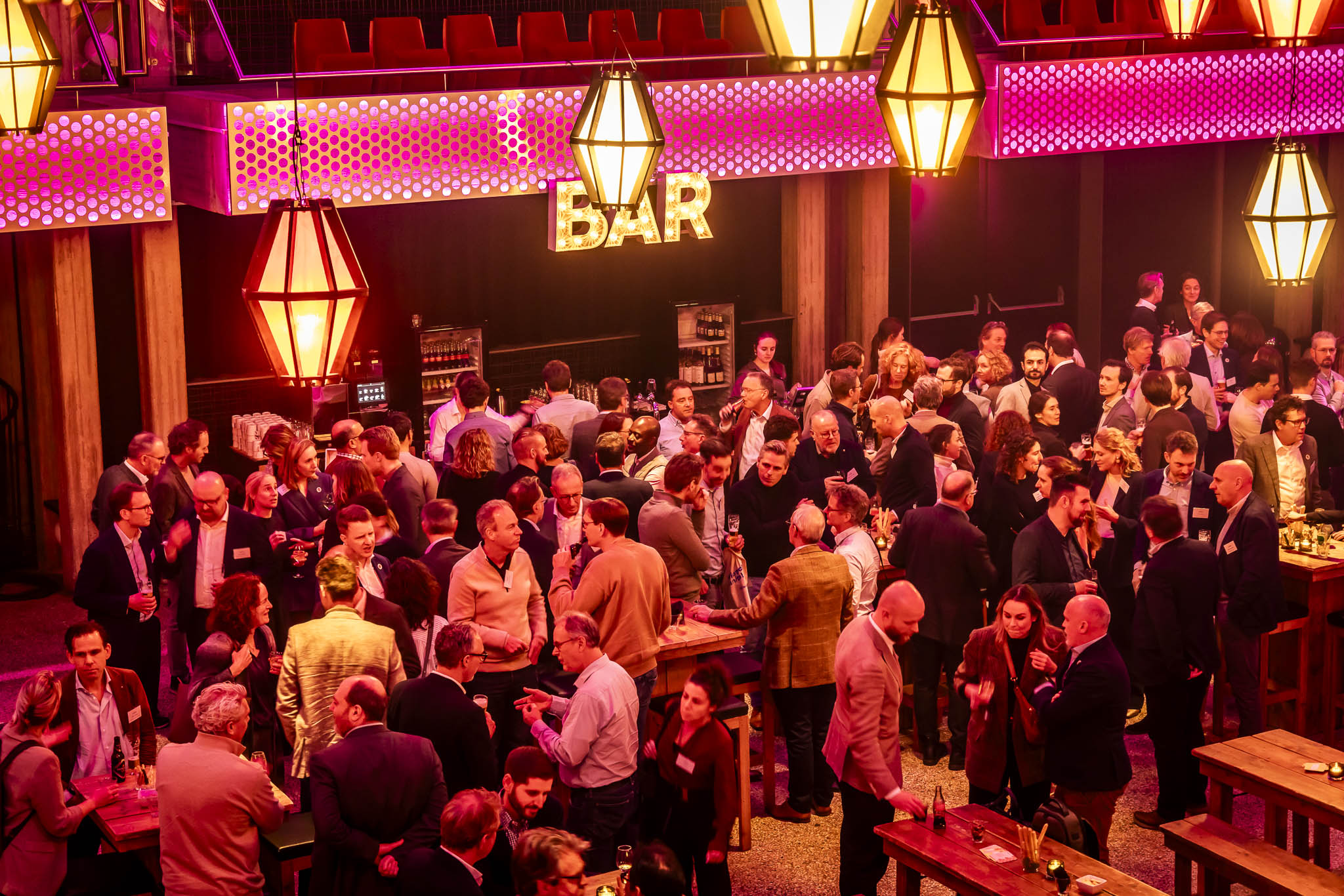
On a snowy Thursday afternoon, last week in in Amersfoort, over 300 members of the Dutch biotech ecosystem gathered at Theatre Flint for the hollandbio Year Event. Familiar faces and new connections came together for a day of networking, inspiring talks and insights about the state of play and future of biotech.

The event opened with a clear message from hollandbio managing director Annemiek Verkamman: the biotech sector needs to keep on building trust.

For a sector built on science and evidence, it is tempting to believe that facts alone should be enough. That was already not the case, but even more so in a world full of misinformation, polarisation and slow decision-making. Before facts, there must be trust.

Trust in biotech companies.
Trust that innovation benefits society.
Trust that investing in biotech is not a risk, but a responsibility.

With enough trust in the people in and in the potential and power of biotech, difficult but necessary choices would follow: faster regulation, more room for entrepreneurship, acceptance of risk, and real transitions in healthcare, agrifood and sustainability.

That is where hollandbio continues to play its role: connecting the ecosystem, building trust, and helping create the conditions in which biotech can flourish.

A global sector under pressure but full of potential

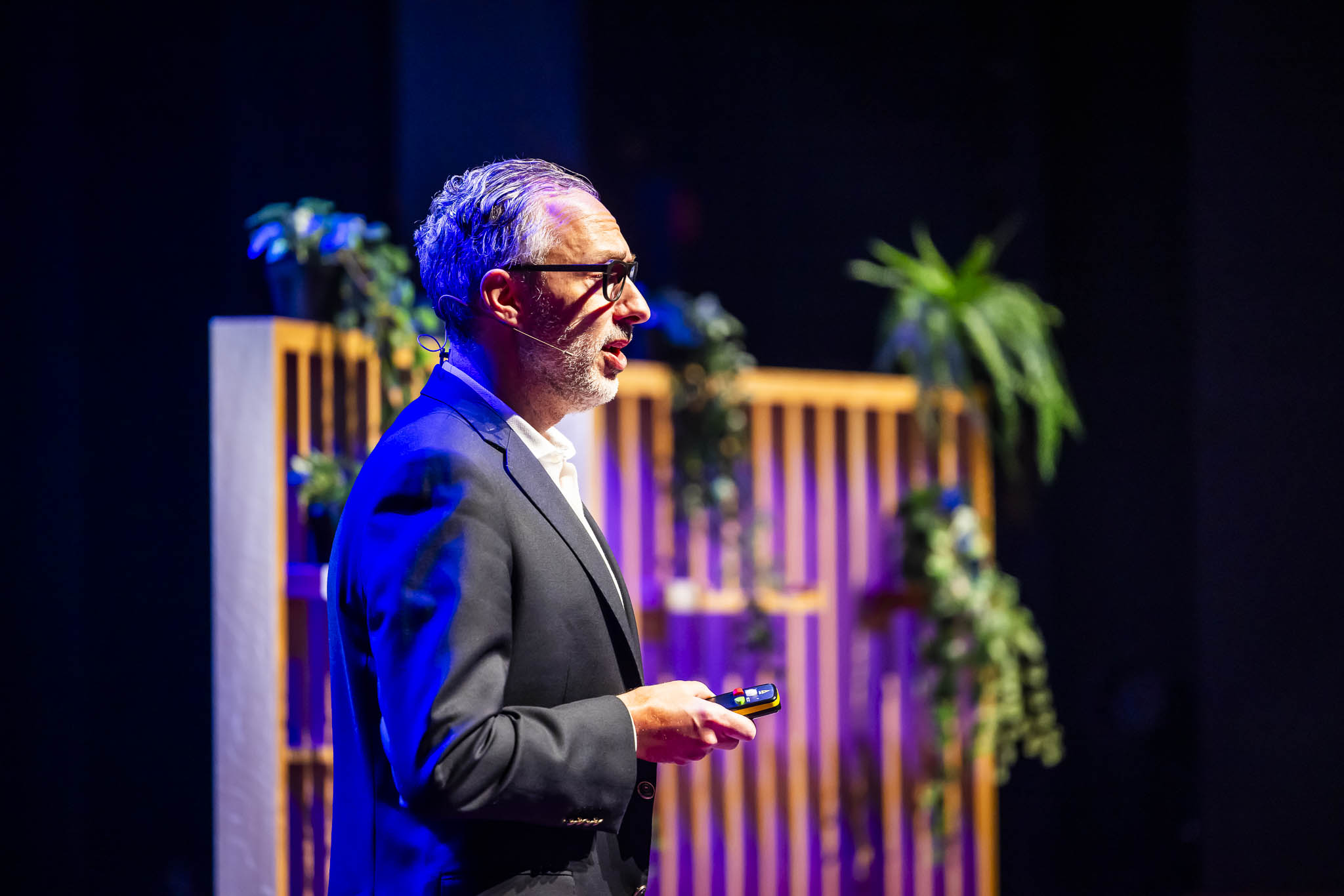
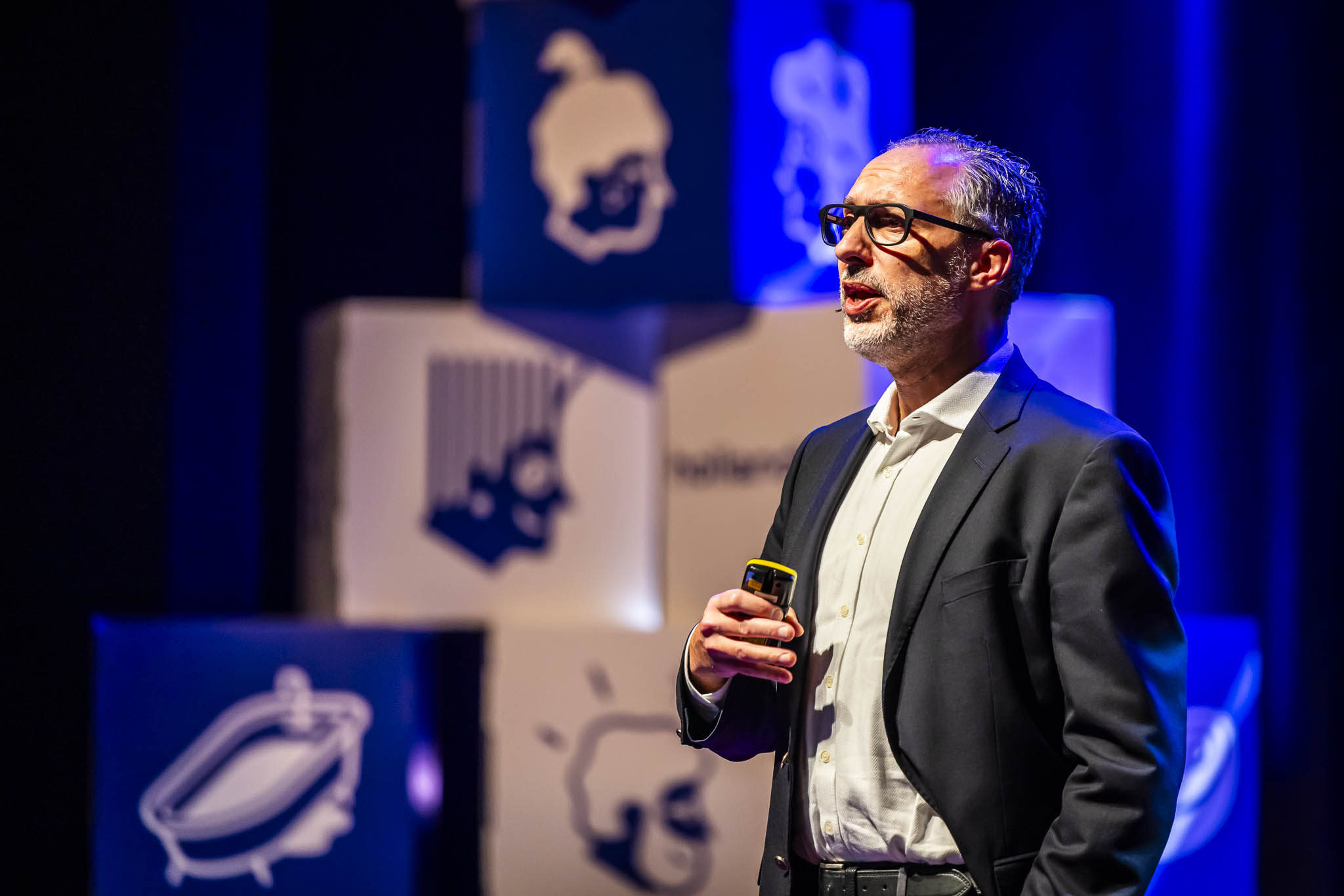
In his keynote, Niels Emmerich (Vice President, Global Head Search & Evaluation, AbbVie) offered a candid perspective on today’s global innovation landscape. With the US as the largest market, China rapidly accelerating development, and Europe in transition, competitiveness increasingly depends on speed, scale and collaboration. Clinical trials running significantly faster elsewhere are not just a statistic; they influence where investment decisions are made and how quickly patients gain access to new therapies.

His message resonated widely: a strong and predictable investment climate, combined with effective public-private partnerships, is essential for both start-ups and established companies to thrive. Innovation only matters when it reaches patients, and that requires alignment across industry, academia, healthcare and government.

From breakthrough ideas to real-world impact

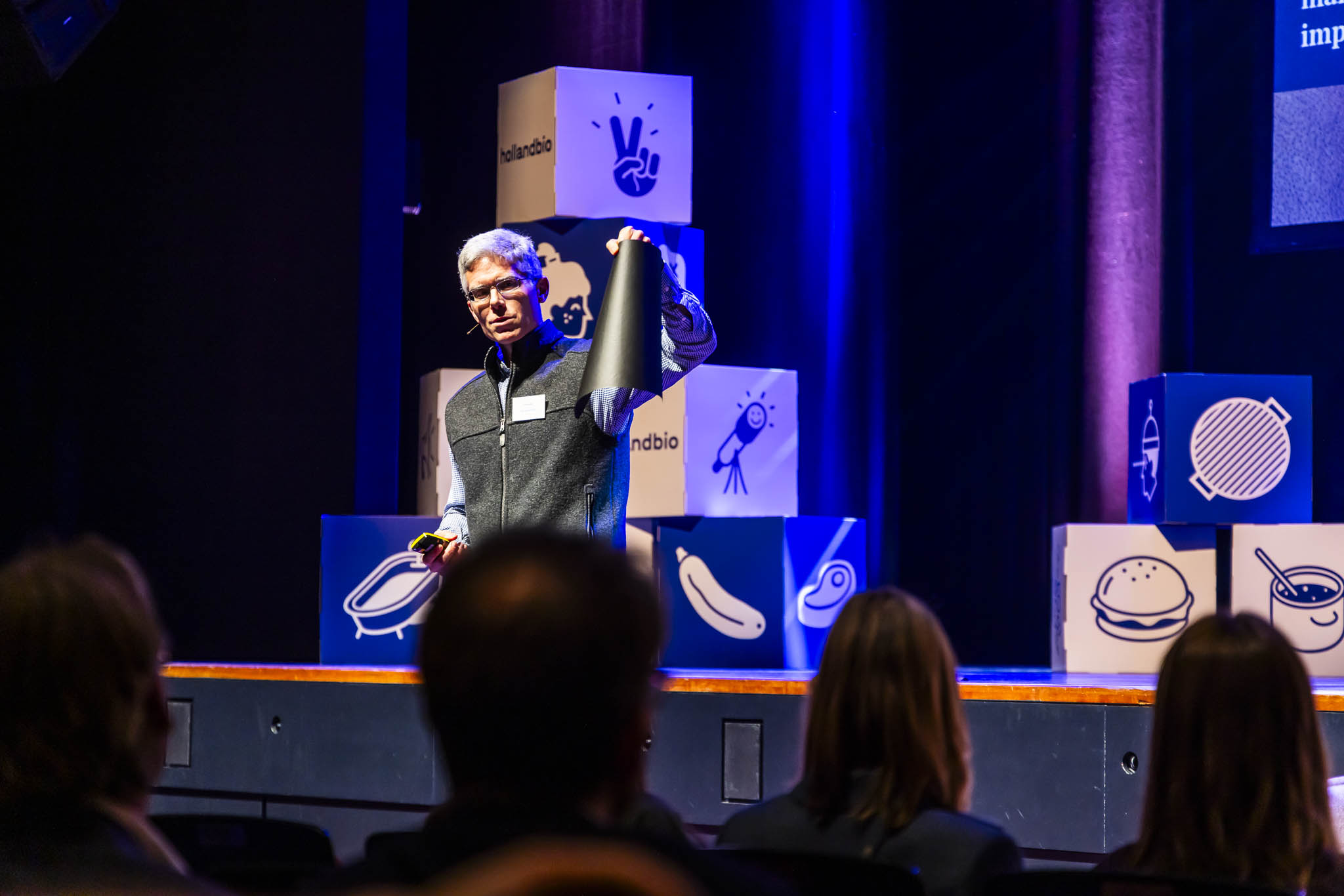
That need for alignment returned throughout the programme. Michael Newton (CEO of Qorium) inspired the audience with the story behind animal-free leather, showing how biology can open up entirely new industries. At the same time, his message was pragmatic: without regulatory clarity, partners and shared commitment, even the most promising innovations will struggle to scale.

After the keynotes, our special guest Greg Shapiro (aka the American Netherlander) took the stage and connected geopolitics to everyday business decisions and what it means to be Dutch.

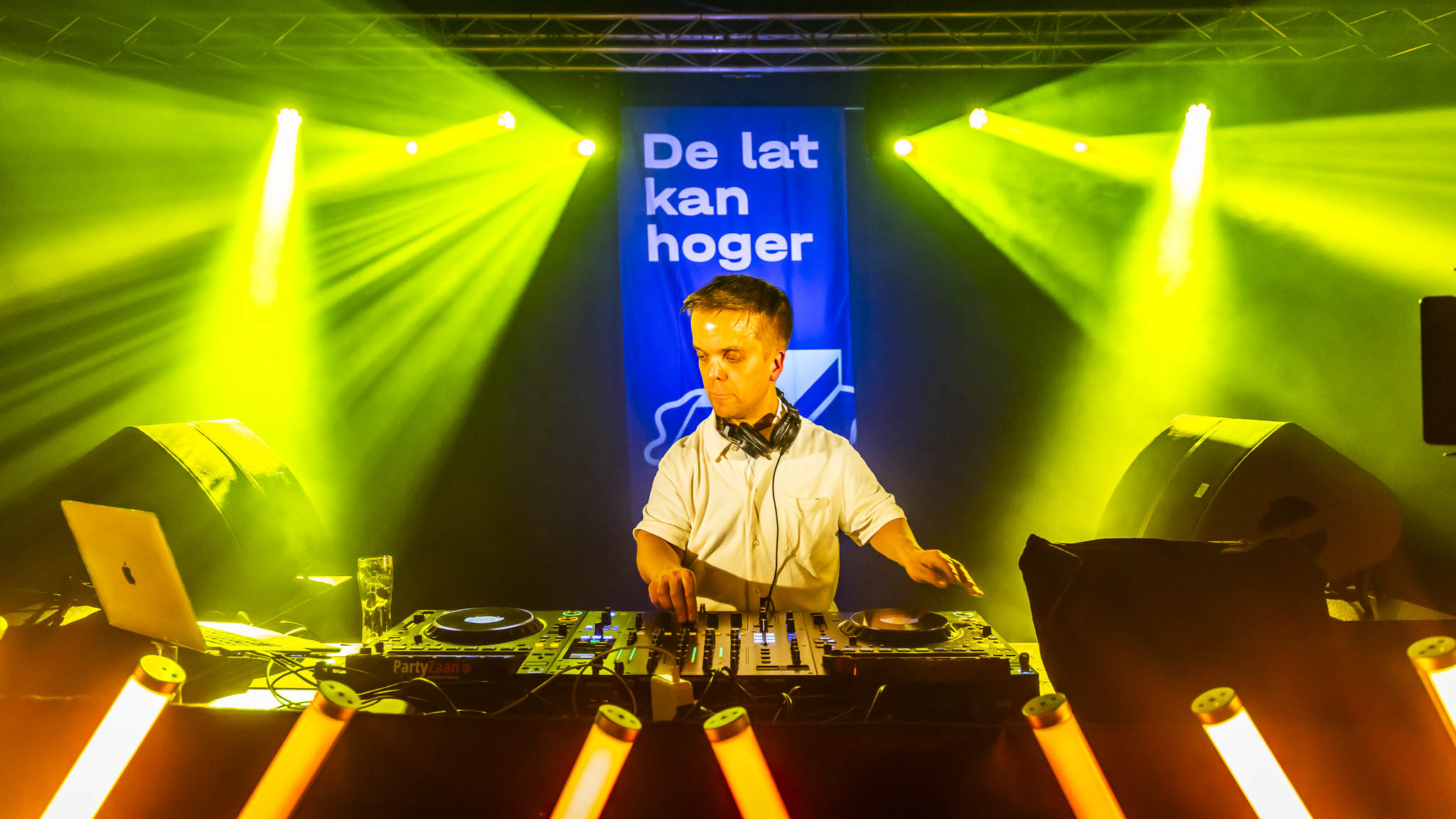
Thank you to everyone who joined, contributed and helped make this Year Event one to remember. And of course, a special thanks to Thibault Krommenhoek for closing the day with positive vibes with his phenomenal DJ set!

← #nieuws

Actieagenda’s Nationale Technologiestrategie gelanceerd 

, ,

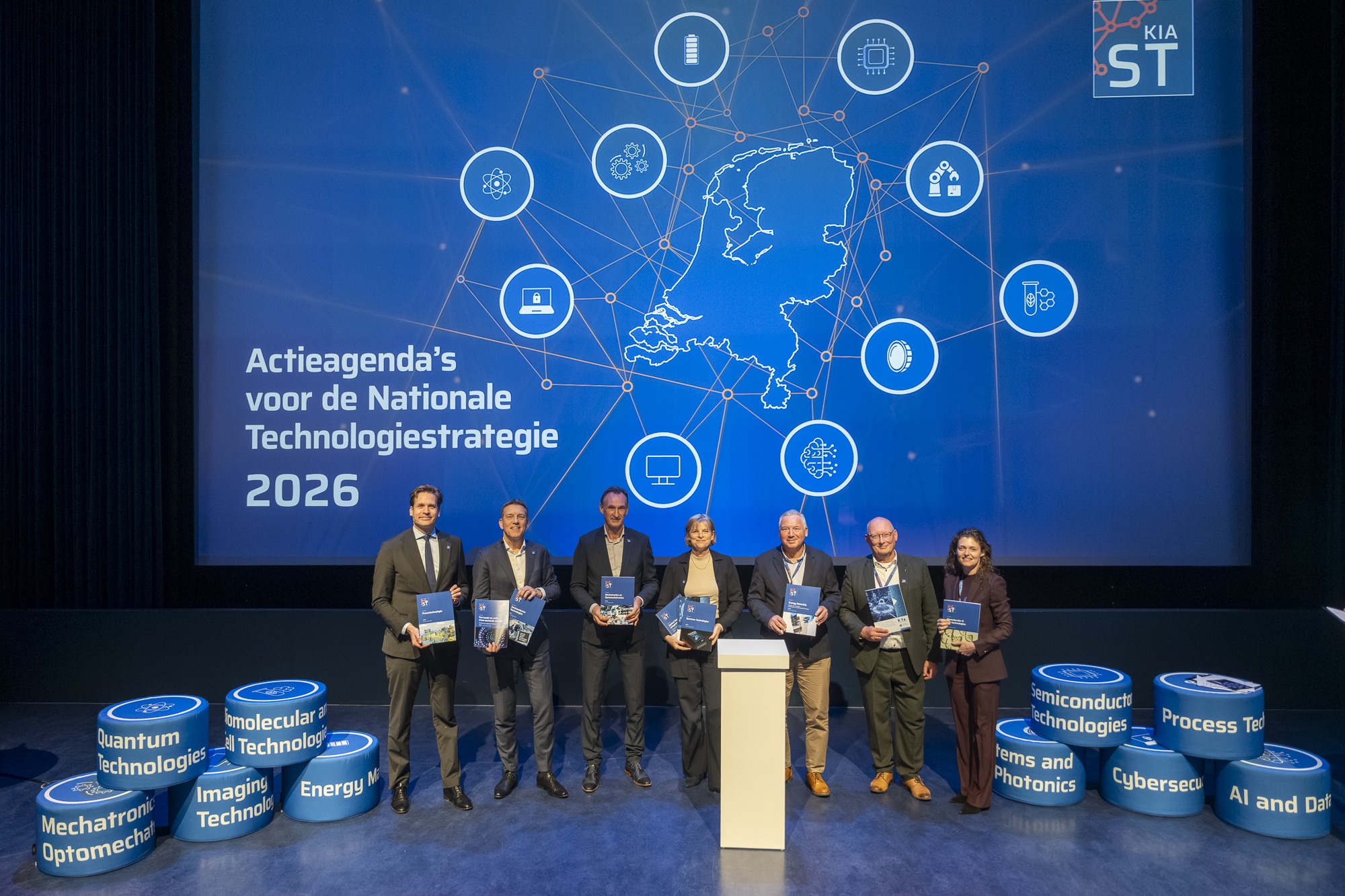
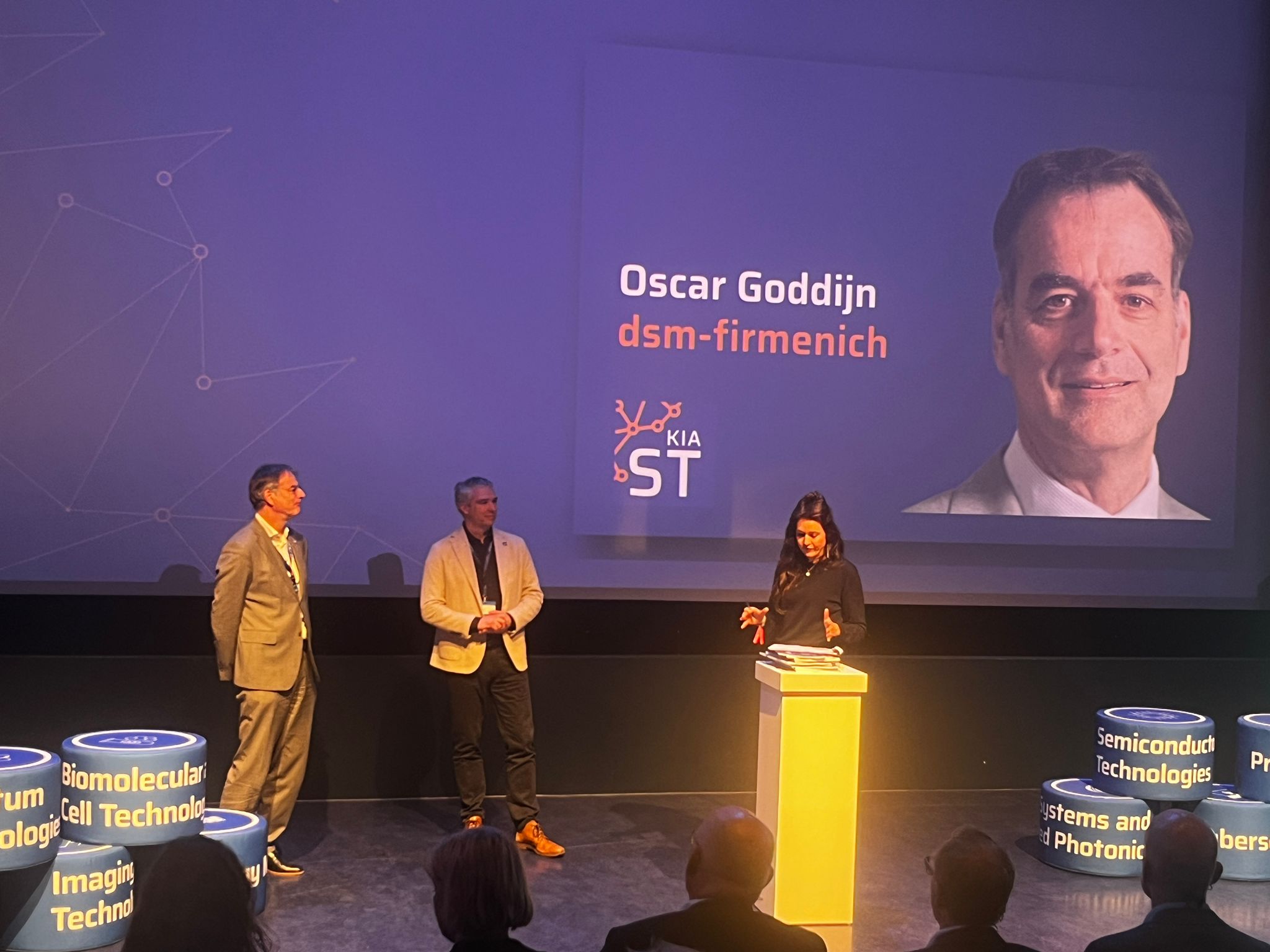
Afgelopen maandag presenteerde de Kennis- en Innovatieagenda Sleuteltechnologieën officieel de tien actieagenda’s voor de Nationale Technologiestrategie (NTS). Hollandbio leverde een grote bijdrage aan de totstandkoming van de actieagenda “Biomolecular & Cell Technologies” (lees: biotech), die ervoor moet zorgen dat Nederland niet alleen technologisch tot de wereldtop behoort, maar dat biotech vindingen bovendien zo snel en goed mogelijk hun weg vinden van lab naar maatschappij. Want alleen dan kan biotech optimaal bijdragen aan prangende maatschappelijke opgaven en aan het verdienvermogen van Nederland.

Begin 2024 koos het ministerie van Economische Zaken (EZ) in de Nationale Technologiestrategie (NTS) voor tien strategische technologieën met grote waarde voor de toekomst van Nederland door hun bijdrage aan maatschappelijke opgaven én het nationale verdienvermogen, waaronder Biomolecular & Cell Technologies (B&CT, lees: biotech). Afgelopen maandag kreeg die keuze een vervolg met de officiële overhandiging van tien actieagenda’s aan minister Karremans, die samen een nationale investeringsbeweging vormen van 53 innovatieprogramma’s en ruim €14 miljard aan publiek-private samenwerking.

Met de actieagenda B&CT zet Nederland in op het beter benutten van baanbrekende technologieën voor gezondheid, duurzaamheid en voeding. Van lab naar leven, van idee naar impact: technologische doorbraken hebben pas waarde als ze daadwerkelijk worden toegepast. Nederland beschikt over een sterke kennisbasis en een goed gevulde innovatietrechter, maar de route van onderzoek naar markt is lang terwijl de internationale concurrentie versnelt. Om te voorkomen dat innovaties wegvloeien naar het buitenland is gerichte implementatie nodig. Door voort te bouwen op bestaande sterktes, met heldere spelregels en samenwerking tussen overheid, wetenschap, bedrijfsleven en maatschappelijke organisaties, worden innovaties tastbaar én economisch waardevol.

Niet technologieontwikkeling, maar opschaling en markttoegang zijn de komende tien jaar het kantelpunt, zo stelt de actieagenda B&CT. Daarom zet de actieagenda in op vijf programma’s die structurele knelpunten in opschaling en markttoegang van biotech innovaties aanpakken:

  • Breeding accelerator: gericht op de inzet van AI en digitalisering om innovatieve veredeling een boost te geven. Snellere introductie van nieuwe gewassen betekent een concurrentievoordeel in toekomstbestendige voedselproductie.
  • Ferm-Bridge NL: gericht op de bouw van een commerciële demonstratiefaciliteit voor industriële fermentatie. Marktwaardige eerste producties zijn cruciaal voor opschaling en vormen de springplank voor nieuwe marktleiders in klimaatvriendelijk voedsel.
  • Zero Emission Biomanufacturing (ZEB): gericht op het vergroten van de beschikbaarheid van duurzame reststromen en het verminderen van de huidige afhankelijkheid van suikers als grondstof voor bioproductie – een van de grootste bottlenecks voor industriële biotechbedrijven die willen opschalen.
  • Samen gezond & sneller beter: gericht op hervorming van het zorgsysteem, zodat innovatieve behandelingen en diagnostiek de patiënt kunnen bereiken.
  • Organ-on-a-chip: gericht op het versterken van het Nederlandse Organ-on-a-Chip-ecosysteem, zodat koplopers kunnen opschalen naar industriële, reproduceerbare humane ziektemodellen.

← #nieuws

Hollandbio aan tafel bij Minister Karremans: gas erop voor biotech, maar rem op de farmaciebrief

,

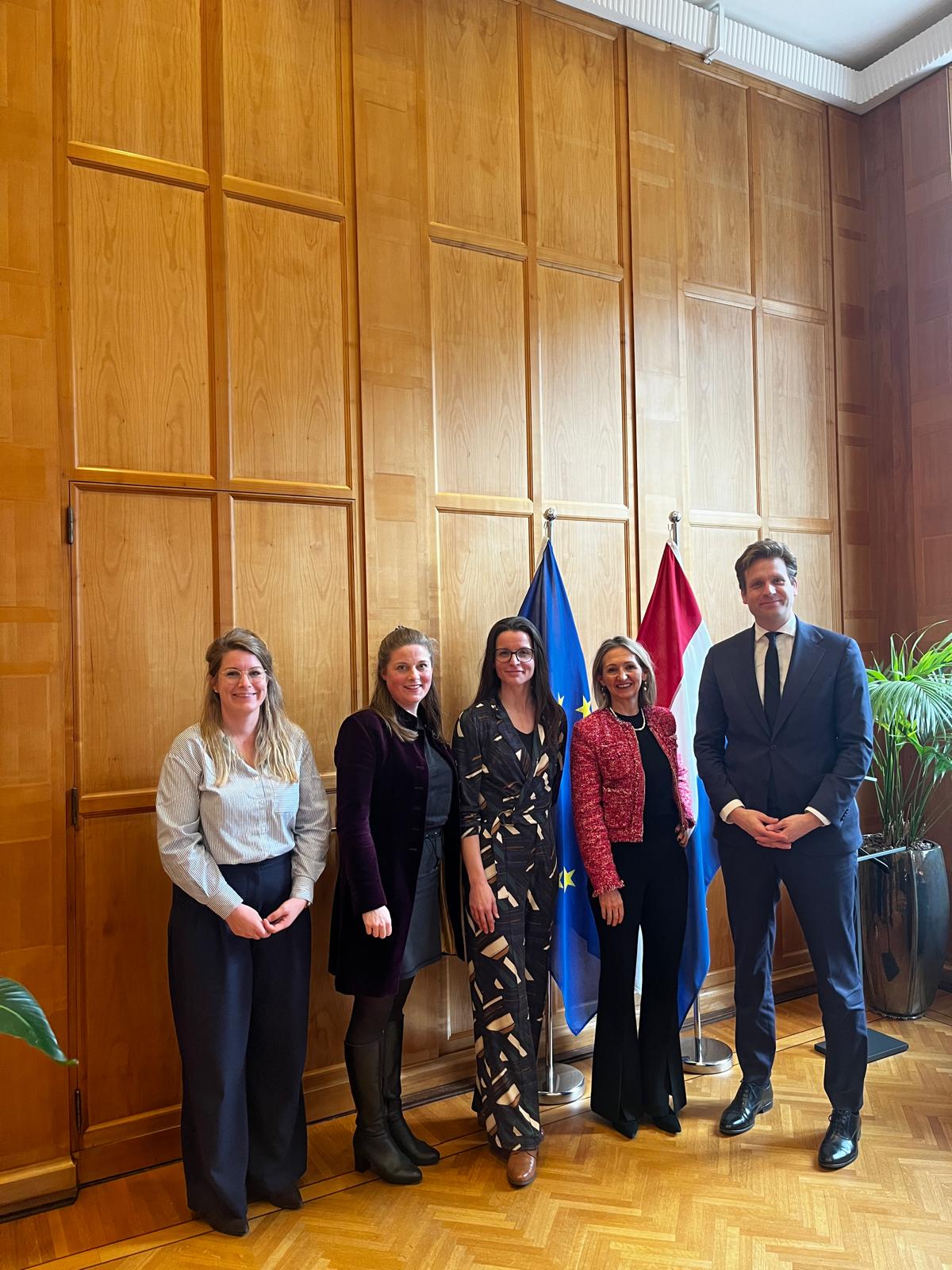
Afgelopen week was hollandbio te gast bij minister Karremans van Economische Zaken. Aanleiding was de afschaffing van de farmaciebrief binnen de WBSO, een onfortuinlijk besluit waarover hollandbio een maar liefst 129 keer ondertekende brandbrief stuurde. Want hoewel het ministerie zich vol wil inzetten op het succes van de Nederlandse biotech sector, zet dit specifieke besluit het toch al kwetsbare Nederlandse klimaat voor klinisch onderzoek verder onder druk. Een typisch geval van gas geven en remmen tegelijk, vindt hollandbio. Tijdens het constructieve gesprek toonde Minister Karremans begrip voor de sector standpunt, al zag hij geen ruimte het besluit terug te draaien. Hollandbio verwacht dat het ministerie van EZ en RVO de omvang en de impact van de farmaciebrief onderschatten. Daarom spraken we af gezamenlijk de impact van de maatregel te monitoren, waarbij wij bij voorkeur de effecten ook vooraf beter in kaart brengen zodat tijdige bijsturing mogelijk is.

Brandbrief

Nederland is groot geworden door te doen. Door kennis en samenwerking zijn we al jaren een toplocatie voor biotech en klinisch onderzoek. Toch besloot het Ministerie van Economische Zaken om de farmaciebrief – een toelichting binnen de Wet Bevordering Speur- en Ontwikkelingswerk (WBSO) die bepaalt voor welke activiteiten van Contract Research Organisations (CRO’s) fiscale innovatieondersteuning geldt – per 2027 af te schaffen. Maar liefst 129 mensen uit het hele Nederlandse biotech-ecosysteem ondertekenden daarop hollandbio’s brandbrief, waarmee we een krachtig signaal afgaven van brede zorg over de gevolgen van dit besluit voor onze innovatiekracht.

Nederland maakt werk van biotech

Wat hollandbio betreft staat de afschaffing van de farmaciebrief haaks op de ambitie van het kabinet om in 2040 een wereldwijde koppositie te hebben als het gaat om onderzoek, ontwikkeling én implementatie van biotech innovaties, zoals vastgelegd in de integrale visie biotechnologie. Ook binnen het ministerie van Economische Zaken zelf staat biotech hoog op de agenda: de sector is een speerpunt binnen het industriebeleid, de nationale technologiestrategie én het recente advies van oud-ASML topman Peter Wennink. Die ambities vragen erom dat beleidskeuzes die ons ecosysteem raken vooraf goed worden overwogen.

Voorkomen is beter dan genezen

Tijdens het constructieve gesprek met Minister Karremans lichtte hollandbio’s Annemiek de zorgen van de sector nader toe. Ze vroeg de bewindsman het besluit ofwel te heroverwegen, ofwel te zorgen voor een alternatieve borging van CRO-activiteiten binnen de WBSO. Helaas bleek daar geen ruimte voor.

Hollandbio ziet dat de omvang van de negatieve effecten op bedrijven, kennisinstellingen en het klinisch onderzoeksklimaat groter zijn dan het ministerie van EZ en RVO nu schetsen. Daarom zetten we, naast dat we de impact gezamenlijk nauwlettend monitoren, erop in dat we de effecten van het afschaffen van de farmaciebrief vooraf beter in beeld krijgen zodat tijdige bijsturing mogelijk blijft, naast dat we de impact gezamenlijk nauwlettend monitoren.

Gelukkig liet de minister weten de noodzaak tot het sturen van brandbrieven in de toekomst wel te willen helpen voorkomen. Hollandbio’s aanbod om meer structurele samenwerking vorm te geven tussen het ministerie en het biotech bedrijfsleven kon daarbij op instemming van de minister rekenen. Die uitgestoken hand nemen wij natuurlijk maar wat graag aan!

← #nieuws

Hollandbio welcomes Rezon Bio as new member

Hollandbio connects, represents, and supports the Dutch life science sector. We are very proud that we already represent 270 companies: from start-ups, small and medium-sized companies to large companies, active in health, food, or the biobased economy. Today, we are happy to introduce Rezon Bio, a science-driven contract development and manufacturing organization (CDMO) specializing in the development and manufacturing of mammalian biologics. Headquartered in Poland, Rezon Bio offers fully integrated solutions across the biologic’s lifecycle, from cell line development and process optimization to commercial drug substance manufacturing and drug product development. A few words from the team of Rezon Bio:

“Building on the strong legacy of Polpharma Biologics, Rezon Bio combines state-of-the-art facilities with world-class scientific and technical teams and a proven track record of regulatory and commercial success. Our approach is grounded in analytical excellence, robust quality systems, and close collaboration with our partners, enabling efficient scale-up and reliable delivery without compromising on quality or compliance. 

At Rezon Bio, we are committed to creating long-term value through innovation, transparency, and partnership. By working closely with biotech and pharmaceutical companies, we support the development and manufacture of high-quality biologics that ultimately serve patients worldwide. 

We decided to join hollandbio to actively engage with the Dutch life sciences ecosystem, connect and exchange knowledge with peers across the biotech industry. We look forward to collaborating with fellow members, sharing expertise, and supporting initiatives that strengthen the biotechnology sector in the Netherlands and beyond.”

← #nieuws

Hollandbio’s take on the EU Biotech Act Part I

, , , , , ,

Just before the holidays, the European Commission unveiled Part I of the EU Biotech Act, a long‑awaited signal that Europe aims to unlock biotech’s full potential. In recent weeks, we worked closely with our members to analyse the full proposal and share our recommendations with the Dutch government as it prepares its official response (the BNC fiche). Hollandbio is hopeful: Part I clearly holds promise for our sector. However, we are not there yet. Without proper EU and national resourcing, clearer choices and a broader scope, it still risks falling short of being the breakthrough Europe needs. In our overall position and more detailed assessment we explain where Europe takes meaningful steps forward, where it falls short, and what must be sharpened to enable a framework that truly supports biotech from early R&D through to market uptake. Do you see opportunities, gaps or must-haves for Part I as well as Part II (expected Q3 2026)? We’d love to hear from you as we continue engaging with ministries and stakeholders to secure the best possible conditions for biotech to scale and thrive in Europe!

← #nieuws

Hollandbio welcomes NexduX as new member

Hollandbio connects, represents, and supports the Dutch life science sector. We are very proud to represent over 270 companies: from start-ups, small and medium-sized companies to large companies, active in health, food, or the biobased economy. Today, we are happy to introduce NexduX. Founded in the Netherlands in 2024, NexduX supports Life Sciences organizations in navigating complex change across start-up, scale-up, and commercial manufacturing environments. NexduX provides next-generation leadership, IT, and digital solutions that integrate people, systems, and processes to make organizations smarter, safer, and scalable.

With deep experience in regulated Life Sciences manufacturing, NexduX works closely with executive teams, operations, quality, and technology (IT/OT) to deliver sustainable transformations. “Our approach combines strategic advisory, hands-on implementation, and interim leadership, ensuring that innovation is translated into real, compliant, and operational outcomes.

NexduX strongly believes in collaboration across the ecosystem. Innovation in Life Sciences does not happen in isolation, but through trusted partnerships between biotech companies, technology providers, regulators, and knowledge institutes. That belief is a key reason why NexduX is proud to join Hollandbio and contribute to strengthening the Dutch and European Life Sciences landscape.”

A few more words from NexduX

Who is NexduX?

“NexduX supports Life Sciences organizations through critical phases of growth and change, from early-stage scale-up to mature commercial manufacturing. We bring extensive experience in organizational leadership, digital manufacturing, IT and OT integration and quality and compliance systems in highly regulated environments.

Our work spans MES, QMS, ERP, laboratory and automation systems, cybersecurity, and digital infrastructure, always with a strong focus on compliance, operational excellence, and people. We are particularly experienced in greenfield and brownfield manufacturing setups, organizational build-up, and complex transformations where business, technology, and culture must evolve together.

At the core of NexduX is people leadership. We believe sustainable performance is achieved by empowering teams, creating clarity, and supporting people through change. This human-centered approach is essential in Life Sciences, where innovation ultimately serves patients.”

What is the importance of the Netherlands to NexduX?

“The Netherlands plays a central role in NexduX. With its strong Life Sciences ecosystem, leading academic centers, innovative biotech companies, and mature manufacturing landscape, it is an ideal environment for innovation and collaboration.

NexduX actively supports Dutch and European Life Sciences organizations by bringing international experience, proven transformation frameworks, and pragmatic leadership. We are committed to contributing to a resilient, compliant, and future-proof Life Sciences sector in the Netherlands.”

Why is NexduX joining Hollandbio?

“We see Hollandbio as a key connector within the Life Sciences ecosystem. Hollandbio understands the challenges faced by start-ups, scale-ups, and established companies alike, particularly in areas such as innovation, regulation, access to technology, and sustainable growth.

By joining Hollandbio, NexduX aims to actively contribute knowledge, experience, and practical insights to the community. We look forward to collaborating with members, supporting innovation-driven organizations through change, and contributing to a strong, connected, and forward-looking Life Sciences ecosystem in the Netherlands.”

← #nieuws

Groeistrategie medische biotech overhandigd aan minister Bruijn in Leiden

, , , ,

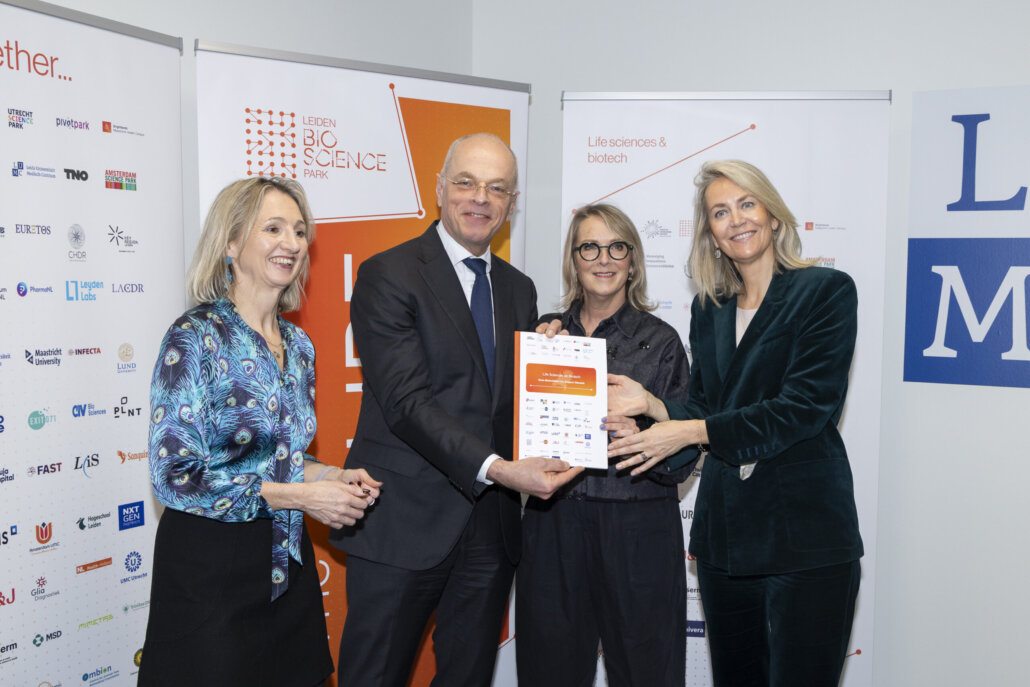
Vanmiddag nam minister Jan Anthonie Bruijn (Volksgezondheid, Welzijn en Sport) in Leiden, bij het LUMC, het rapport ‘Nederland in de voorhoede: rode biotech als sleutel tot wereldwijde concurrentiekracht; een groeistrategie voor economie, maatschappij en patiënt’ in ontvangst.

Het rapport kwam tot stand op verzoek van Peter Wennink, in het kader van de nationale investeringsagenda, en vormt de gezamenlijke inbreng van de Nederlandse rode biotechsector. Leiden Bio Science Park werd door Wennink gevraagd het voortouw te nemen bij de totstandkoming van het plan en deed dat samen met hollandbio, in nauwe samenwerking met partners in Leiden én met de andere Nederlandse science parks, waaronder Groningen, Amsterdam, Utrecht, Oss en Maastricht en de Vereniging Innovatieve Geneesmiddelen.

Het rapport bevat een concrete strategie en aanpak om medische biotechnologie in Nederland versneld te laten groeien. Rode biotech maakt innovaties mogelijk die leiden tot snellere en betere diagnoses en tot gepersonaliseerde, effectievere behandelingen. Dat betekent betere zorg, betere levens voor patiënten en een duurzame bijdrage aan een toekomstbestendig zorgstelsel en een sterke economie. Juist op het snijvlak van gezondheid, maatschappij en verdienvermogen ligt een unieke kans voor Nederland in een sterk internationale markt.

Nederland beschikt over sterke clusters, hoogwaardige infrastructuur en internationaal erkende kennisinstellingen. Om dit potentieel te benutten, zijn gezamenlijke keuzes nodig: betere toegang tot kapitaal en talent, veilige en gedeelde toegang tot (bio)data, snellere en voorspelbare procedures voor vergunningen en klinisch onderzoek, en voldoende ruimte voor onderzoek, opschaling en productie.

Minister Bruijn (VWS): “Biotechnologie brengt ons geneesmiddelen die echt baanbrekend zijn. Het doorontwikkelen van deze sector is dan ook belangrijk voor Nederland en niet te vergeten de patiënt. Ik zet mij daar actief voor in en zal onder meer onze belangen in Europa behartigen om te komen tot goede wetgeving via de Europese BioTech Act. Ik dank alle betrokkenen die hebben gewerkt aan de totstandkoming van dit rapport. Ik ga het met veel aandacht lezen.”

De sector stelt in het rapport onder meer de oprichting voor van een nationaal, politiek- en ministerie-overstijgend programma: Biotech Nexus. Dit programma moet kennisvalorisatie versnellen, bedrijven ondersteunen bij opschaling en gezamenlijk werken aan betere infrastructuur en snellere procedures.

“Rode biotech stelt ons in staat om ziekten eerder en nauwkeuriger te diagnosticeren en patiënten gerichter en effectiever te behandelen,” zegt Esther Peters, directeur van Leiden Bio Science Park. “Dat leidt tot betere zorg en betere levens. We willen als sector, samen met het ministerie en andere betrokken partijen, nu al aan de slag om te kijken wat er binnen de bestaande kaders mogelijk is om innovaties sneller bij de patiënt te brengen. Door als science parks, bedrijven, kennisinstellingen en overheid samen op te trekken, benutten we onze gezamenlijke kracht om dit mogelijk te maken.”

“Nederland is groot geworden door te doen, niet door af te wachten,” zegt Annemiek Verkamman, directeur van hollandbio. “Als we vandaag durven te investeren in innovatie en tegelijkertijd bouwen aan een zorgsysteem dat ook morgen werkt, is dat beter voor patiënten én de BV Nederland.”

Hiervoor is consistent en stimulerend overheidsbeleid over departementen heen nodig, met één duidelijke koers in plaats van tegelijk remmen en gasgeven,’ zegt Carla Vos, directeur van de Vereniging Innovatieve Geneesmiddelen. ‘Ik hoop dat de oproep van Peter Wennink leidt tot beleid dat Nederland aantrekkelijker maakt voor het ontwikkelen, produceren en lanceren van nieuwe producten, zodat zowel de economie als de zorg kan profiteren van nieuwe therapieën.’

← #nieuws

Does the EU Biotech Act Part I deliver on its promises?  

,

Yesterday, the European Commission unveiled Part I of the EU Biotech Act, a crucial step to boost Europe’s biotech innovation ecosystem. This first chapter focuses mostly on health, incentivising companies to conduct research and production within Europe, accelerate clinical trials authorisations across countries, and fast-track the development of cutting-edge new therapies using AI, data and regulatory sandboxes. And it proposes amendments to several EU regulations, including the general food law and GMO rules. As we take a closer look at the act during the Christmas holidays, we warmly invite you to share your insights and feedback with us. Your input will help us sharpen our asks and position, enabling us to best support the Dutch government in shaping its national position and ensuring the right steps are taken to strengthen biotech competitiveness in Europe. Our key asks for bold action remain central in our efforts. In the coming days, we’ll assess how Part I measures up to these ambitions and what’s still needed to make Part II (expected in Q3 2026) even bolder and better.

← #nieuws

Hollandbio wraps up the year in style 

Together with our members, we made this year count for biotech. From the Dutch government-wide vision on biotech and approved tastings for innovative fermentation (yes, cheese without cows is getting closer!), to the European Biotech Act, and the EU’s approval of New Genomic Techniques (pest-resistant crops, here we go!), 2025 was packed with biotech bangers! As the year comes to an end, we’ve drawn the greatest hits up in a Wrapped. Think of it as our playlist of policy and innovation highlights. Check it out and sing along with us into 2026! A big thank you to our community for the energy, ideas and collaboration. Let’s keep biotech on repeat in 2026 – building a greener, healthier and more prosperous world together!