← #nieuws

Ready. Set. Go! Van ambitie naar actie met de uitvoeringsagenda biotech

, , ,

Hollandbio keek er al reikhalzend naar uit: vorige week stuurde het kabinet de Interdepartementale Uitvoeringsagenda Biotech naar de Tweede Kamer. Daarmee moet Nederland de stevige nationale kopgroepambitie waarmaken in onderzoek, ontwikkeling én implementatie van biotech innovaties. Hollandbio is blij met deze rollende agenda, die een stevig biotech anker is voor de vele lopende beleidstrajecten en -plannen die als doen hebben om prioritaire sectoren, waaronder biotech, te versterken.

De uitvoeringsagenda verbindt en stroomlijnt de biotech en life sciences ambities en plannen uit onder meer het industriebeleid, het 3% R&D Actieplan, de Nationale Technologie Strategie (NTS), het Wennink advies en de opdracht van de Taskforce Toekomstige Welvaart en Vestigingsklimaat (TWV). Op deze manier krijgt biotech, als strategische sleuteltechnologie, precies de plek waar het thuishoort: als innovatiemotor voor zowel verdienvermogen, veiligheid, strategische autonomie als maatschappelijke opgaven.

Met de uitvoeringsagenda biotech komt het kabinet tegemoet aan een belangrijke oproep van hollandbio: een integrale aanpak en structuur om de bijdrage van biotech gezamenlijk de gewenste kant op te sturen, en bovendien waar mogelijk te voorkomen dat tegelijkertijd op het gas- en het rempedaal wordt getrapt. Een mooie stap in de goede richting, en een sterk vertrekpunt voor de volgende fase: actie!

Wat positief stemt, is dat de agenda voortbouwt op bestaande initiatieven, zoals Biotech Booster, de programma’s van de NTS, Nexus en Food2040 en de aandacht voor biotech in nationale ontwikkelingen bestendigt, zoals via Invest-NL, de Nationale Investeringsinstelling (NII) en het Nationaal Agentschap voor Disruptieve Innovatie (NADI). Bovendien zet de agenda in op het benutten van Europees momentum, zoals IPCEI’s op het terrein van biotech en de diverse voorstellen uit bijvoorbeeld de Biotech Act, gericht op het verbeteren van toegang tot financiering voor biotech innovatie. Dat is verstandig. Nederland heeft al een krachtig fundament van kennis, ondernemerschap en publiek-private samenwerking. Opnieuw beginnen is dan ook lang niet altijd de beste aanpak, voortbouwen op excellentie, slim hervormen van wat beter kan, en het optimaal benutten van nieuwe kansen en momentum des te meer.  

Hollandbio ziet de in de agenda aangekondigde Biotech Board als essentieel: deze kan op basis van ruime expertise en ervaring in het bedrijfsleven, de overheid van gedegen advies voorzien over welke beleidsinterventies, acties en initiatieven voorzien in cruciale randvoorwaarden voor innovatie en ondernemerschap, en daarmee bijdragen aan het succes van de sector en Nederland als allround biotech koploper.

Ambitieus biotechbeleid kan simpelweg niet zonder de kennis van hen die dagelijks werken aan nieuwe therapieën, duurzame productieprocessen, alternatieve eiwitten, regeneratieve geneeskunde en innovatieve landbouwoplossingen. Zij weten waar kansen liggen, ervaren aan den lijve waar het systeem vastloopt en wat nodig is op de lange weg om innovaties daadwerkelijk naar markt en maatschappij te brengen. 

De agenda geeft hoop en dat is hard nodig ook. De Nederlandse biotech staat op een kantelpunt – het is nu of nooit voor succes van eigen bodem. Als we nu niet ingrijpen, end-to-end, van vroege vinding tot toegang tot de praktijk, raakt Nederland onherroepelijk haar positie kwijt, met in het kielzog ook de waardevolle bijdrage die onze biotech sector kan leveren aan onze gezamenlijke toekomst. Hollandbio staat, met alle biotech koplopers die we vertegenwoordigen, klaar om maximaal bij te dragen. Dus hop, handen uit de mouwen!

← #nieuws

Hollandbio welcomes Worldwide Clinical Trials as new member

Today, we are proud to welcome Worldwide Clinical Trials (Worldwide) as our new member. Worldwide is a global contract research organization (CRO) serving development-stage biopharmaceutical companies. With operations spanning more than 70 countries and a workforce of over 4,000 professionals, Worldwide’s therapeutically dedicated teams bring direct expertise in neuroscience, oncology, rare disease, and internal medicine – delivering flexible service models and global capability through a high-touch, relationship-led approach. Learn more: www.worldwide.com. “

“Worldwide Clinical Trials is proud to join hollandbio, an organization that connects, represents, and supports the Dutch life science sector. The CRO is honored to be part of a dynamic network of 270 companies – from innovative start-ups to established global organizations – advancing health, food, and the biobased economy. “Worldwide has a strong presence in the Netherlands and supports a robust portfolio of Dutch-based sponsors with their clinical development needs,” shared Gijsbert Veerman, Worldwide’sVice President, Early Phase Oncology – Europe. “We look forward to contributing to and collaborating within this vibrant community.”

← #nieuws

Dutch Biotech Event 2026 turns ambition into action

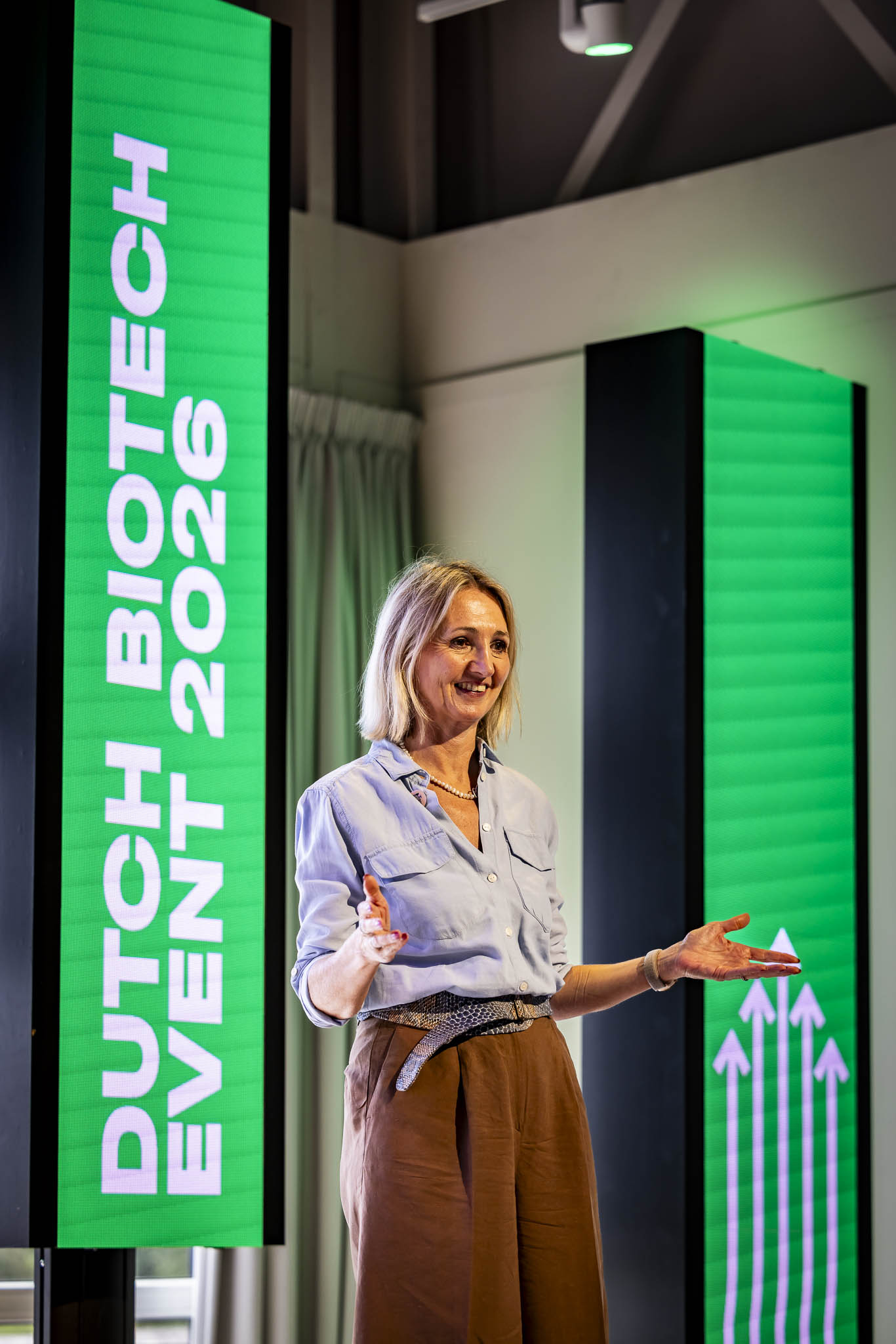
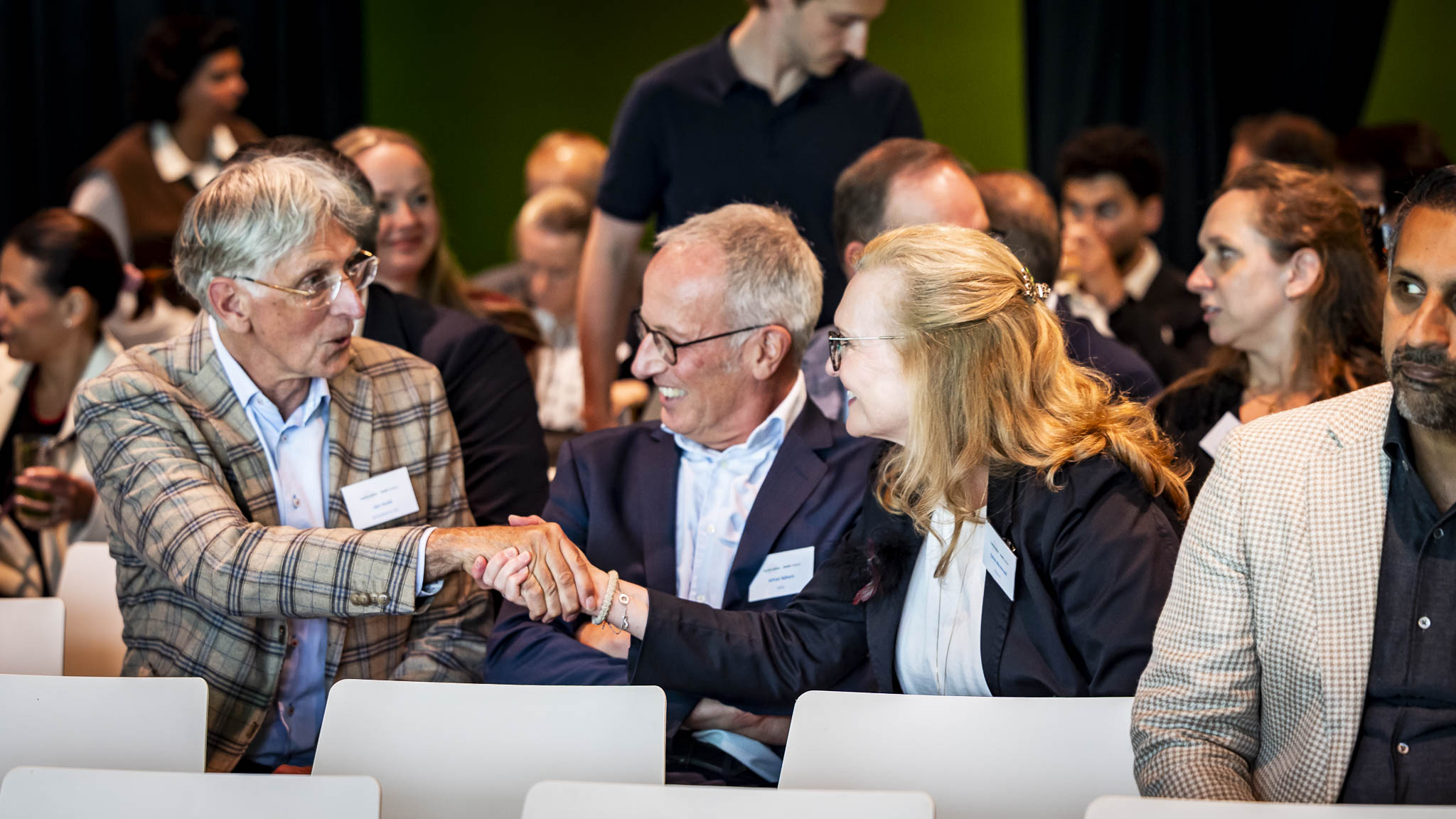
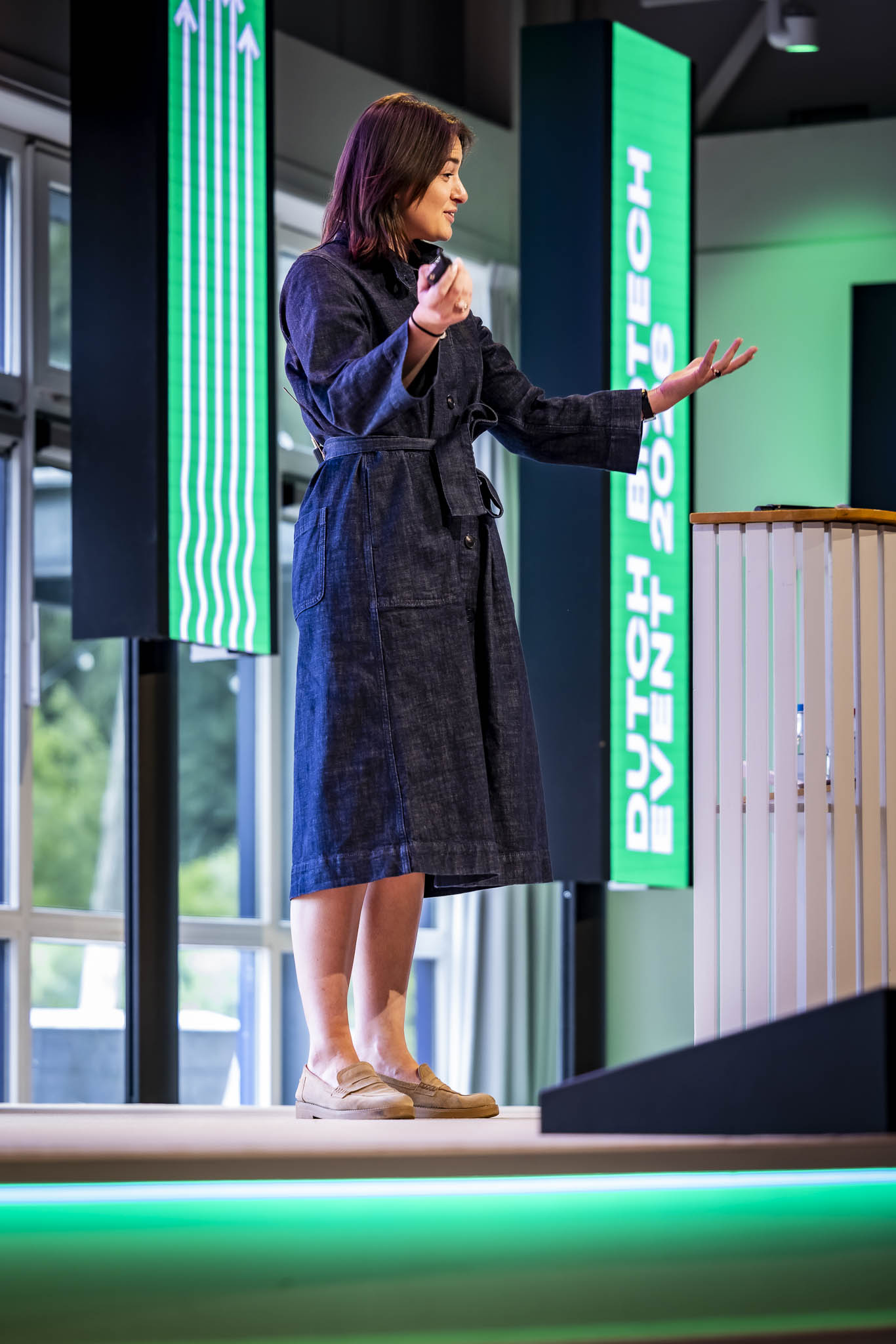
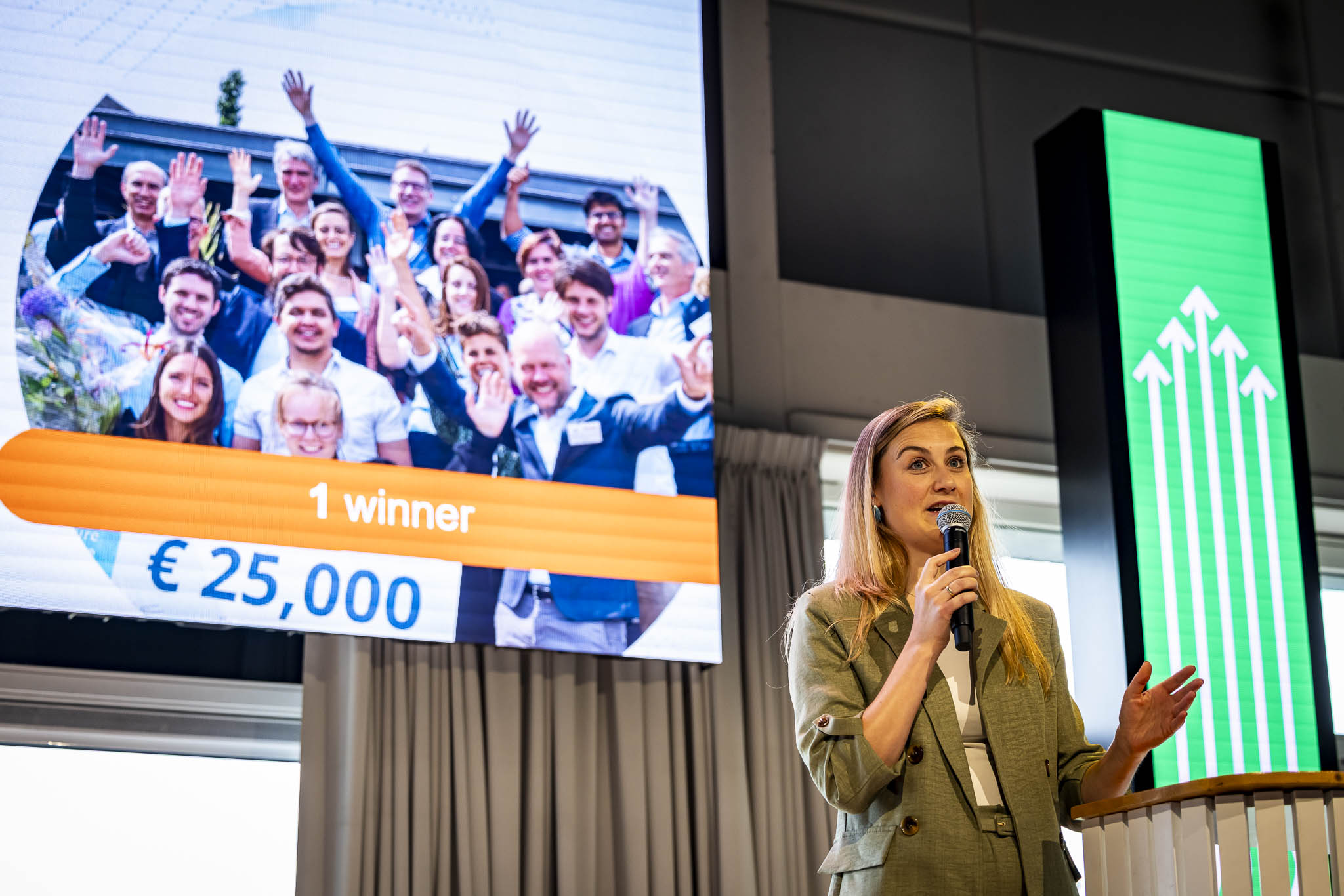
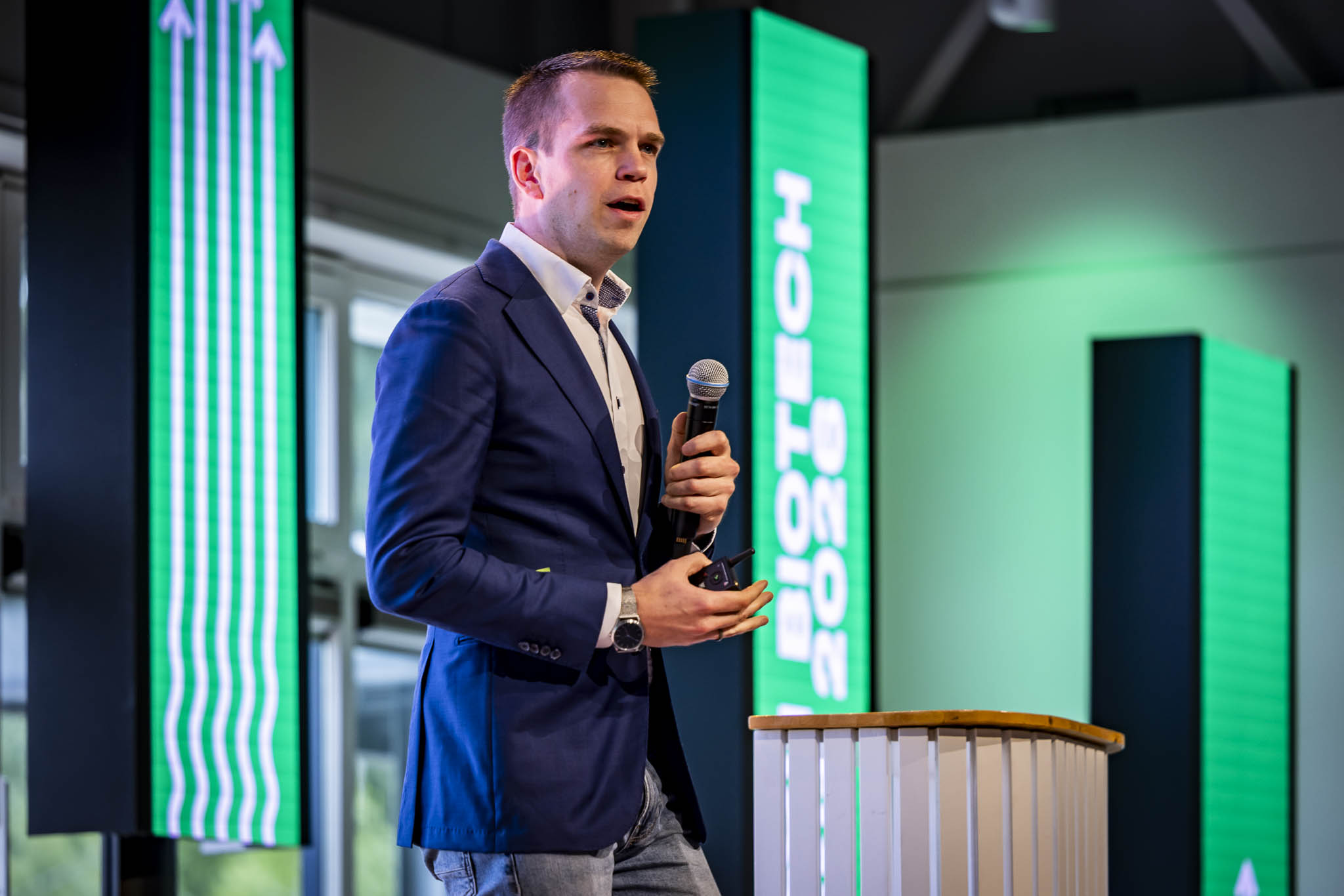
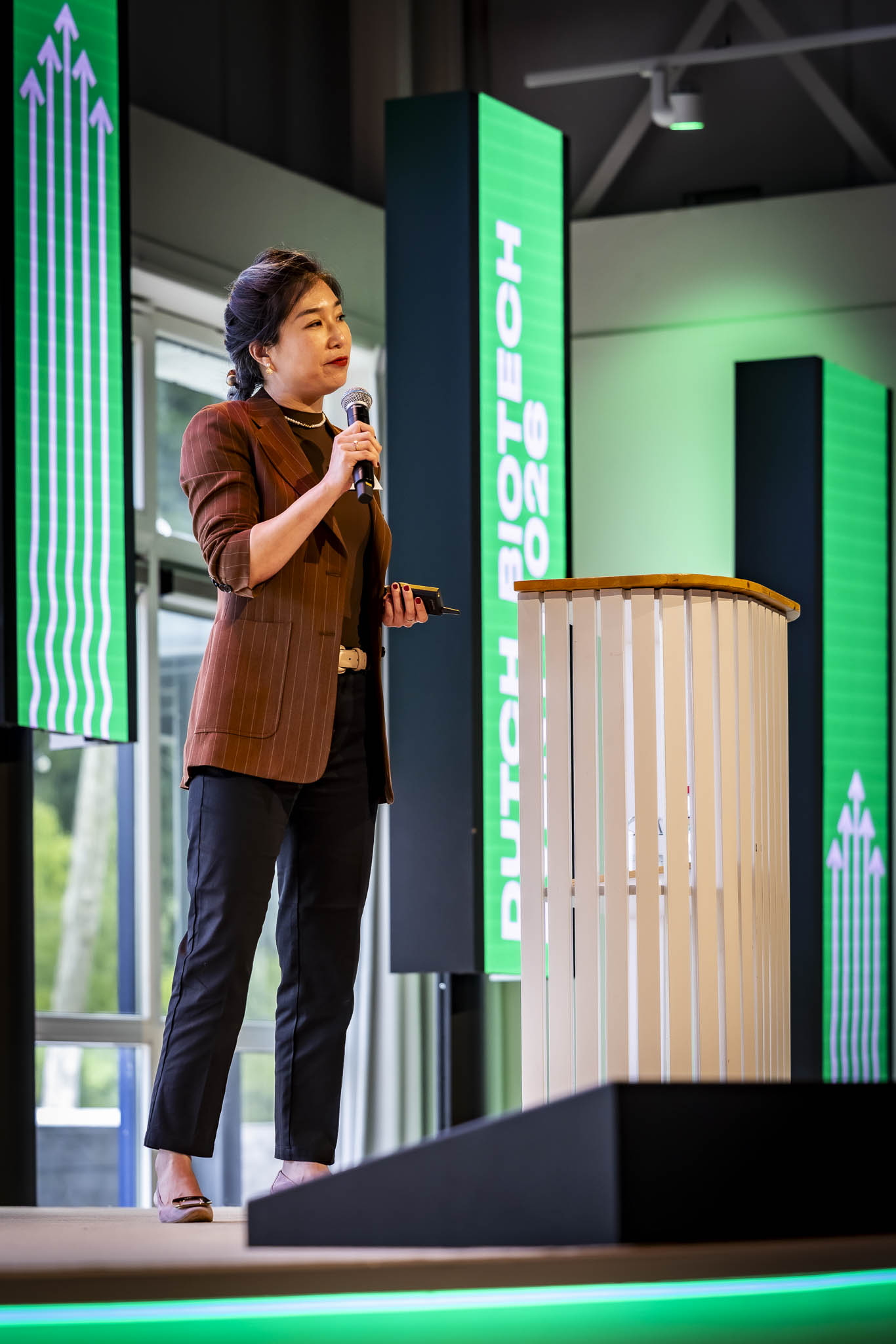
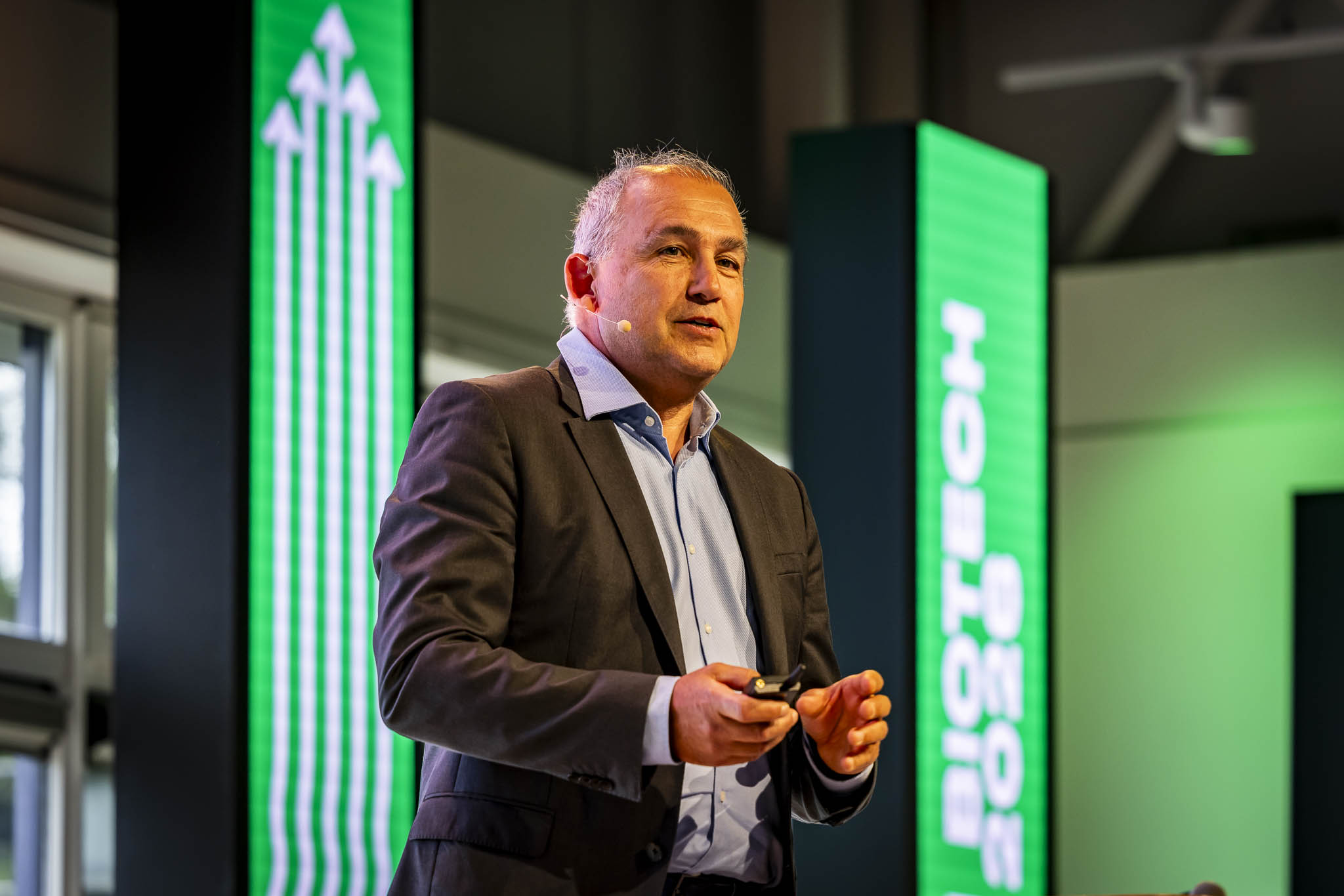
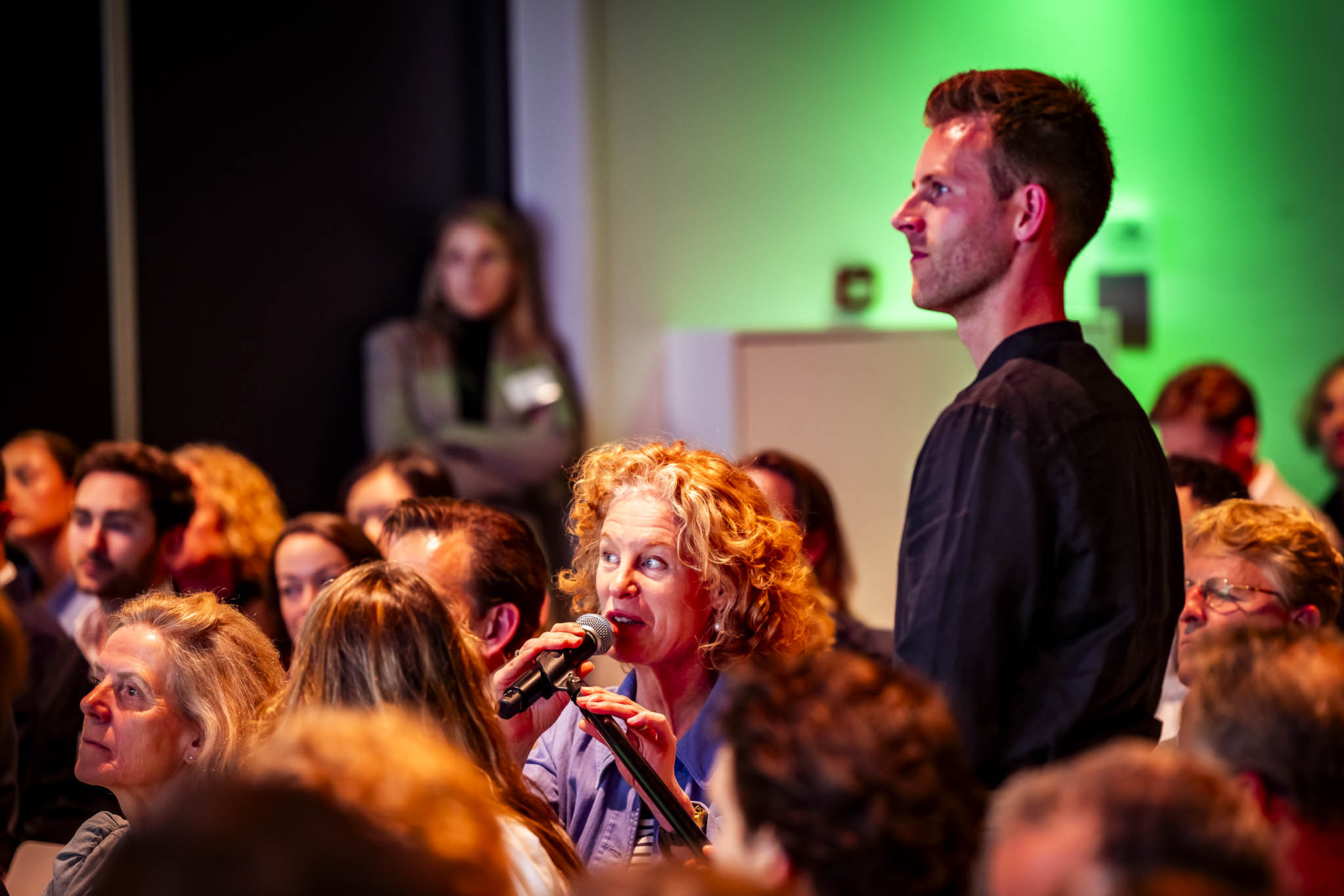
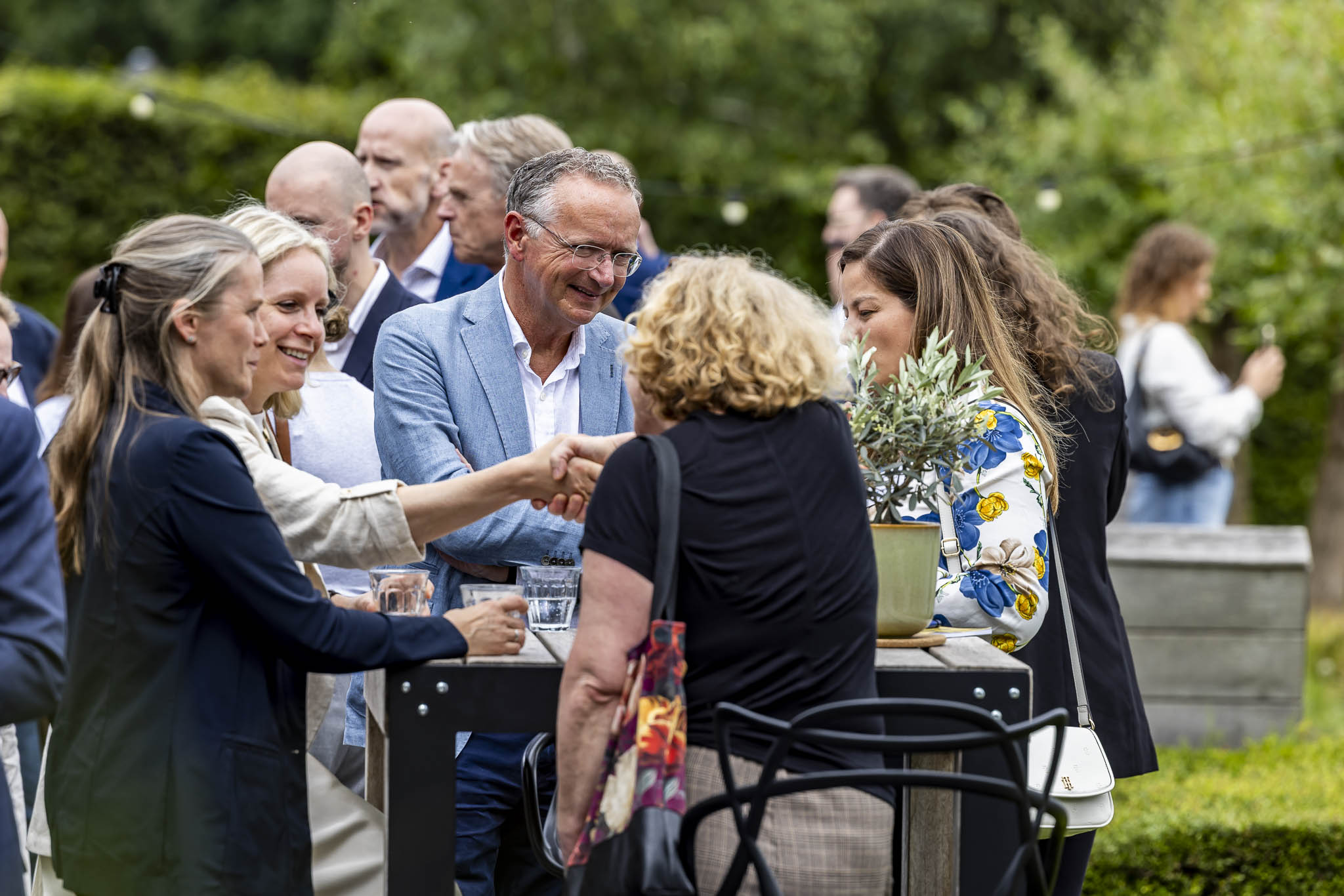
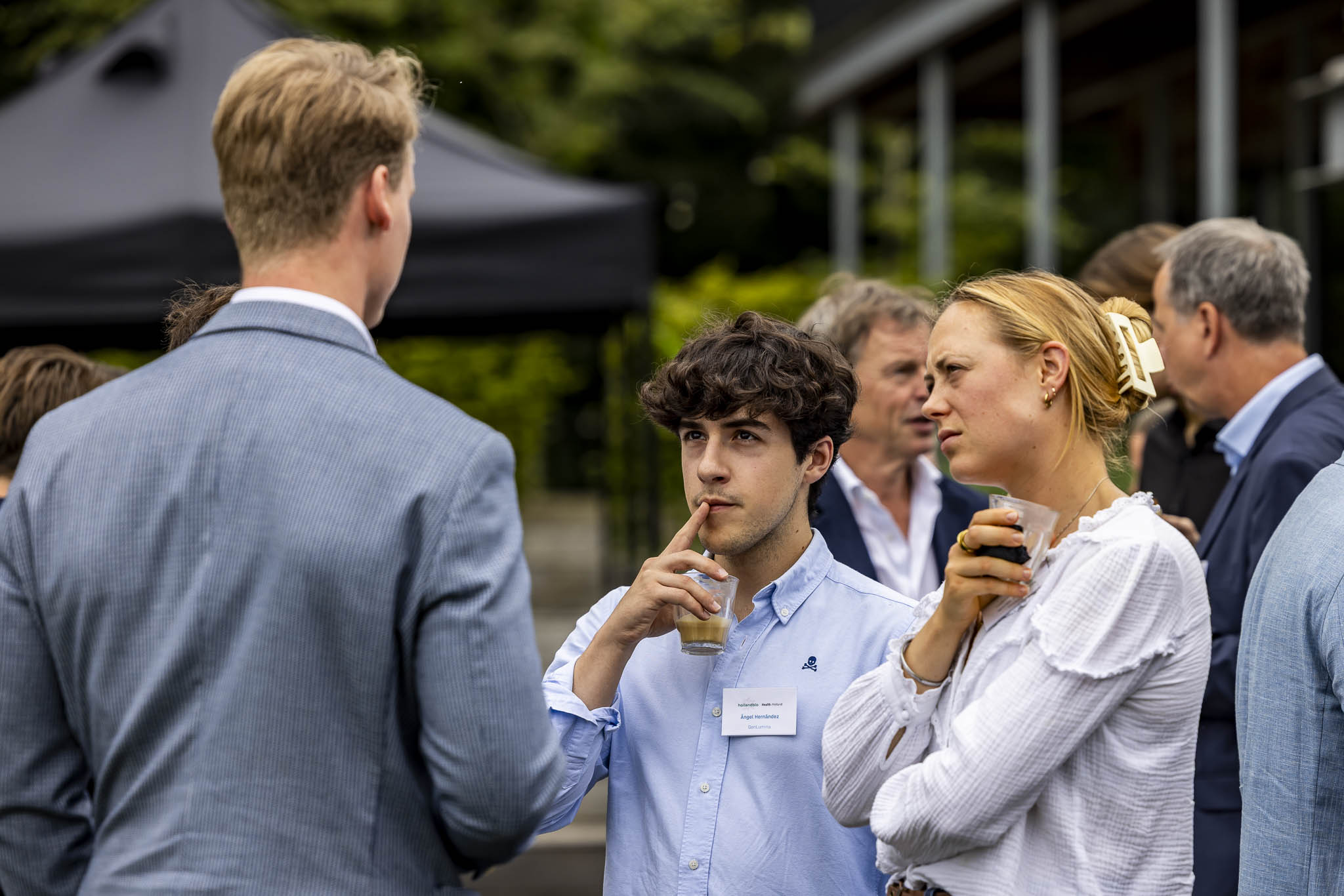
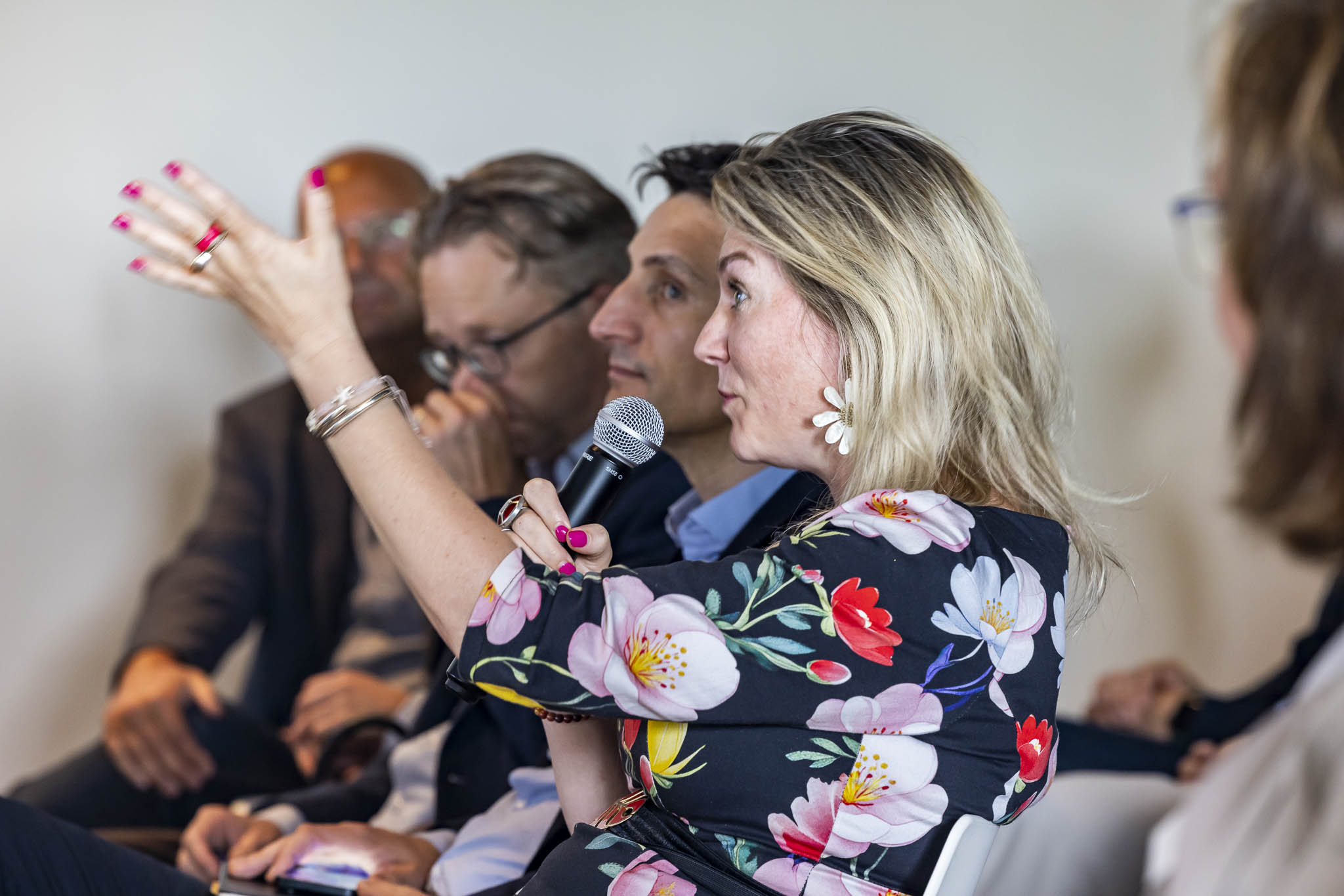
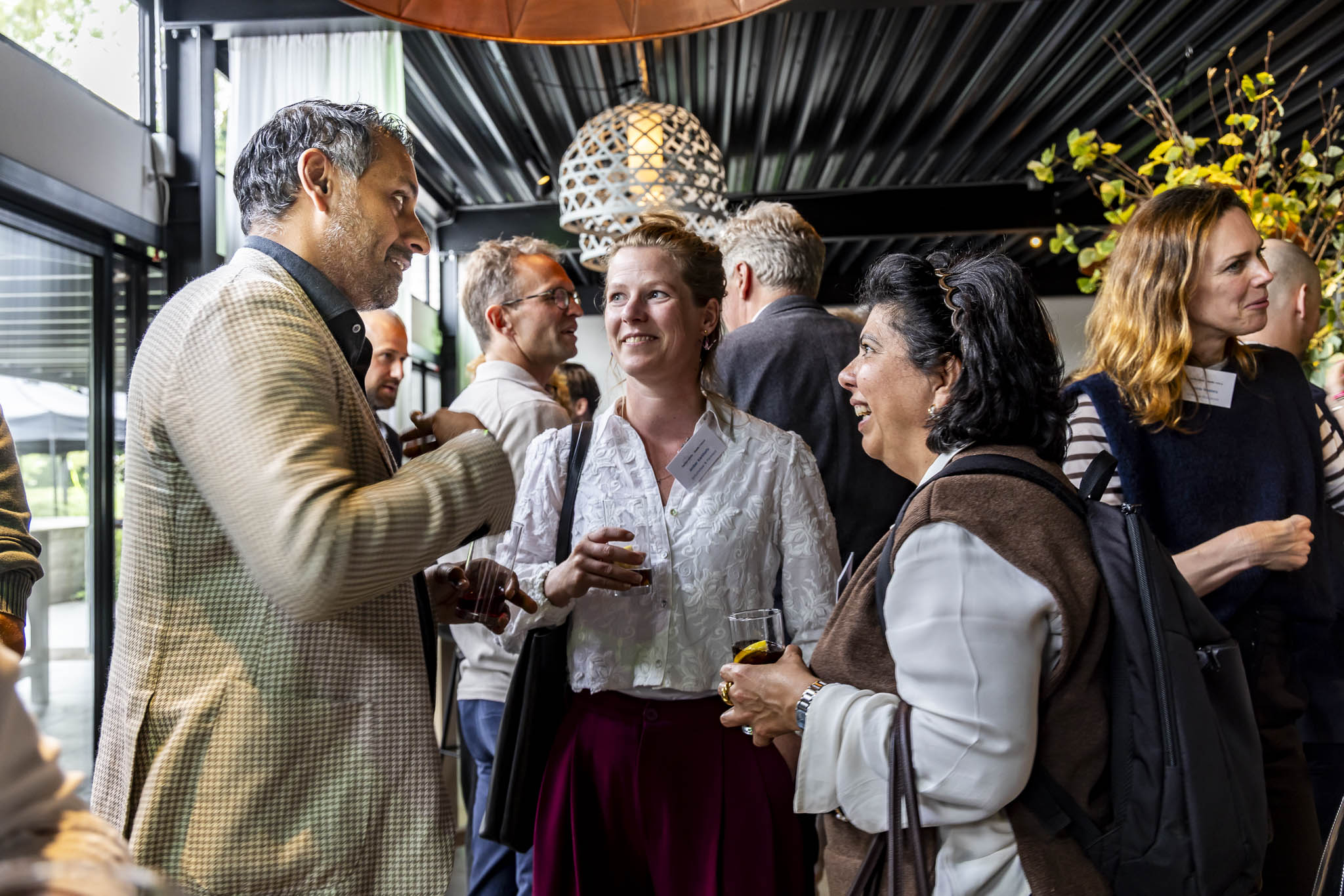
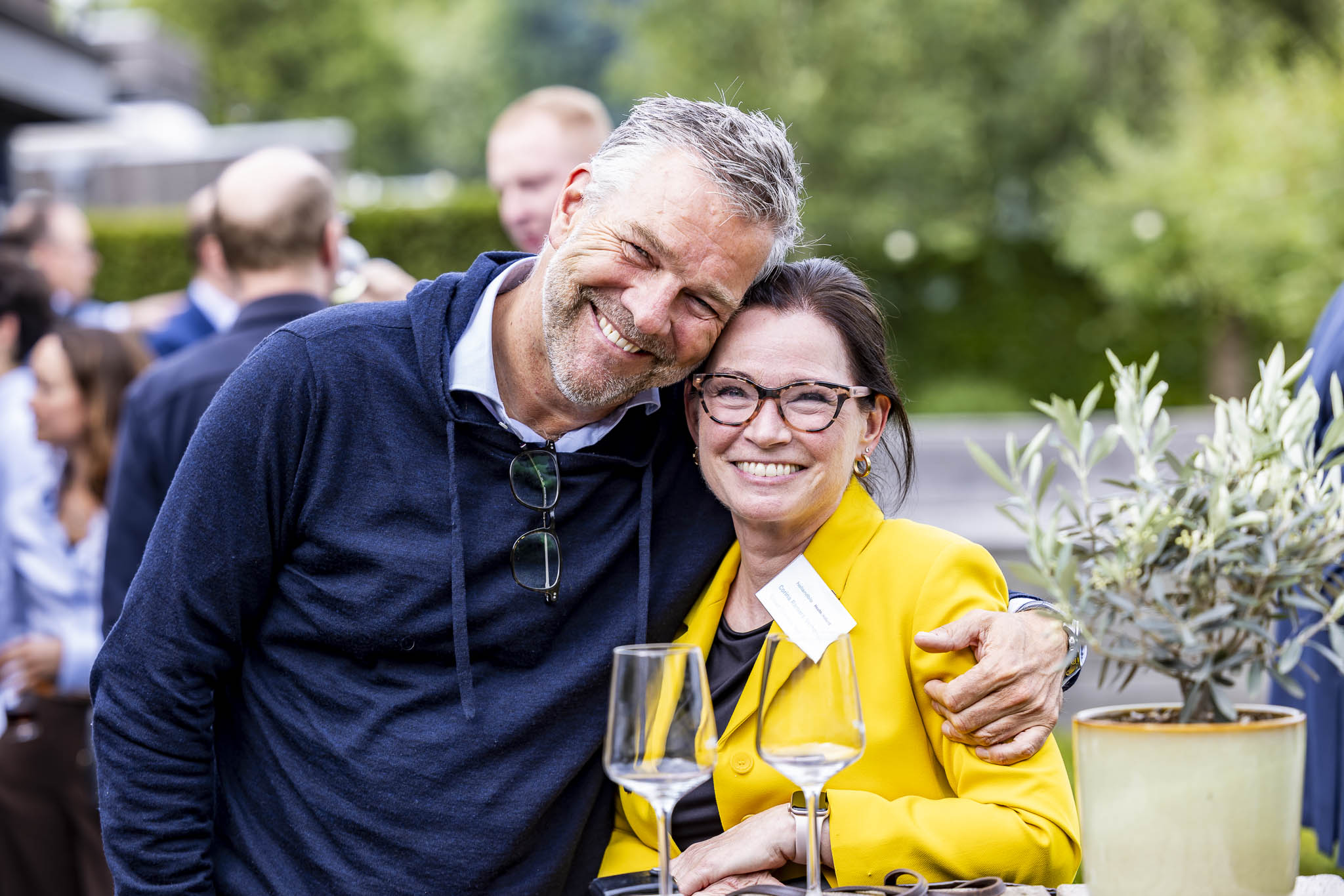
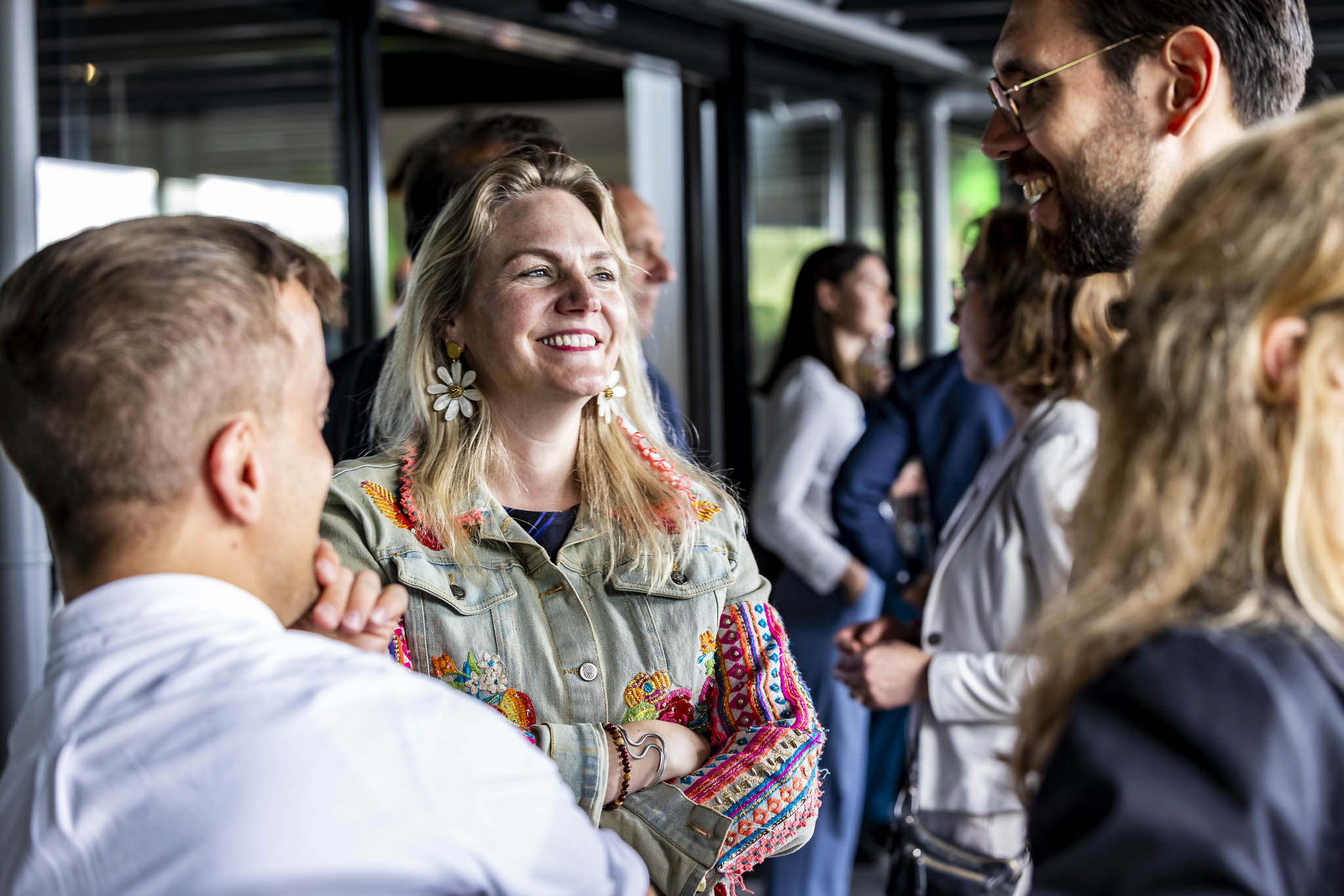
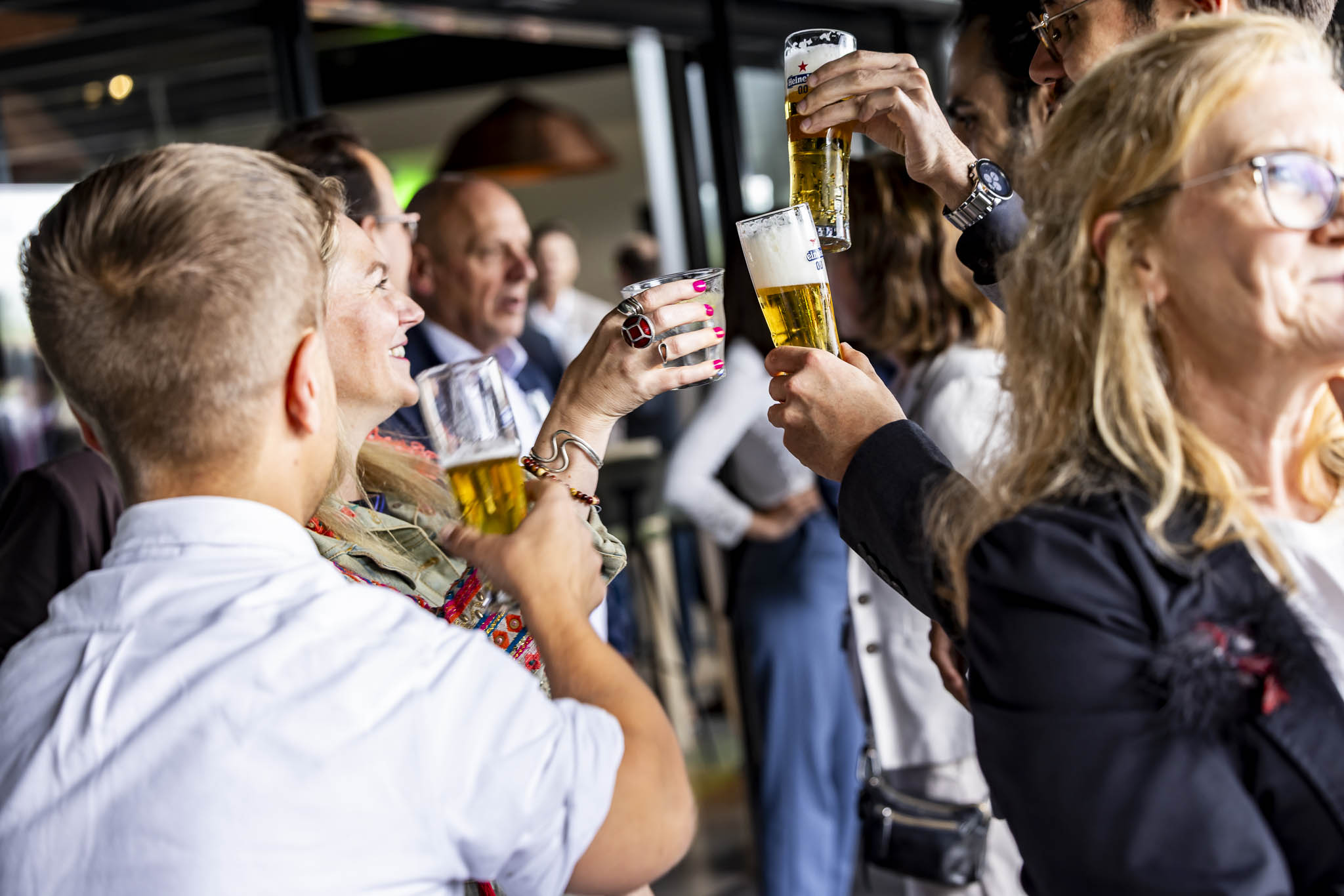
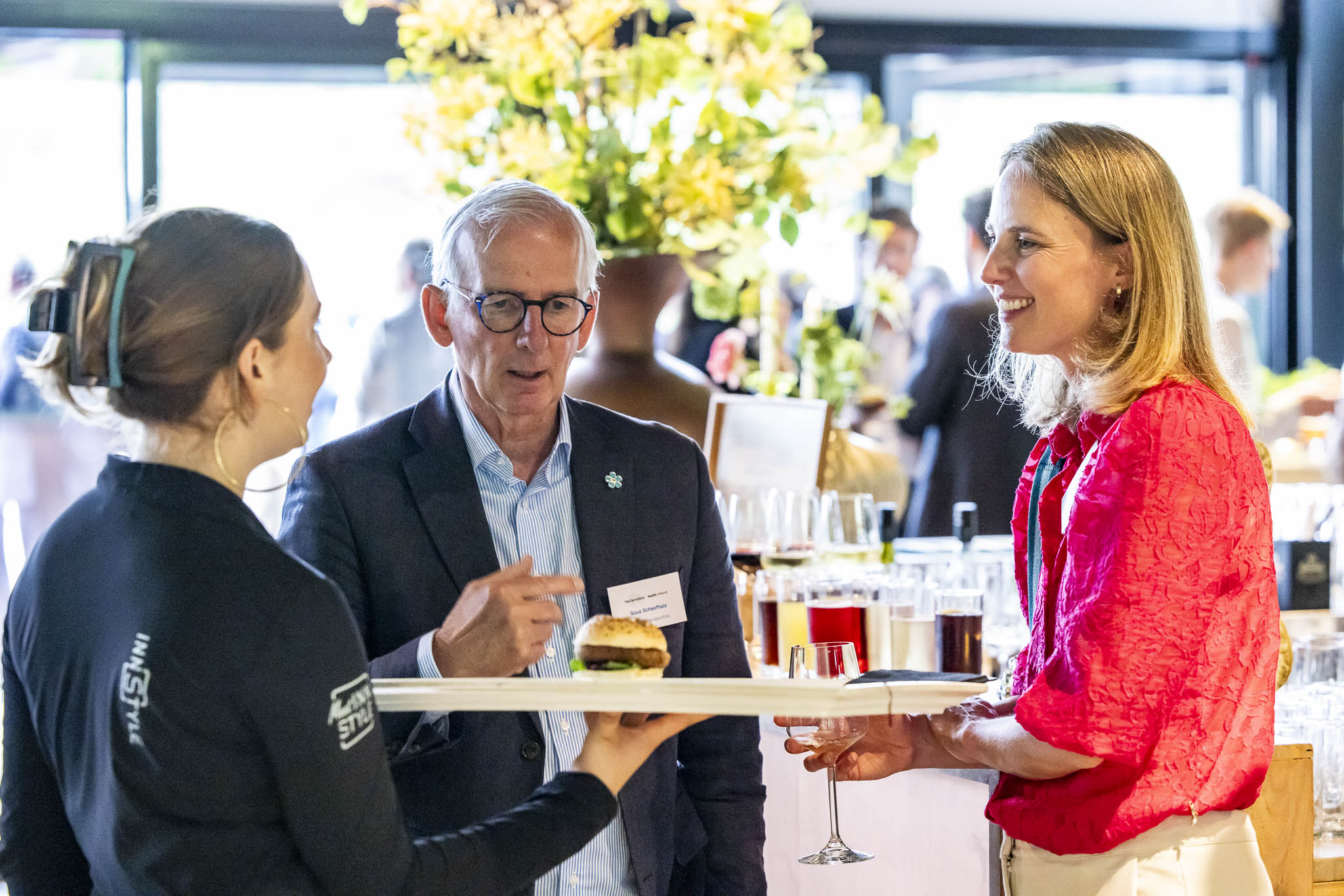
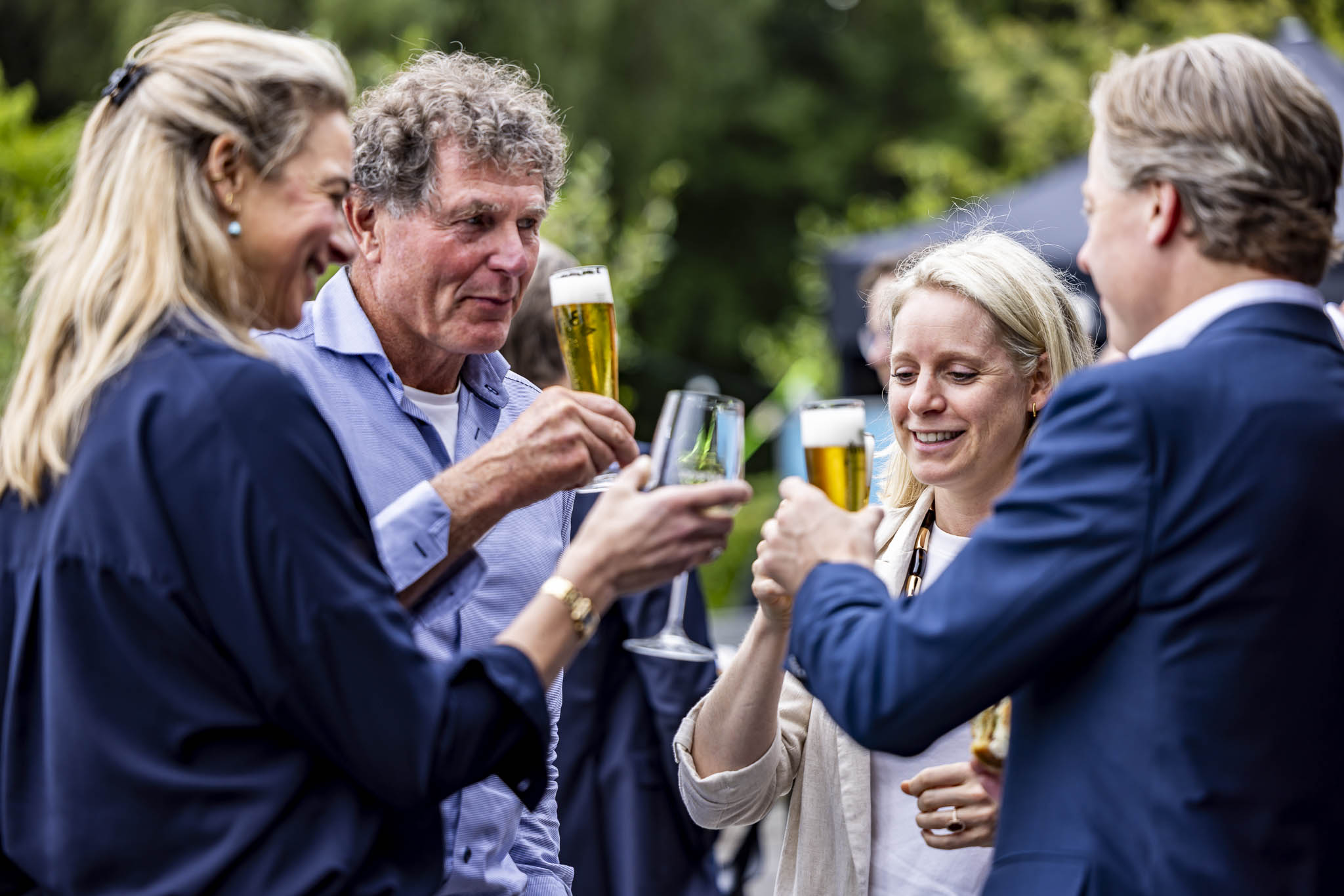
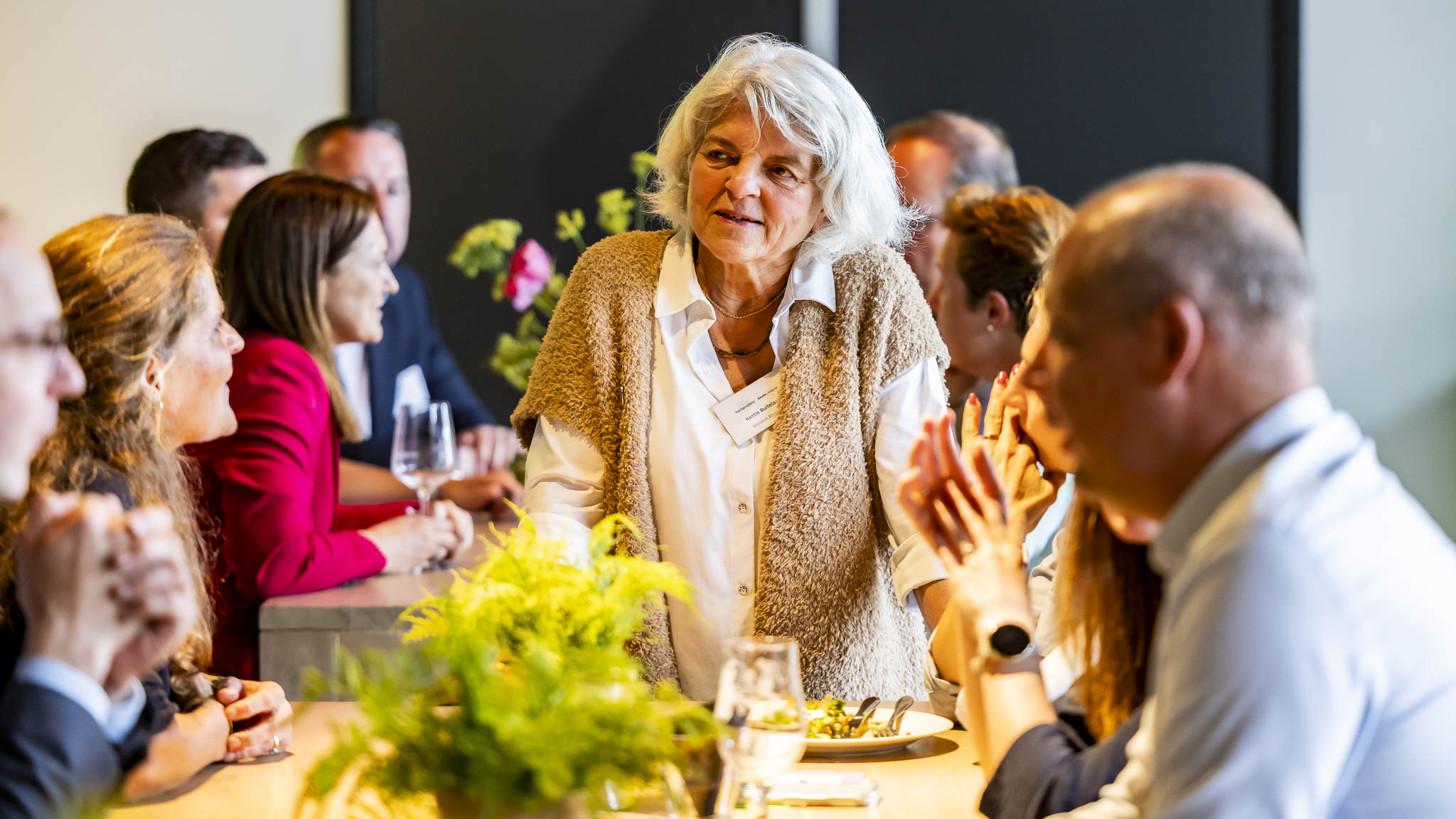
On June 12, the Dutch biotech community gathered once again at InnStyle in Maarssen for the Dutch Biotech Event 2026, powered by Health Holland. The day served as a reminder of what makes the Dutch biotech ecosystem so powerful: ambitious entrepreneurs, world-class science, and a community that is willing to collaborate to turn innovation into impact.

Opening the event, hollandbio’s Managing Director Annemiek Verkamman reflected on the growing political attention for biotechnology. With biotech firmly on the agenda in both the Netherlands and Europe, the challenge now is to translate ambition into action. From talent and funding to infrastructure and market access, creating the right conditions for biotech innovation requires collaboration across the entire ecosystem. Hollandbio remains committed to connecting stakeholders and driving progress on these themes together. 

The first keynote speaker, Violette Defourt, CEO and founder of Rapidemic, shared the realities of building a biotech company from the ground up. Through her personal journey in a leading a company, she demonstrated that entrepreneurship starts with strong conviction: believing in your vision, staying close to your values, and continuing to move forward even when the path ahead is uncertain. Her story resonated strongly with founders and innovators across the audience. 

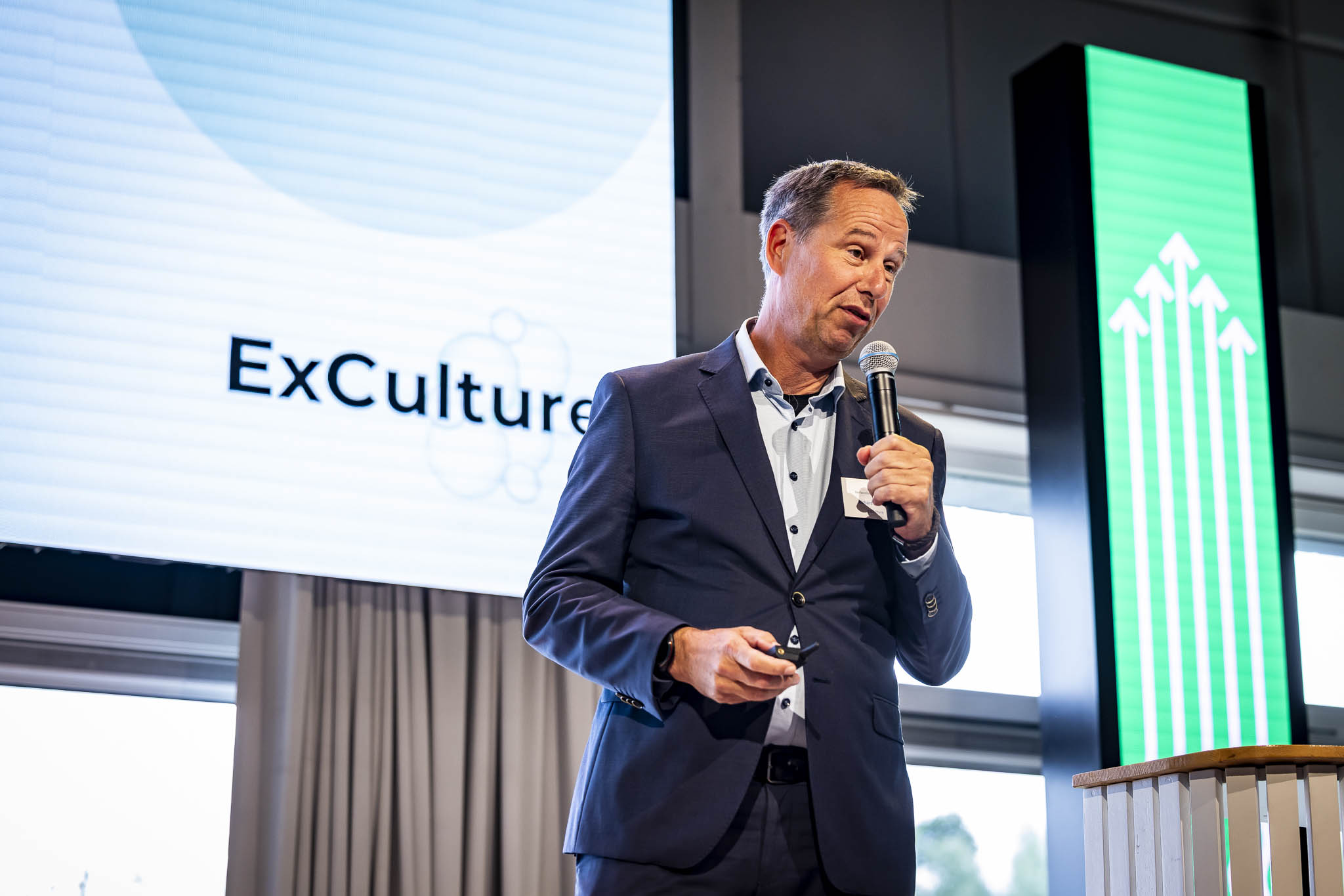
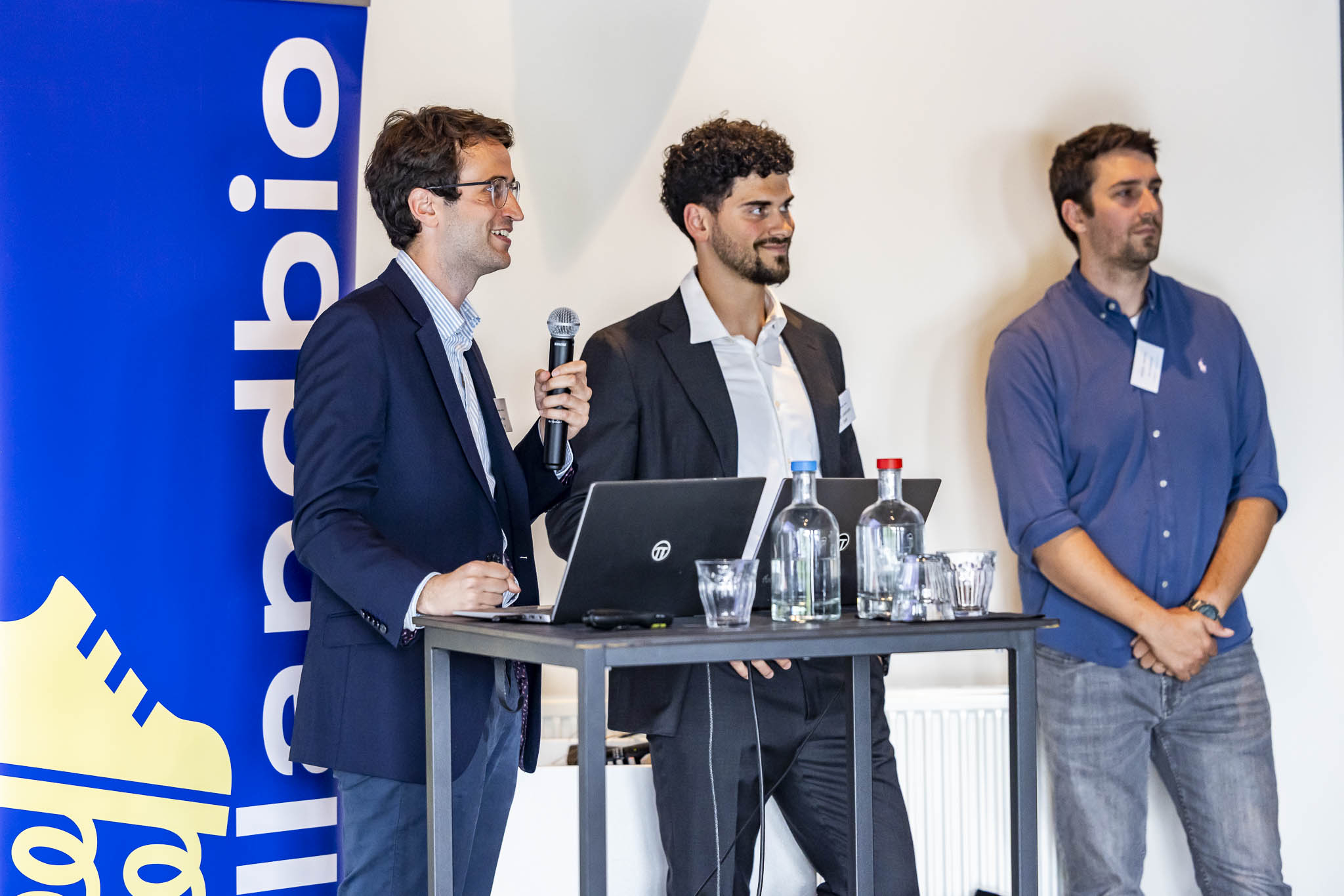
The entrepreneurial spirit of Dutch biotech was also on full display during the Venture Challenge alumni pitches. Three promising startups took the stage to share their innovations and ask the audience for support in their next phase of growth. ExCulture is looking for funding to scale up its animal-free alternative to porcine-derived heparin. Omivera showcased its kinase-focused platform that helps pharmaceutical companies better understand drug-target interactions and accelerate drug development. And Virogenesis invited feedback and collaboration from vaccine developers and industry partners on its organoid-based platform for respiratory virus production, which is currently under EMA evaluation.

Later in the afternoon, Olivier Rigaud, CEO of Corbion, offered a perspective from a company that has successfully grown from Dutch roots into a global leader in food and pharmaceutical ingredients. He highlighted the important role established companies can play in strengthening the biotech ecosystem. Corbion actively supports startups by helping them focus, scale and access funding—while also benefiting from these collaborations by staying connected to emerging technologies and entrepreneurial thinking, he explained. Corbion’s approach demonstrates how long-term innovation investments can go hand in hand with a strong and stable core business. 

Throughout the afternoon, attendees also joined breakout sessions covering some of the most pressing topics for biotech entrepreneurs and innovators: 

Biotech Financing Trends – What Drives Biotech Funding 

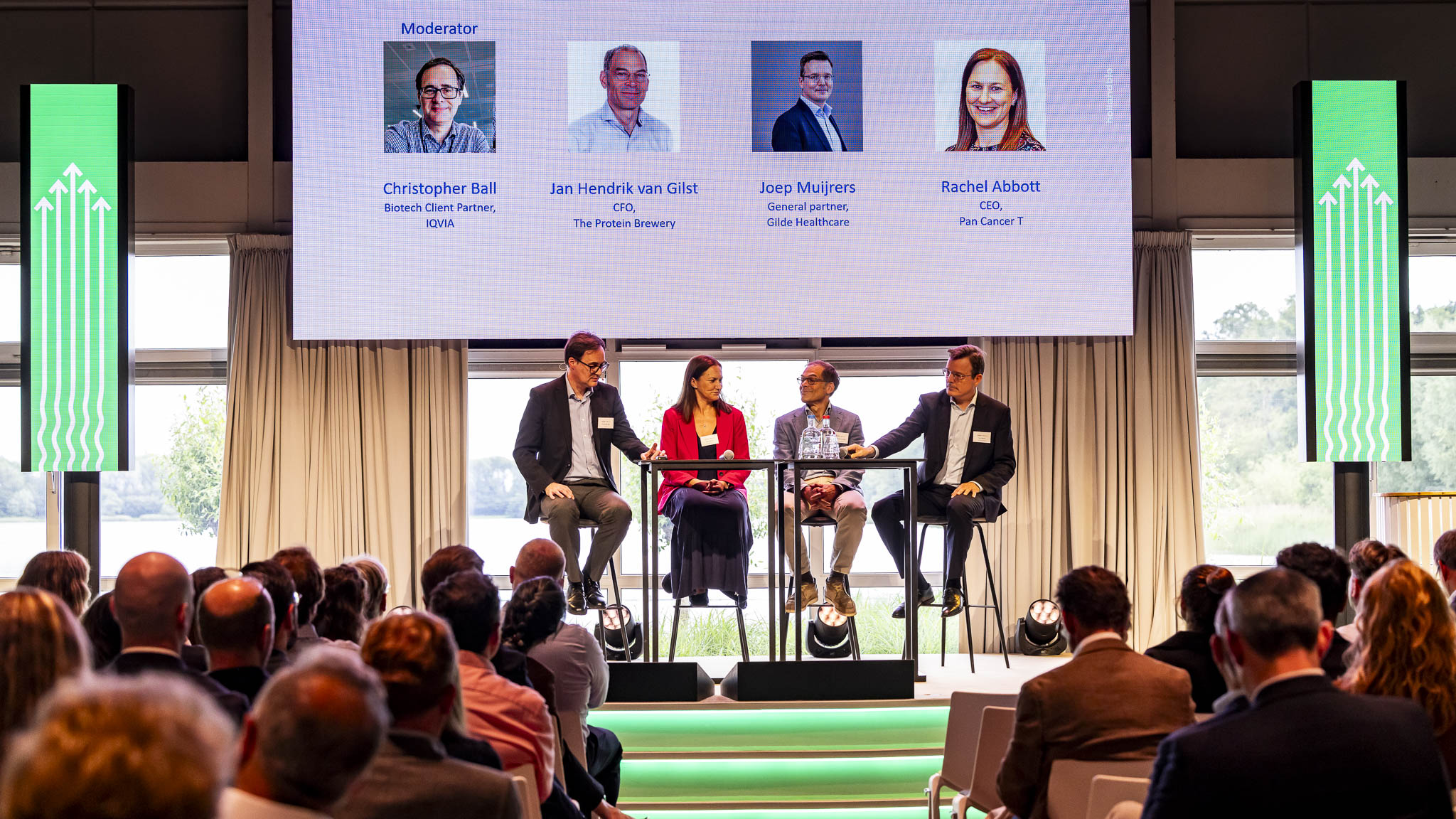
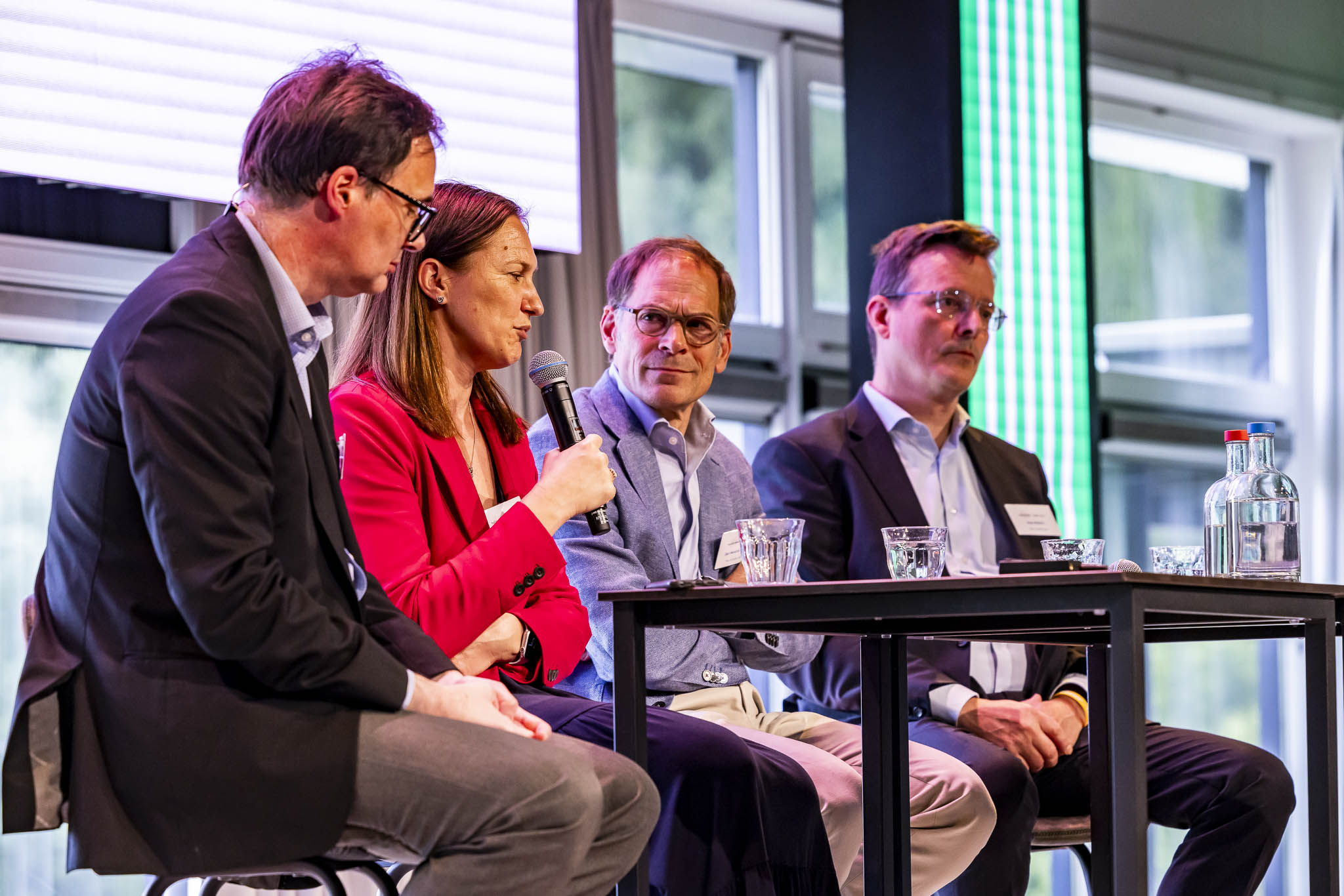
The financing breakout explored how the biotech funding landscape continues to evolve. Moderator Christopher Ball (IQVIA) first presented data showing signs of recovery. Venture capital investment is increasing, public markets have reopened and M&A activity is accelerating as pharmaceutical companies seek to replenish their pipelines. At the same time, funding is becoming increasingly concentrated in fewer companies and later-stage opportunities, raising the bar for founders seeking investment. Thereafter, panelists offered a candid perspective on what it takes to secure funding in today’s market. Rachel Abbott shared how Pan Cancer T adapted its financing strategy to generate critical data with limited resources, while Jan Hendrik van Gilst reflected on the realities of navigating a multi-year fundraising process while scaling The Protein Brewery. From an investor perspective, Joep Muijrers from Gilde Healthcare emphasized that fundraising is ultimately a people’s business, built on long-term relationships, trust and consistent execution. Across the panel, speakers agreed that strong science remains essential, but that successful fundraising increasingly depends on clear communication, a compelling value proposition and the ability to demonstrate progress over time. 

Scaling Smart 

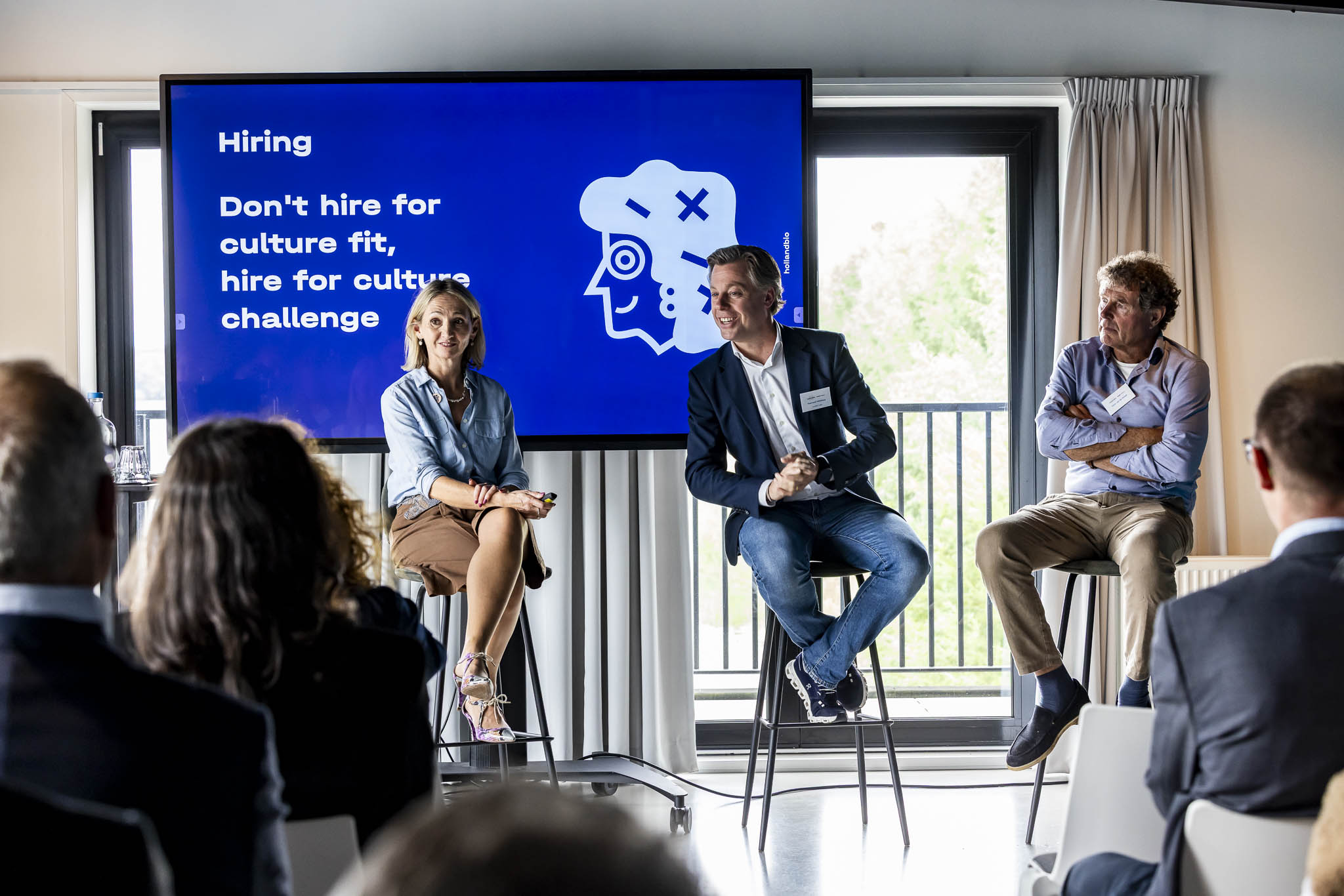
The Scaling Smart session focused on a challenge many growing biotech companies face: how do you preserve culture while scaling rapidly? Speakers agreed that culture is ultimately shaped by people and reinforced through everyday behaviour. As organizations grow, maintaining that culture becomes increasingly difficult, making it essential to hire people who embody and actively spread the company’s values. The discussion also highlighted the importance of creating an environment where employees feel empowered to challenge assumptions and speak up. As LeydenLabs’ Koenraad Wiedhaup noted, organizations improve when people dare to question the status quo, while former Galapagos CEO Onno van de Stolpe emphasized the importance of fostering a culture in which people feel comfortable saying “no” when needed. Participants also reflected on the Dutch tendency to revisit decisions repeatedly, concluding that innovation requires not only critical thinking, but also the confidence to move forward once a decision has been made. 

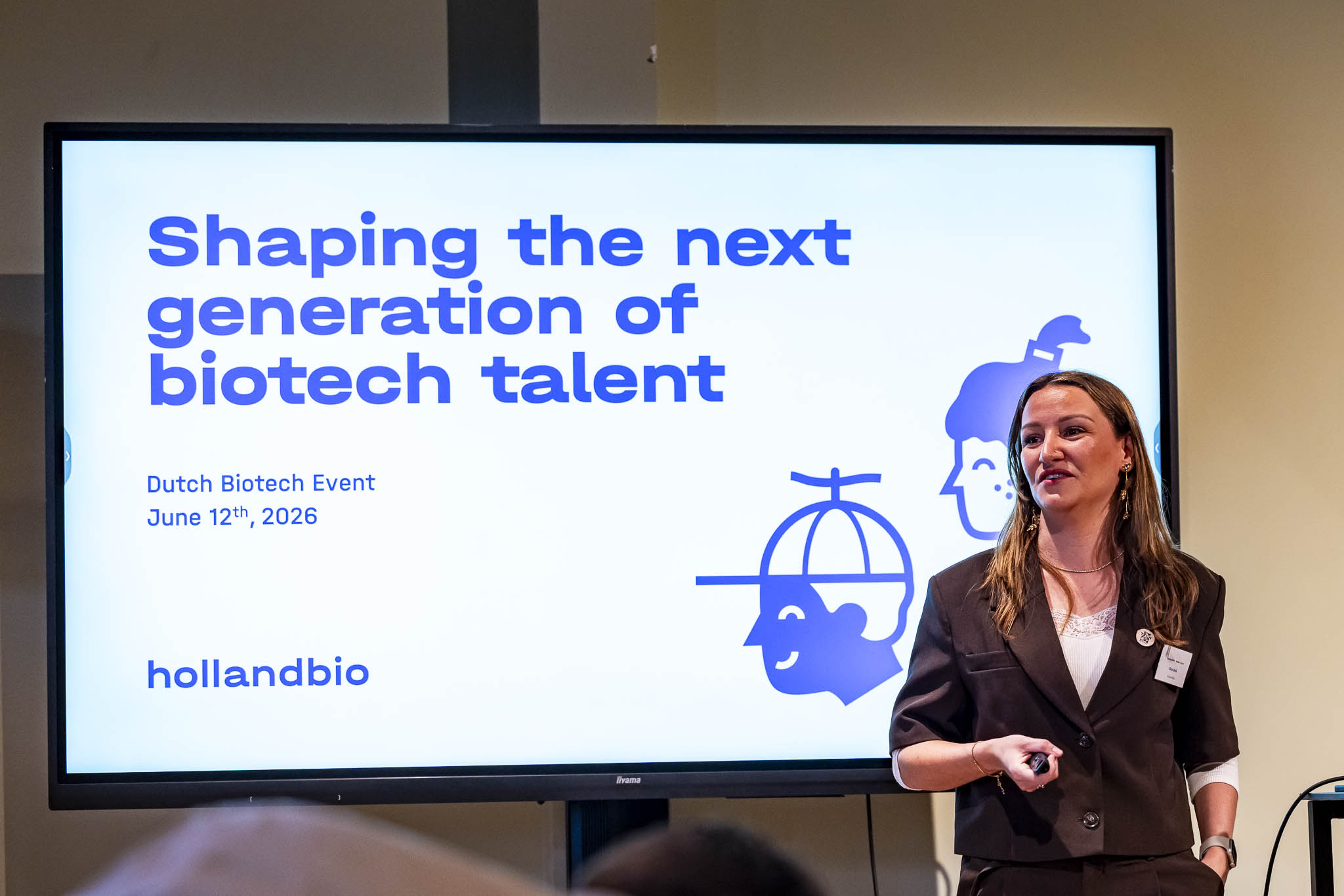
Shaping the Next Generation of Biotech Talent 

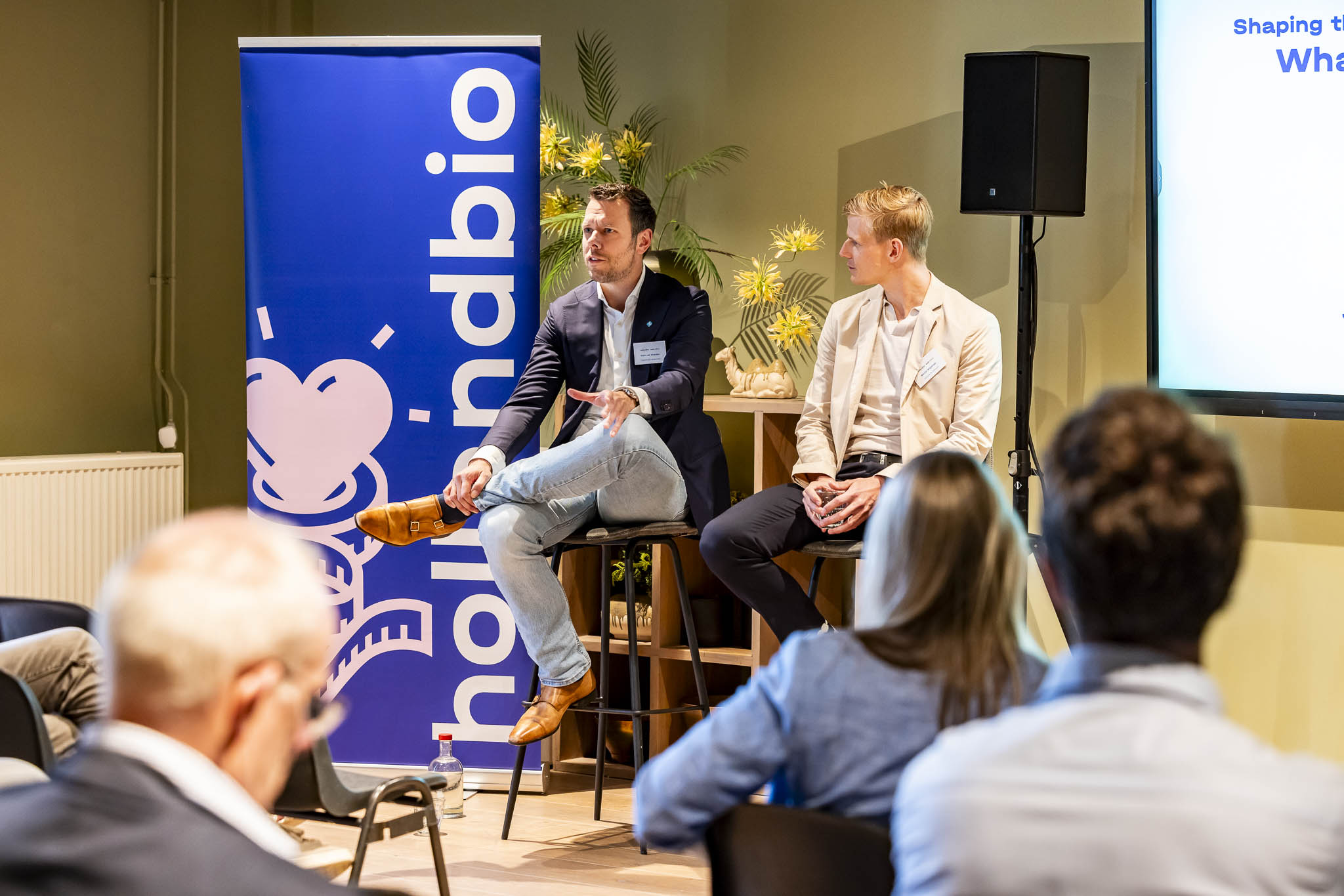
One of the most interactive discussions centred around the future of biotech talent. Following a presentation by Dina Diek on hollandbio’s GenZelfWeten campaign, moderator Ida Dlugosz guided a conversation with Martijn Wapenaar from Johnson & Johnson and Robin van Woerden from Talentmark on how the sector can attract and retain the next generation of biotech professionals. Participants agreed that talent is a complex, multi-dimensional challenge. Declining student inflow, competition from other sectors, mismatches between academia and industry, and the need for reskilling all play a role. The discussion highlighted that the sector can make the biggest difference by engaging with current and future talent at the right moments. By making biotech visible, relatable and relevant, companies and professionals across the ecosystem can help showcase the true essence of biotech and inspire future innovators. 

AI in Business 

In a packed session led by MKB Data Studio, Dario Turelli, Giacomo Lastrucci and Max Theisen (TU Delft) explored the many ways AI is already transforming biotech organisations. From drafting content and deploying AI agents to optimising production processes, the opportunities seemed endless. At the same time, the discussion raised broader questions about collaboration, knowledge sharing and trust. How much should companies share with one another? Where can collective gains be achieved? And perhaps most importantly: how much confidence should we place in work generated by AI? 

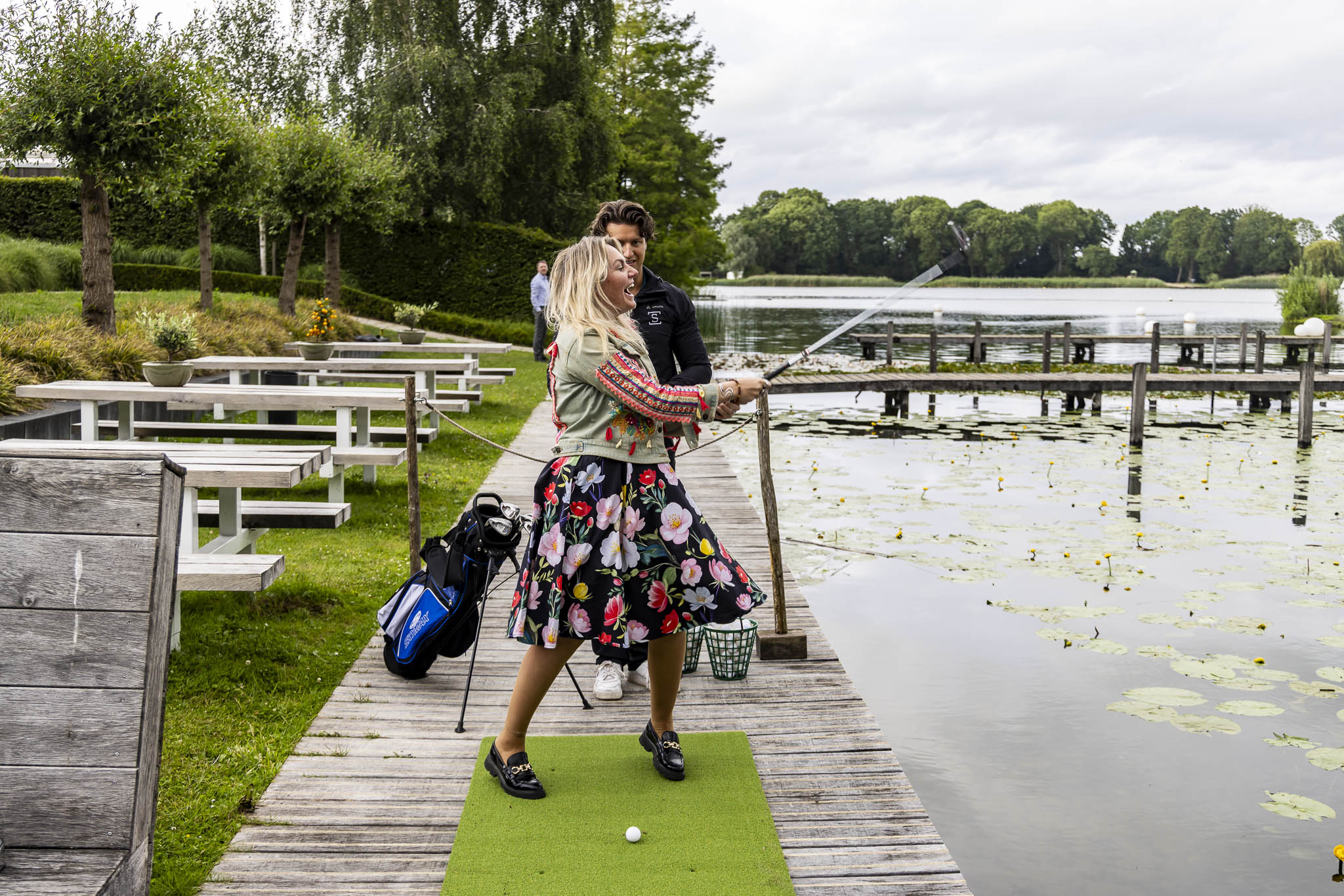
The day concluded with networking drinks, a BBQ and a few people who tried to perfect their hole-in-one swing.  

A big thank you to all speakers, moderators, sponsors, partners and attendees who helped make the Dutch Biotech Event 2026 another inspiring celebration of the power of biotech. We look forward to seeing you again next year.

← #nieuws

Hollandbio verwelkomt BioChem Oss als nieuw lid

Hollandbio verbindt, vertegenwoordigt en ondersteunt de Nederlandse life sciences-sector. We zijn supertrots dat we al meer dan 270 bedrijven vertegenwoordigen: van start-ups, midden- en kleinbedrijven tot grote bedrijven, actief in gezondheid, voeding of biobased economy. Vandaag verwelkomen we ons nieuwste lid, BioChem Oss. Met ruim een eeuw ervaring in de productie van heparine en een sterke focus op innovatie bouwt BioChem Oss aan de volgende generatie biologische geneesmiddelen. Vanuit Oss werkt het bedrijf aan de productie van hoogwaardige heparine én aan nieuwe toepassingen van heparine-derivaten voor onder meer infectieziekten en kanker.

BioChem Oss ontstond in 2023 als spin-off van Aspen en zet een rijke Osse traditie voort in de ontwikkeling en productie van heparine. Dit biologische geneesmiddel, gewonnen uit varkensdarmslijm, wordt wereldwijd ingezet om ongewenste bloedstolling te voorkomen bij onder meer zware operaties. Het bedrijf combineert diepgaande kennis van heparineproductie met een ambitieus innovatieprogramma gericht op duurzaamheid, procesverbetering en nieuwe therapeutische toepassingen.

Naast het optimaliseren van bestaande productieprocessen onderzoekt BioChem Oss alternatieve bronnen voor heparine, zoals bacteriële productie en celkweek. Daarmee speelt het bedrijf in op de groeiende wereldwijde vraag naar heparine en de behoefte aan een robuustere en duurzamere toeleveringsketen. Ook werkt het team aan het verminderen van water- en energieverbruik en het hergebruik van grondstoffen binnen het productieproces.

Een andere belangrijke pijler is de ontwikkeling van nieuwe toepassingen van heparine. Onderzoek laat zien dat gemodificeerde heparine-derivaten mogelijk meer kunnen dan alleen bloedstolling remmen. Zo worden potentiële toepassingen onderzocht op het gebied van infectieziekten en oncologie. Samen met partners werkt BioChem Oss aan de verdere ontwikkeling van deze veelbelovende innovaties. Welkom bij hollandbio!

← #nieuws

Hollandbio submits input for the EU Biotech Act II

, , , ,

Last week, hollandbio submitted its input to the European Commission’s (now closed) Call for Evidence on the EU Biotech Act II — a key opportunity for shaping the future of biotechnology and biomanufacturing in Europe. Together with partners across the ecosystem, we provided detailed and concrete suggestions on how to address the key challenges the biotech sector faces. In line with our four core asks, we asked for a more integrated approach to biotech policy across sectors and regulations, real investment in frontrunners to enable scale-up and industrial deployment, faster and more predictable routes to market and stronger market pull to create a level playing field for biotech solutions. Because only by addressing the full value chain from research to industrialisation and uptake can Europe ensure that biotech innovations are not only developed here, but also implemented here, delivering impact for health, our planet and economic growth.

← #nieuws

Hollandbio verwelkomt i-RECON als nieuw lid

Hollandbio verbindt, vertegenwoordigt en ondersteunt de Nederlandse biotech-sector. We zijn supertrots dat we al meer dan 270 bedrijven vertegenwoordigen: van start-ups, midden- en kleinbedrijven tot grote bedrijven, actief in gezondheid, voeding of biobased economy. Vandaag verwelkomen we ons nieuwste lid, i-RECON, de verbinder tussen bedrijven en talent in de life sciences-sector. Ferdi Cocken van i-RECON stelt zich graag aan jullie voor:

“Nederland mag trots zijn op het niveau en de internationale allure van de topsector Life Sciences. Talloze baanbrekende innovaties werden en worden hier bedacht, ontwikkeld en gemaakt. Dit zou onmogelijk zijn zonder de juiste kennis en ervaring. i-RECON zorgt ervoor dat bedrijven makkelijk en snel toegang hebben tot deze kennis en ervaring. Wij vinden áltijd en snel de juiste mensen, zodat ideeën tot de beste producten kunnen worden gemaakt.

Naast onze (executive) search- en recruitmentdienstverlening, zijn wij ook flexibel inzetbaar voor het inrichten van HR- en recruitmenttools, systemen en processen bij onze opdrachtgevers. Wanneer een start-up zich ontwikkelt tot een scale-up, ontstaat vaak een grotere behoefte aan structuur. Wij bieden de juiste ondersteuning met up-to-date kennis van automatisering, wetgeving én de markt. Hiermee borgen we dat onze opdrachtgevers onnodig risico lopen om talent te verliezen en stellen hen in staat om zelf de juiste mensen aan te trekken.

Binnen hollandbio willen wij op een laagdrempelige en persoonlijke manier nieuwe samenwerkingen opzetten met ambitieuze Life Sciences-bedrijven. We hopen veel nieuwe mensen te ontmoeten tijdens het hollandbio Dutch Biotech Event in Maarssen of bij een andere gelegenheid. Eerder kan natuurlijk ook, neem gerust eens vrijblijvend contact met ons op!”

← #nieuws

Nieuwspoortontbijt: toegankelijkheid voor weesgeneesmiddelen moet beter

, ,

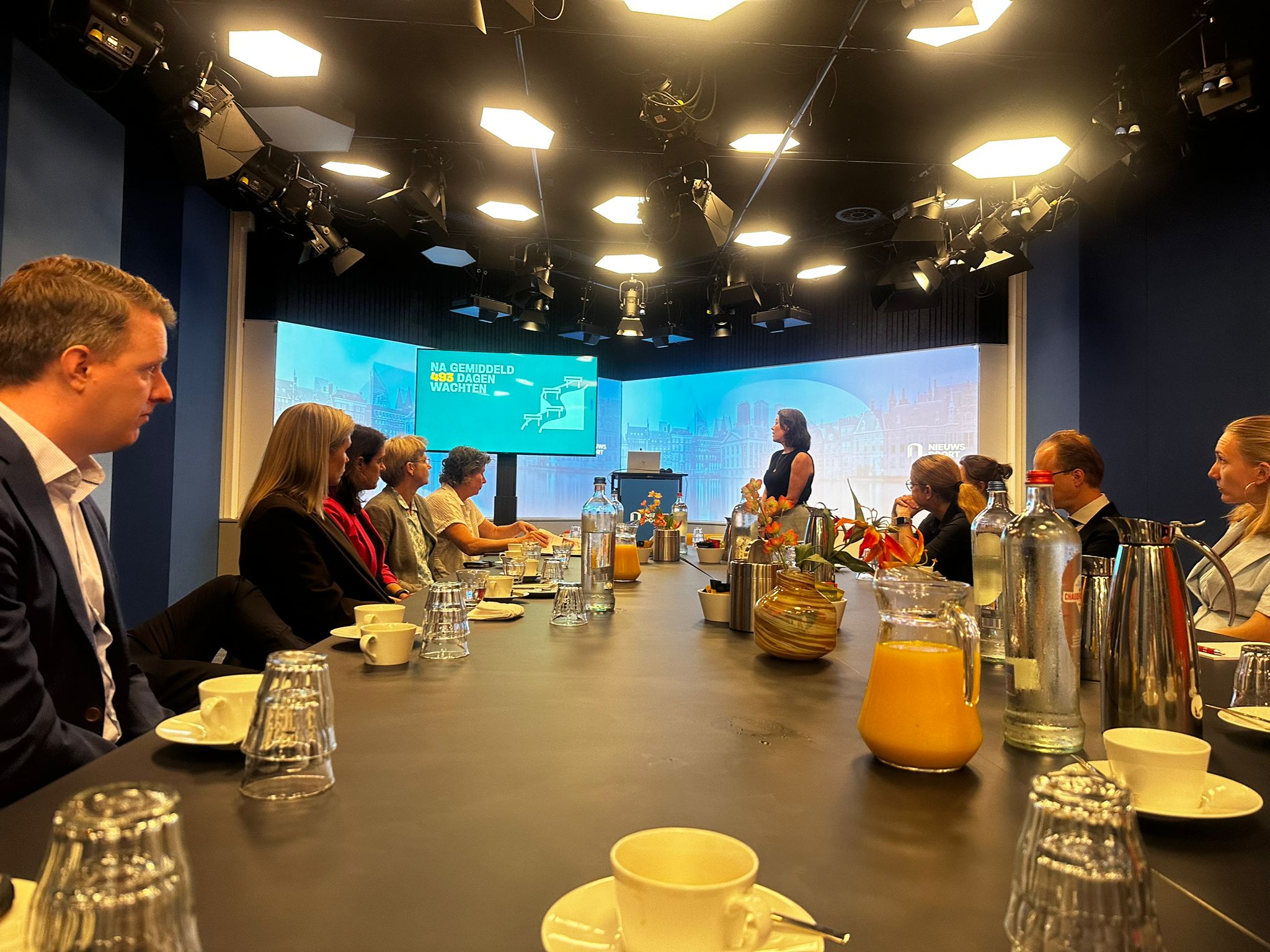
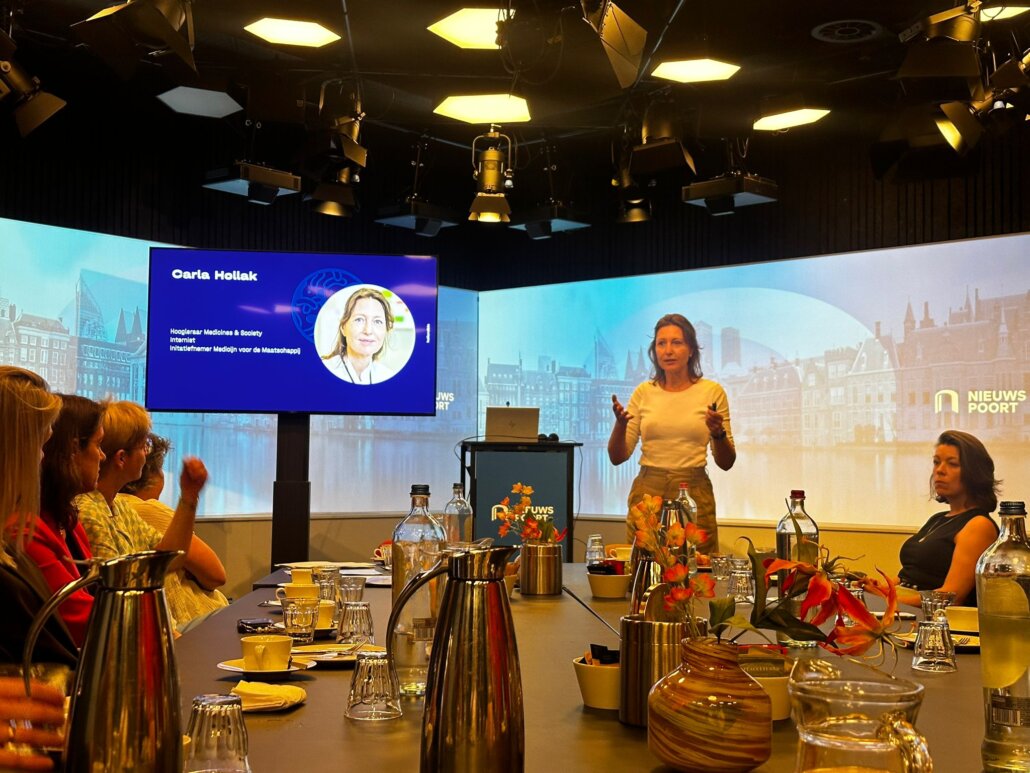
De toegankelijkheid voor weesgeneesmiddelen in Nederland dreigt vast te lopen. Recente cijfers laten zien dat slechts 39% van alle weesgeneesmiddelen die tussen 2021 en 2024 in Europa zijn geregistreerd, beschikbaar zijn voor Nederlandse patiënten. Samen met de Belangenvereniging van Kleine mensen, VSOP, VKS, Vereniging Innovatieve Geneesmiddelen en het Comité Weesgeneesmiddelen heeft hollandbio een ontbijtbijeenkomst in Nieuwspoort georganiseerd om hierover met Tweede Kamerleden het gesprek aan te gaan.

Tijdens deze bijeenkomst stonden we stil bij drie vragen: wat zien we gebeuren? Waar loopt het in Nederland vast? En als belangrijkste: hoe zorgen we dat dit wel gaat lukken? Voor de 1 miljoen patiënten met een zeldzame ziekte in Nederland is die laatste vraag waar het om draait. Voor hen zijn weesgeneesmiddelen geen luxe, maar vaak de enige optie die zij hebben voor een goede behandeling. Op 10 juni debatteert de Tweede Kamer met de minister van VWS over onder andere deze onderwerpen. Wij hopen dat Kamerleden de inzichten uit deze discussie mee kunnen nemen om de minister aan te sporen werk te maken van een toekomstbestendig stelsel dat patiënten met een zeldzame ziekte niet in de kou laat staan.

← #nieuws

Help Europe lead the wave in biotech innovation

,


The Call for Evidence on Biotech Act II is now open (deadline June 10th): a crucial opportunity for input the European biotech sector cannot afford to miss. With this next phase, the European Commission is focusing on industrial biotechnology and biomanufacturing, aiming to address bottlenecks such as insufficient market uptake, investment predictability and timelines, and fragmentation of the EU single market and regulation for bio-based products.
At hollandbio, we call for an ambitious and broad Biotech Act II that must work for all kinds of biotech products and biosolutions, as well as across the entire value chain, from early research to scale up and real world use. That requires an integrated approach to biotech policy, real investment in frontrunners, faster, predictable routes to market and market pull that helps innovations reach patients and consumers. This is the moment to act. So, make your voice heard before June 10th and help shape a Biotech Act II that lets biotech deliver, right here in Europe!

← #nieuws

Looking back at hollandbio’s third CEO & Founder event in Amsterdam

, ,

Last Tuesday, hollandbio’s CEO & Founder network brought together 50 biotech CEO’s and founders to meet, talk and network among peers. Ask a biotech entrepreneur about the biggest hurdles between lab and market and attracting funding will probably be high on the list. For this exclusive event, hollandbio members came together at the Nauta Dutilh office in Amsterdam to discuss that very important topic: funding.  

Doing a deal requires a sharp eye and a well-organised process

To set the scene, Ruud Smits, managing partner at Nauta Dutilh, pointed out some of the pitfalls and challenges of biotech funding. When closing a deal, the devil is often in the details. Options and choices can have major consequences, urging the need to be very critical when choosing investors and always checking agreements and contracts thoroughly. And – as always – making sure you seek advice and learn from peers or experts, is the wise thing to do.

Biotech funding requires careful planning and strategy

After the insightful intro, hollandbio’s Wieteke welcomed three renowned biotech entrepreneurs to the stage to join the panel discussion. Maria van Dongen, who, after gaining extensive drug development experience at several leading pharmaceutical companies, co-founded the Swiss Allegria Therapeutics. As the company’s CEO, she recently secured $5.1 million in seed extension funding to progress its lead program towards pre-clinical candidates.

Maarten Bosch joined cultured meat pioneer Mosa Meat seven years ago, after an extensive career in various start-ups in the corporate sector. As the company’s CEO, Maarten secured €15 million in funding early this year – a success even more impressive given the struggle and even shut down other cultivated meat companies currently face.

Finally, serial entrepreneur and investor Ton Logtenberg took the stage. Ton is no stranger to biotech success, being instrumental in the successful growth and multibillion-dollar exits of Crucell and Merus. As CEO of his new endeavour Gyes, Ton is well on his way to proving his brilliance once again, pushing forward a new, paradigm-shifting platform approach in precision antibody therapeutics.

Together, the panellists gave their personal and open takes and learnings on funding strategy, risks, and opportunities. Some insights:

  • There is no denying that the Chinese biotech industry is growing and is hard to outcompete on costs and speed. Yet there have been some examples of European companies that do similarly well. And yes, geopolitics is a force to consider; the panel agreed that if played well, competing with Chinese biotech still is possible.
  • To compete, Gyes carefully designed a distinctive structure and IP strategy:  a holding company that not only fosters and perfects the platform technology, but also acts as the perfect all-in service provider for its spin-out companies with specific programs. Combined with Gyes’ strategy not to file IP for its technology, might prove to be a game-changer in biotech entrepreneurship.
  • The importance of scenario planning was another topic the CEO’s agreed on. Without downsizing the need to design the perfect funding strategy too, success often results from carefully designed back-up plans – scenarios B, C, and D – as scenario A hardly ever plays out. Being prepared helps to seize other opportunities when they present themselves.
  • As most investors are flooded with business proposals, standing out is key to success. Making sure you understand an investor’s mandate and choose the best fit with your business helps you to do just that. Our panellists agreed that for a successful fundraise you need a compelling story as well as scientific excellence.

After this vibrant and interactive discussion, there was ample room to meet and continue the conversation over drinks – a high-level networking opportunity amongst peers highly valued by the attending CEOs and founders.

See you next time at our CEO & Founder event!

← #nieuws

Hollandbio welcomes Mosamatrix as a new member

Hollandbio connects, represents, and supports the Dutch life science sector. We are very proud that we already represent 270 companies: from start-ups, small and medium-sized companies to large companies, active in health, food, or the biobased economy. Today, we are proud to present MosaMatrix as our newest member.

An introduction by MosaMatrix:

“MosaMatrix develops a new class of hydrogels for 2D/3D cell-cultures, organ-on-chip and 3D bioprinting. Our first product is “NatureMatrix” an animal-free hydrogel combining biological performance with scalability, reproducibility, compatibility with automated high-throughput workflows. The hydrogel is based on patented oxidized alginate biopolymers with controlled gelation, tunable, dynamic mechanical properties and cell harvesting protocols. This enables advanced cell and organoid culture with integration in industrial workflows, such as automated liquid handling.  

Advanced 3D cell culture is a rapidly growing market for applications in next-generation drug discovery, disease modelling, organ on chip, organoid technologies and regenerative medicine. While the demand for scalable 3D cell culture is rapidly increasing, current hydrogel platforms pose a critical bottleneck hindering growth. Widely used animal-derived hydrogels offer biological performance but lack reproducibility, scalability and are not compatible with automation.  

MosaMatrix hydrogel performance has been demonstrated in multiple applications (cell and organoid culture and bioprinting).  The unique dynamic behavior, mimicking life-like conditions, has shown excellent tissue formation. The platform directly addresses the unmet need across the value chain, from end-users seeking biologically relevant hydrogels to industrial partners requiring reliable and processable materials for a scalable workflow. Our NatureMatrix  hydrogel delivers clear societal impact by accelerating developments of human disease models, reducing animal testing and enabling fast and more cost-efficient drug screening platforms. MosaMatrix can produce small amounts of its hydrogel and has started its first collaborations with potential customers. 

With our ambition to become a versatile platform for a broad range of human cell-lines we look forward to be a valuable partner for the Dutch life science ecosystem. Find  new collaborations and industrial partners, academia and start-ups to accelerate the use and benefits of 3D cell-cultures, ranging from academic research, new drug development to regenerative medicine.”