← #nieuws

Hollandbio welcomes Simon-Kucher as a new member

Hollandbio connects, represents and supports the Dutch biotech sector. With more than 290 members – from start-ups and scale-ups to established companies active in health, food and the biobased economy – we work together to strengthen the Dutch life sciences ecosystem. Today, we are pleased to welcome Simon-Kucher as our newest member. Simon-Kucher is a global consultancy focused on unlocking better growth through commercial strategy, pricing, market access, innovation, marketing, and sales.

“For over 40 years, we have been a trusted advisor to the life sciences industry, working with pharmaceutical and biotech companies at all stages of development to translate scientific innovation into sustainable commercial success. Our teams bring deep life sciences expertise and a holistic commercial perspective to critical decisions around asset and portfolio strategy, value optimization, launch, and commercial excellence.”

“With nearly 2,200 employees across 45 offices in 32 countries, Simon-Kucher has a strong global presence. Our life sciences practice includes over 450 professionals based in29 offices in Europe, the United States, Latin America, China, Japan, and the Middle East. This network enables us to combine global experience with deep local market knowledge, supporting international launch strategies and market-specific approaches in key markets such as the US.”

“By joining Hollandbio, we aim to deepen our connections within the Dutch biotech ecosystem and contribute to the dialogue on key commercial questions shaping the industry today. Key areas include commercialization and pricing strategy, evolving market access policies such as MFN, AI in healthcare, as well as partnering and transaction strategy, and commercial due diligence for biotech leaders and investors. We look forward to exchanging ideas with hollandbio members and being a trusted partner to Dutch innovators as they turn promising science into successful businesses and better outcomes for patients.”

Meet the leadership team:

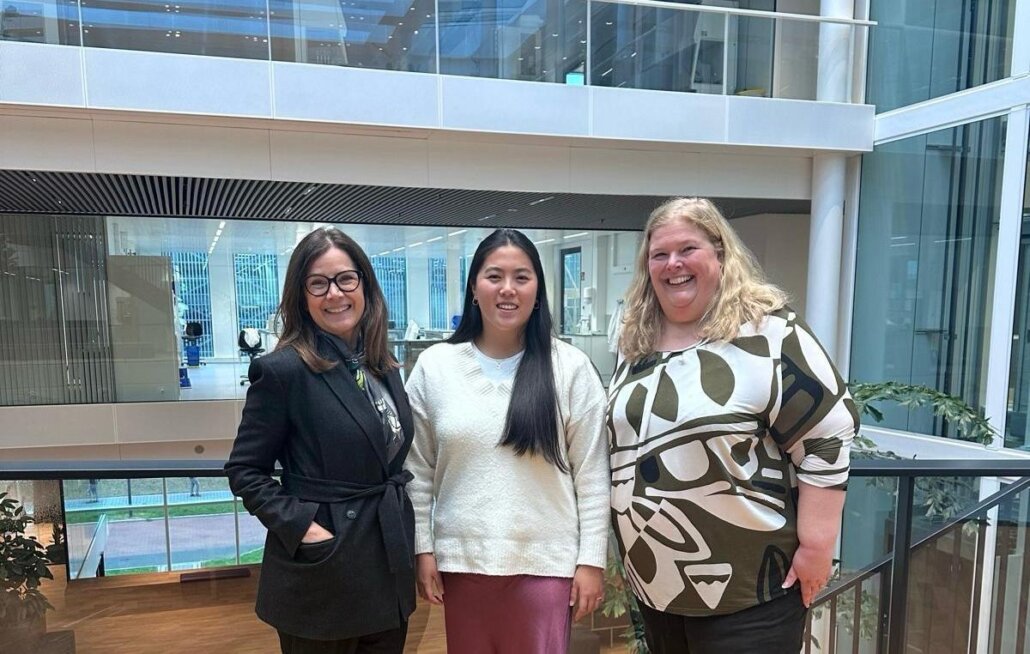
  • Eline Hendriksen-Middelburg, Director specializing in pricing, market access, strategy and commercial excellence for pharma and biotech.
  • Greta Mitzam, Director specializing in strategy, pricing, and commercial excellence across consumer health, animal health, and medtech.
  • Dirk Kars, Senior Partner (supporting & advising the Life Sciences Amsterdam team, based in Cologne, Germany), specializing in market access strategies, international pricing, contracting, and marketing for pharma and biotech.

Learn more about Simon-Kucher and the rest of our team on: www.simon-kucher.com

← #nieuws

From wait and see to fund and lead: A roundtable on financing Europe’s biotech frontrunners

,

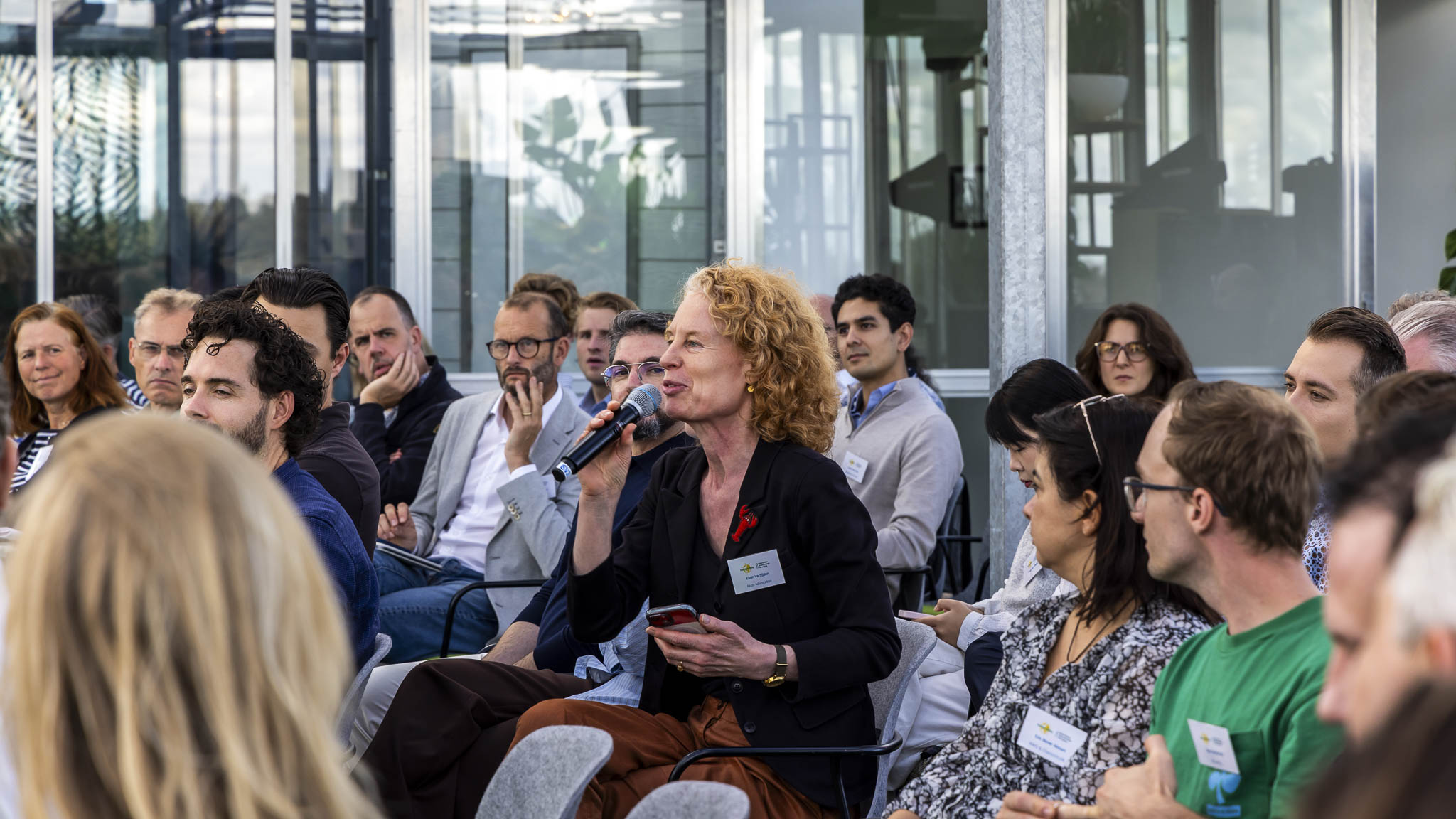
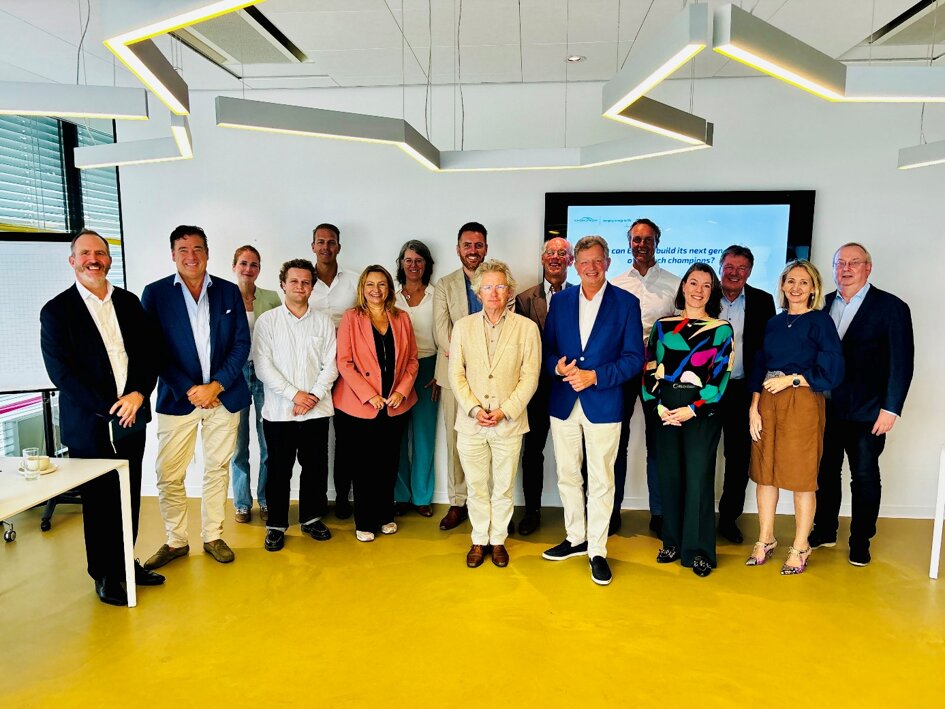
On 14 September, hollandbio joined a diverse group of biotech leaders for a roundtable discussion with EIC President Michiel Scheffer. The conversation, hosted by biotech company Khondrion in Nijmegen, focused on a key question: how can Europe build the next generation of biotech frontrunners?

Khondrion is dedicated to developing treatments for mitochondrial diseases, a group of often fatal rare diseases that can manifest at a very young age and for which no treatment currently exists that can slow the underlying disease process or its progression. Frank Alsemgeest left the room in silence as he shared what this means for families like his own: his son Robbe passed away at the age of three due to a mitochondrial disease.

Founder Jan Smeitink has independently guided the company from an academic concept to Phase III clinical development, a rare achievement within the Dutch biotech ecosystem. Yet bringing this innovation through the final stages of development and ultimately to patients requires tens of millions of euros in additional funding.

For Khondrion and other translational biotech frontrunners, such funding is far from readily available, especially in Europe. The challenge concerns a rare disease within a largely unexplored therapeutic field, despite an undeniable medical need. Every step from laboratory to patient is uncharted territory and must be designed and validated from scratch, from animal models and biomarkers to clinical endpoints. These pioneers often find themselves trapped in a “circle of wait and see,” where public and private investors, as well as pharmaceutical companies, follow developments with great interest, while waiting for someone else to make the first move. In the meantime, precious time is lost.

The status quo is all too familiar: Europe excels at generating world-class scientific discoveries and start-ups, yet struggles to scale them and capture their economic and societal value. The reason is simple: almost every key condition for biotech innovation is better organised elsewhere in the world.

The roundtable, moderated by biotech pioneer Ronald Brus, focused on precisely this challenge: how can we ensure that biotech frontrunners succeed in Europe rather than seeking opportunities abroad? Such as in the United States, where capital is significantly more abundant and investors have a greater appetite for risk. Or in China, where development can move at remarkable speed and, for now, at a fraction of the cost. Or South Korea, which has deliberately rolled out the red carpet for biotech innovation and is currently reaping the rewards.

The discussion made one thing clear: there is no silver bullet. Success requires an integrated approach. This includes fostering a more entrepreneurial culture, better aligning existing funding instruments and conditions with the unique characteristics of biotech innovation, and unlocking greater pools of capital, including pension fund investments and more attractive conditions for European IPOs. Equally important are faster and simpler regulatory pathways and an attractive market environment. Several ongoing European initiatives, such as the Biotech Act and the Capital Markets Union, provide valuable opportunities to strengthen these critical framework conditions.

The European Innovation Council (EIC), through its broad range of funding instruments that biotech companies already rely on extensively, plays a pivotal role in this. However, it is essential that public investors, including the EIC and national institutions such as Invest-NL, align more closely with the realities and needs of translational biotech frontrunners. For example, by offering greater support for later development stages and by taking a broader view of private investors, they can play a crucial role in mobilising and unlocking the patient, long-term capital these companies require.

By creating the right conditions, Europe can give its translational biotech frontrunners the momentum they need to succeed and ensure that European patients are among the first to benefit from the treatments they and their loved ones have been waiting for for so long.

← #nieuws

Biotech voor het eerst in de Troonrede

,

Historische mijlpaal voor de Nederlandse biotechsector tijdens Prinsjesdag: voor het eerst noemde ons staatshoofd biotechnologie expliciet in de Troonrede. Daarmee benadrukt de regering het belang van technologie en innovatie voor de toekomstige welvaart van Nederland én de rol van biotech als cruciale sector daarin.

Koning Willem-Alexander: zonder tech-investeringen raakt Nederland achterop

Koning Willem-Alexander schetste een duidelijke opdracht: zonder gerichte investeringen in technologie dreigt Nederland achterop te raken. Daarom wil het kabinet samen met bedrijven en kennisinstellingen werken aan een economie waarin innovatie sneller tot nieuwe bedrijvigheid leidt en waarin start-ups en gevestigde bedrijven elkaar versterken. Meer financieringsmogelijkheden, experimenteerruimte en investeringen in technologische doorbraken moeten ervoor zorgen dat nieuwe innovaties kunnen uitgroeien tot de economische motoren van morgen. Daarbij werkt het kabinet aan plannen voor een nationale investeringsinstelling en voor een speciale organisatie die zich richt op grensverleggende technologische doorbraken.

Toptalent voor cruciale sectoren als biotechnologie

Bij de economie van morgen hoort ook voldoende talent. In de Troonrede wees de koning expliciet op het belang van het aantrekken, opleiden en behouden van toptalent – van mbo en hbo tot de universiteiten – in cruciale sectoren als biotechnologie. Een mooie erkenning van een uitdaging die hollandbio namens de sector al langer onder de aandacht brengt.

Toekomstige welvaart vraagt om schonere industrie

De koning stelde dat toekomstige welvaart alleen denkbaar is met schonere industrieën en minder fossiele brandstoffen. Daar draagt biotech bij uitstek aan bij met biobased grondstoffen, schonere productieprocessen en alternatieven voor fossiele materialen. Dat vraagt wel om beleid waarmee innovatieve bedrijven kunnen opschalen en hun oplossingen op de markt kunnen brengen.

Biotech voor beter voedsel

Ook de vastgelopen stikstofaanpak blijft een topprioriteit voor landbouw, natuur en voedselvoorziening. Innovatie kan helpen de tegenstelling tussen landbouw en natuur te doorbreken, bijvoorbeeld met betere gewassen en nieuwe, duurzamere manieren om voedsel en ingrediënten te produceren. De erkenning van biotechnologie als cruciale sector is daarom van belang, maar het kabinet zal zich moeten inspannen om ook de toepassing ervan mogelijk te maken.

Toekomstbestendige zorg vraagt meer dan kostenbeheersing

De regering toonde zich bezorgd over het vooruitschuiven van de rekening, maar er is meer nodig dan kostenbeheersing om de zorg toekomstbestendig te maken. Nieuwe geneesmiddelen, vaccins, diagnostiek en behandelingen kunnen ziekte voorkomen, patiënten beter helpen en de druk op de zorg verminderen. Een kabinet dat meer nadruk wil leggen op gezondheid, zal dus ook moeten investeren in de innovaties die gezondheidswinst mogelijk maken. Dat de regering spreekt over onderhoud van het zorgstelsel en meer inzet op preventie, is dan ook een ontwikkeling die hollandbio met interesse volgt.

Politiek initiatief voor preventie

Ook volgen we nauwgezet het initiatief dat regeringspartij D66 afgelopen weekend nam. Bij monde van fractievoorzitter Jan Paternotte presenteerde de partij van de premier het voorstel voor gratis obesitasmedicatie, een gezondheids-APK en een Rijksvaccinatieprogramma voor ouderen (waarover afgelopen dagen al verder over werd doorgepraat). Het plan krijgt steun: “Het is zuur dat mensen met een kleine portemonnee misgrijpen”, aldus hoogleraar Liesbeth van Rossum. “Zoals het nu gaat, dreigt obesitasmedicatie elitegeneeskunde te worden.” Een toegankelijk zorgstelsel vraagt dan ook niet alleen om beheersing van kosten, maar ook om ruimte voor innovaties die ziekte voorkomen of gezondheidswinst opleveren. Preventie serieus nemen betekent ook innovaties toegankelijk maken voor de mensen die ze nodig hebben. Daar mogen we de politiek aan houden.

Van erkenning naar actie

Dat biotech voor het eerst expliciet wordt genoemd in de Troonrede, is een belangrijk signaal. Die erkenning moet nu worden omgezet in concrete actie. Na deze eerste indruk van Prinsjesdag 2026 analyseren we bij hollandbio de begrotingen en beleidsplannen verder en gaan we in gesprek met Kamerleden over de keuzes die nodig zijn om Nederland innovatiever, schoner en gezonder te maken.

← #nieuws

Hollandbio welcomes iProtics as a new member

Hollandbio connects, represents and supports the Dutch biotech sector. With more than 290 members – from start-ups and scale-ups to established companies active in health, food and the biobased economy – we work together to strengthen the Dutch life sciences ecosystem. Today, we are pleased to welcome iProtics as our newest member. iProtics is a Leiden University spin-off, founded in 2024, developing next-generation, highly selective immunoproteasome inhibitors for patients with hematological cancers.

The company’s lead program, IP074, is initially being developed for patients with double-refractory chronic lymphocytic leukemia (CLL). Although proteasome inhibition has demonstrated therapeutic potential in hematological malignancies, existing approaches can be limited by off-target effects and dose-limiting toxicities. iProtics is developing precision small molecules designed to selectively inhibit the immunoproteasome in malignant cells, with the ambition to improve the therapeutic window while preserving healthy tissue.

The company is now advancing IP074 towards GLP toxicology studies, an important milestone in assembling the non-clinical package for first-in-human development. iProtics combines expertise in immunoproteasome biology, translational pharmacology and drug development to pursue a differentiated treatment approach for patients with limited remaining therapeutic options.

While iProtics was founded in 2024, its founders have already been actively contributing to the Dutch biotech landscape for several years. Among other milestones, they won the Venture Challenge in 2022 and participated in the Take Off, BiotechBooster, Faculty of Impact and BioVenture Builder programs. These experiences have helped shape iProtics into a company that combines strong academic science with a practical, patient-focused development strategy.

“We are excited to join hollandbio and become an active part of its community,” says Elmer Maurits, co-founder of iProtics. “We look forward to connecting with fellow innovators, entrepreneurs, investors and service providers, not only to explore collaborations that can help advance IP074, but also to contribute to a stronger, more connected Dutch life-sciences ecosystem and support other emerging companies where we can.”

← #nieuws

Hollandbio opnieuw een Great place to work! 

Hollandbio is voor het derde jaar op rij uitgeroepen tot Great Place to Work! Daar zijn we natuurlijk supertrots op. Ons onderzoek laat zien dat onze medewerkers zich niet alleen als een vis in het water voelen bij hollandbio, maar er bovendien van overtuigd zijn dat ze met hun werk kunnen bijdragen aan een betere wereld. Dat motiveert, verbindt en geeft volop voldoening. “Ons fantastische team is de drijvende kracht achter hollandbio’s succes,” zegt hollandbio’s Annemiek. “De resultaten zien dat iedereen zich gewaardeerd voelt, veel autonomie ervaart, en betekenis vindt in zijn werk. Deze extra boost om het verschil te maken voor onze leden en hun slimme oplossingen is iets waar ik ontzettend trots op ben!”

← #nieuws

Hollandbio asks for more impact in Biotech Act Part I

,

The EU Biotech Act offers Europe a unique opportunity to strengthen its position as a global biotech leader. To help ensure the Act delivers on that promise, hollandbio submitted feedback this summer on Part I of the Act to the European Commission. We believe Europe is right to recognise biotech as a strategic technology for our health, planet and prosperity. But in today’s geopolitical reality, closing the gap with other global biotech contenders requires more than good intentions. While the Act contains several promising initiatives, we urged policymakers to keep their eyes on the prize: more biotech impact. In our response, we ask the commission to extend the scope and ambition of the Act, align policy with industrial reality, match financing with funding gaps, maximise the Act’s positive impact and enable progress at EU level. Because only by addressing the full value chain, we believe Europe can ensure that biotech innovations are not only discovered here, but also deployed here – delivering impact for patients, consumers and the economy.

← #nieuws

Hollandbio welcomes DGr Pharma as a new member

Hollandbio connects, represents and supports the Dutch biotech sector. With more than 290 members – from start-ups and scale-ups to established companies active in health, food and the biobased economy – we work together to strengthen the Dutch life sciences ecosystem. Today, we are pleased to welcome DGr Pharma as our newest member. DGr Pharma, based in Breda, is an internationally operating consultancy and contract research organization, which leverages the expertise and experience of its highly-skilled, multi-disciplinary workforce to accelerate drug development. By joining hollandbio, they want to meet innovative companies and to help them bring their products to the market.

“Our unique concentration of multidisciplinary experts – combined with a direct and pragmatic approach – presents sponsors with flexible service options to cope with business and regulatory requirements. Another strength is the flat organizational structure of DGr Pharma which encourages direct communication. This culture empowers experts with direct involvement in the decision-making process and allows sponsors easy and fast access to their expertise. We have an extensive track record, especially in the areas of oncology and infectious diseases and helped to bring more than 30 molecules successfully to the clincic and some of them even to the market.”

“Our CMC, non-clinical and clinical consultants can support every step in your drug development program from lead selection up to Phase IIa clinical trials. Whether you want support to successfully convert your lead molecule to a pharmaceutical product, input on your development strategy, assistance in preparation of meetings with regulatory agencies, advice on a single study, or whether you want us to manage your entire program, we will help realize a fast and high-quality drug development process.”

“Besides our consultancy services, we offer GLP certified PK/TK data analysis according to OECD guidelines using in-house validated Phoenix WinNonlin and SAS routines for both non-clinical and clinical studies. Our expert PK/TK data analysts provide high quality data for both small biotech, as well as large pharma in compliance with regulatory (EU and US) requirements. We are proud to say that our analyses have never led to regulatory questions.”

← #nieuws

Hollandbio welcomes CiNTL Pharma as new member

Hollandbio connects, represents and supports the Dutch biotech sector. With more than 290 members – from start-ups and scale-ups to established companies active in health, food and the biobased economy – we work together to strengthen the Dutch life sciences ecosystem. Today, we are pleased to welcome CiNTL Pharma as our newest member.

Based in Utrecht, CiNTL Pharma is a data-driven contract research organization (CRO) that is rethinking how clinical research is conducted. By combining scientific expertise, advanced data capabilities and execution within a single integrated platform, the company supports biopharmaceutical innovators across a broad range of therapeutic areas and development phases.

As Europe’s first fully agentic, data-driven CRO, CiNTL Pharma brings innovative approaches to clinical development that can help accelerate the path from scientific discovery to patient impact. Their expertise in clinical research and data management further strengthens the Dutch and European life sciences ecosystem and contributes to a more efficient, innovation-driven clinical development landscape.

Yolanda Cabrera-Sybesma, CEO of CiNTL Pharma: “By joining hollandbio, we strengthen our commitment to the Dutch biotech sector and unlock unprecedented opportunities for sponsors seeking innovation-driven partners. Together, we’re redefining how clinical trials should be managed.”

We warmly welcome Yolanda, Agnes, Shuling and the entire CiNTL team to the hollandbio community!

For general inquiries, please contact us at info@cintlpharma.com

Direct contacts:

← #nieuws

Europe’s biotech future is up for debate

,

Brussels will soon head into the summer break, but the debate on Europe’s biotech future is far from slowing down. Across Europe, policymakers are increasingly recognizing biotech as a strategic priority for competitiveness, resilience and economic growth. As Europe faces growing competition from the US and China for biotech investment, talent and manufacturing, it is important that we answer a critical question: how does Europe remain a place where biotech companies can start, scale and succeed? With the European Commission‘s impact assessment on the Biotech Act published and the Council of the European Union and European Parliament beginning to reveal their positions, the discussion is moving in real time. And while Europe makes up its mind, there is still an opportunity for the sector to influence the outcome. Hollandbio is tuning in. You too?

Encouragingly, momentum is growing behind priorities long championed by hollandbio and our European partners. The Commission’s own impact assessment confirms what many in our sector have been saying for years: Europe excels at science, but struggles to translate that excellence into investment, scale-up and manufacturing. Better access to capital, regulatory streamlining, stronger scale-up, and a more coherent biotech ecosystem spanning health, food and materials are therefore all gaining political traction.

The Council recently responded positively to measures streamlining rules for certain genetically modified microorganisms (GMMs) and organ transplantation, while introducing only minor additional safeguards. Lead rapporteurs in Parliament have also largely backed the act and significantly taken up industry-supported amendments into the draft report, reportedly including proposals to extend regulatory sandboxes to novel foods. The Commission’s impact assessment likewise highlights regulatory sandboxes as a valuable tool for supporting innovative biotech companies, particularly SMEs. Together, these developments signal growing recognition that Europe’s innovation agenda should support the full breadth of biotech, from medicines to food and materials and from discovery all the way to deployment.

Not everything is settled, however. Significant political differences remain in how Europe should strengthen its biotech ecosystem. While some committees (SANT & ITRE) support stronger intellectual property incentives to attract and retain investment, others (ENVI & JURI) favor public-private partnerships, targeted funding and regulatory support measures.

And that debate matters. While the Commission concludes that the Act can contribute to a more competitive and innovative European biotech ecosystem, a recent Charles River Associates (CRA) analysis commissioned by EFPIA concludes that the current Biotech Act proposal alone is unlikely to close Europe’s competitiveness gap with the United States and China. According to CRA, Europe currently lacks a clear advantage on any of the main drivers of biotech investment, including access to capital, clinical research, manufacturing conditions and market access. So, for the biotech act ambitions to hold up their promise, even more is needed.

In the coming months, negotiations on Biotech Act I will continue, while publication of the much-anticipated Biotech Act II is also expected, aiming to address broader ecosystem challenges around investment, scale-up and industrial capacity. Together, these initiatives will need to show how Europe plans to strengthen its biotech ecosystem and translate scientific excellence into societal and economic impact. In the meantime, hollandbio will continue advocating for an ambitious framework that enables biotech companies to innovate, scale and create impact in Europe.

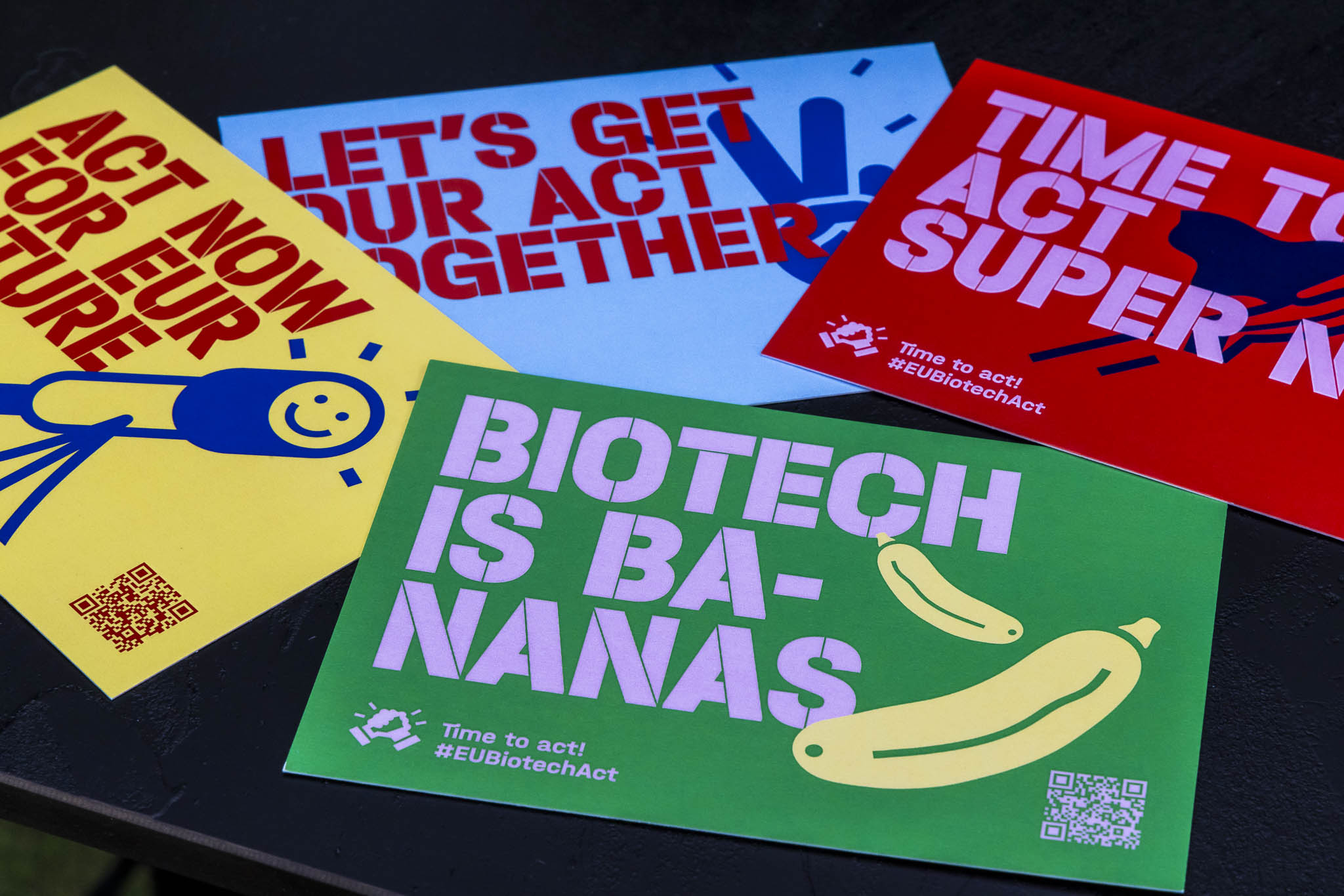
There is a feedback opportunity on the Biotech Act part I that remains open until 5 August to which hollandbio will be submitting a response on behalf of the sector. But policymakers also need to hear directly from the organisations developing tomorrow’s solutions, so we also encourage you to contribute your own perspective. And for those that would like to go one step further, join our LinkedIn campaign to share what Europe should act for, whether that’s new medicines, future-proof materials, food security or a healthier planet.

The more biotech professionals join, the more policymakers hear what biotech can deliver, and the harder it becomes to ignore what Europe stands to lose. This is the moment to speak up. Together, we can help ensure Europe’s bright biotech future!

← #nieuws

Announcing Agilent as a new hollandbio partner

,

Hollandbio is pleased to welcome Agilent as the newest partner in its Member Benefits Program. Through this collaboration, hollandbio members can now benefit from exclusive discounts on selected Agilent products and solutions. We are very happy to be able to offer our members this additional purchasing advantage and to further support the Dutch biotech community with access to high-quality laboratory technologies and services. More information about the Agilent purchasing program and the available member discounts can be found here. If you would like to learn more or sign up to this purchasing program, then please contact hollandbio’s Max.