Dutch Biotech Event 2026 turns ambition into action
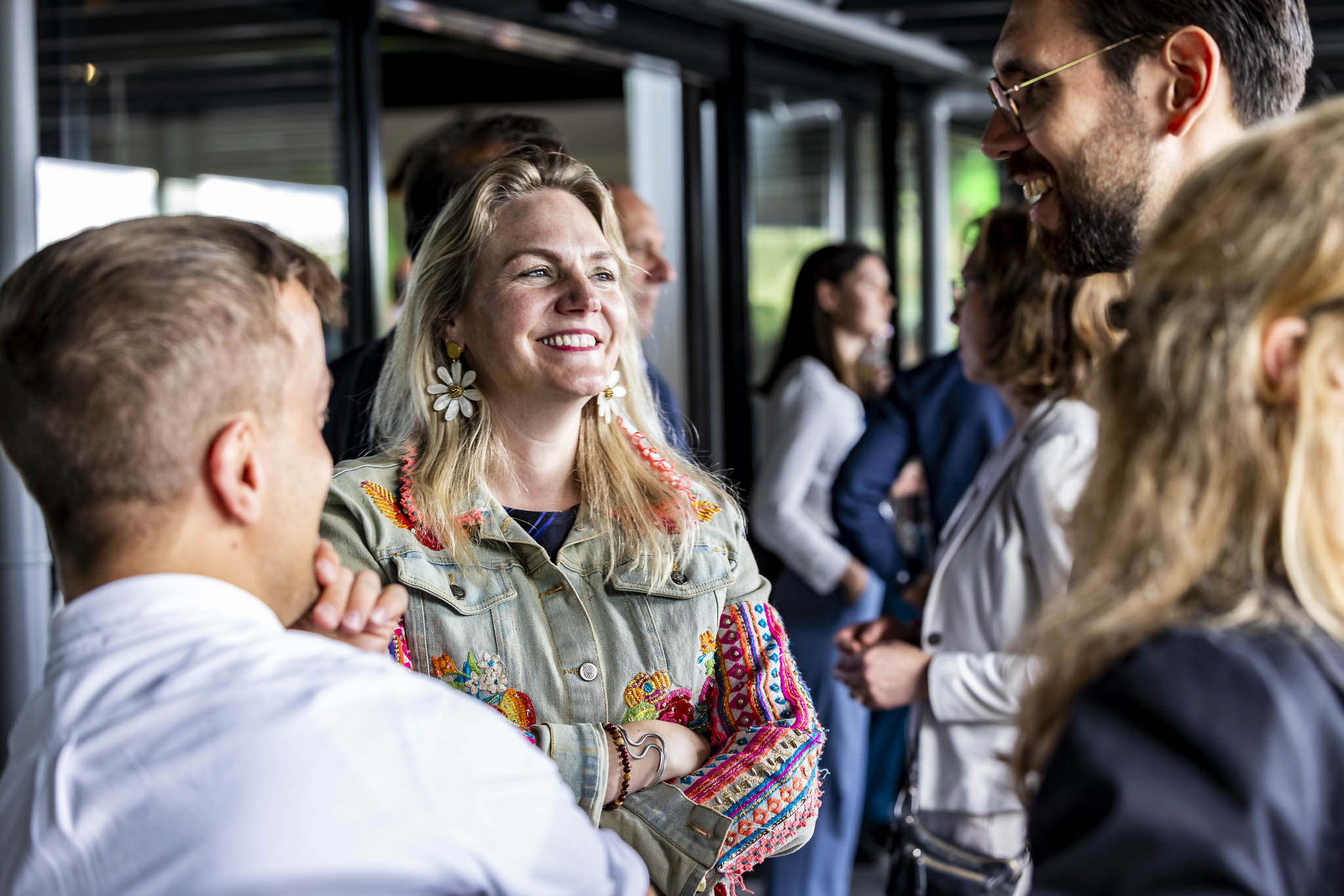
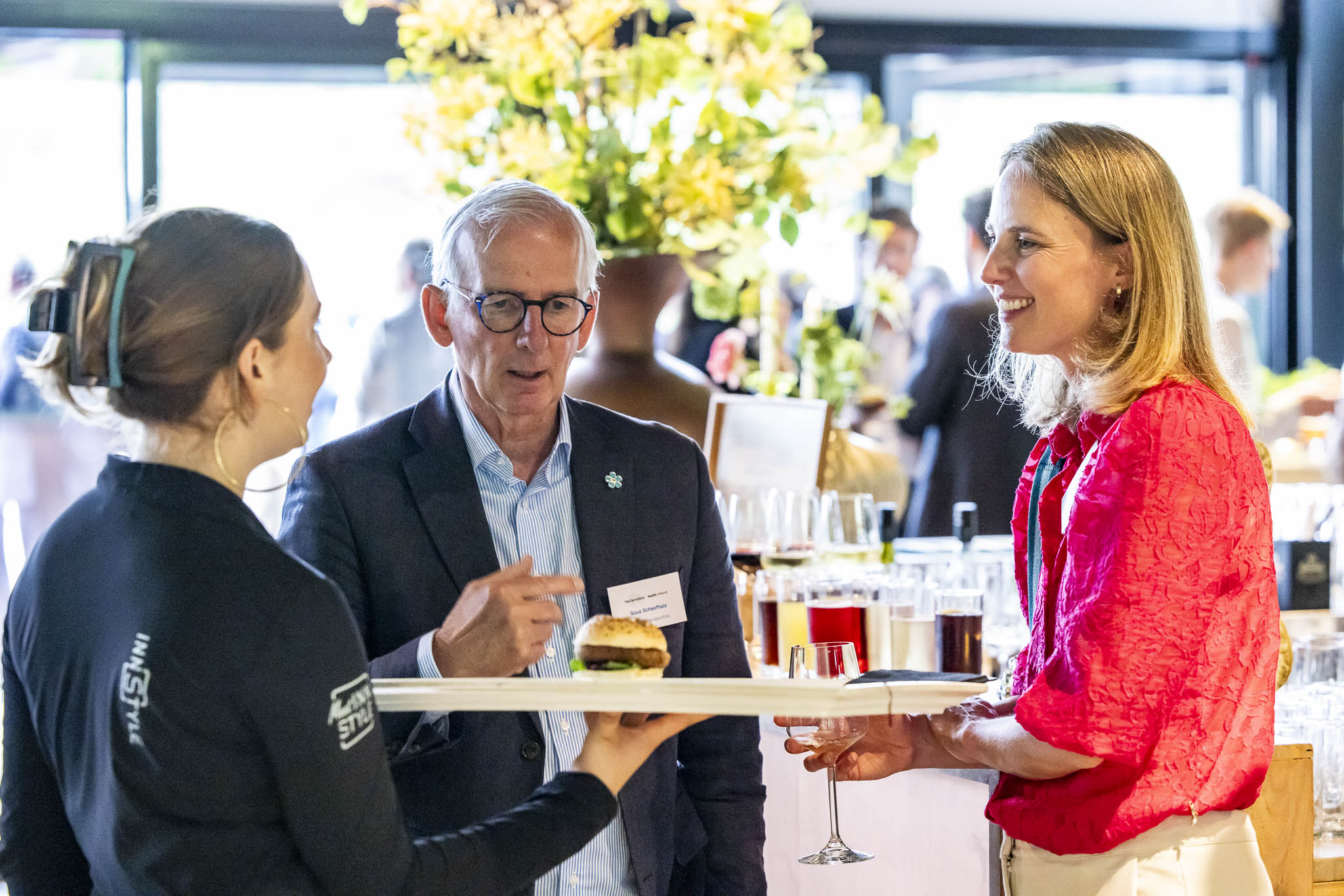
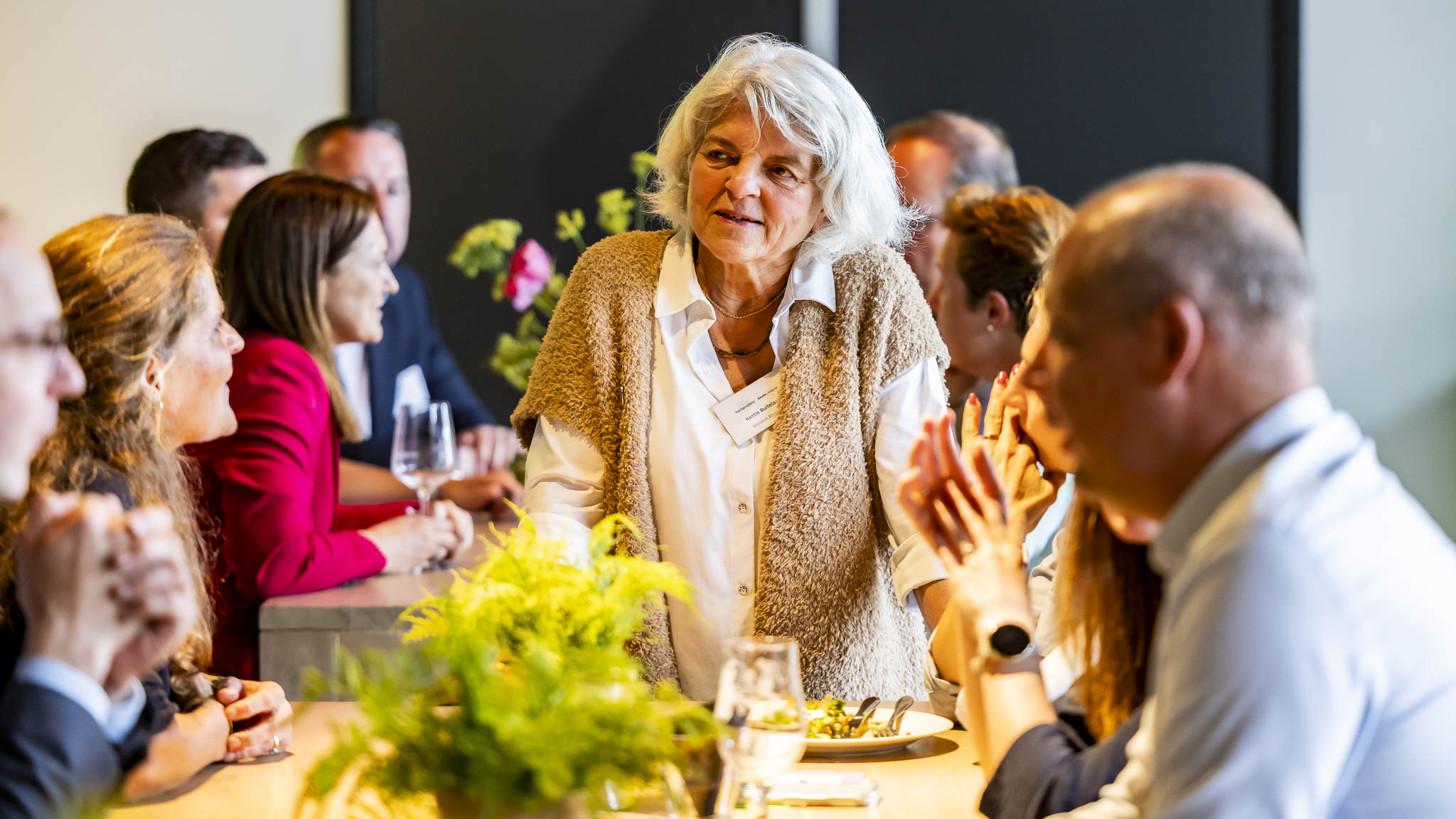
On June 12, the Dutch biotech community gathered once again at InnStyle in Maarssen for the Dutch Biotech Event 2026, powered by Health Holland. The day served as a reminder of what makes the Dutch biotech ecosystem so powerful: ambitious entrepreneurs, world-class science, and a community that is willing to collaborate to turn innovation into impact.
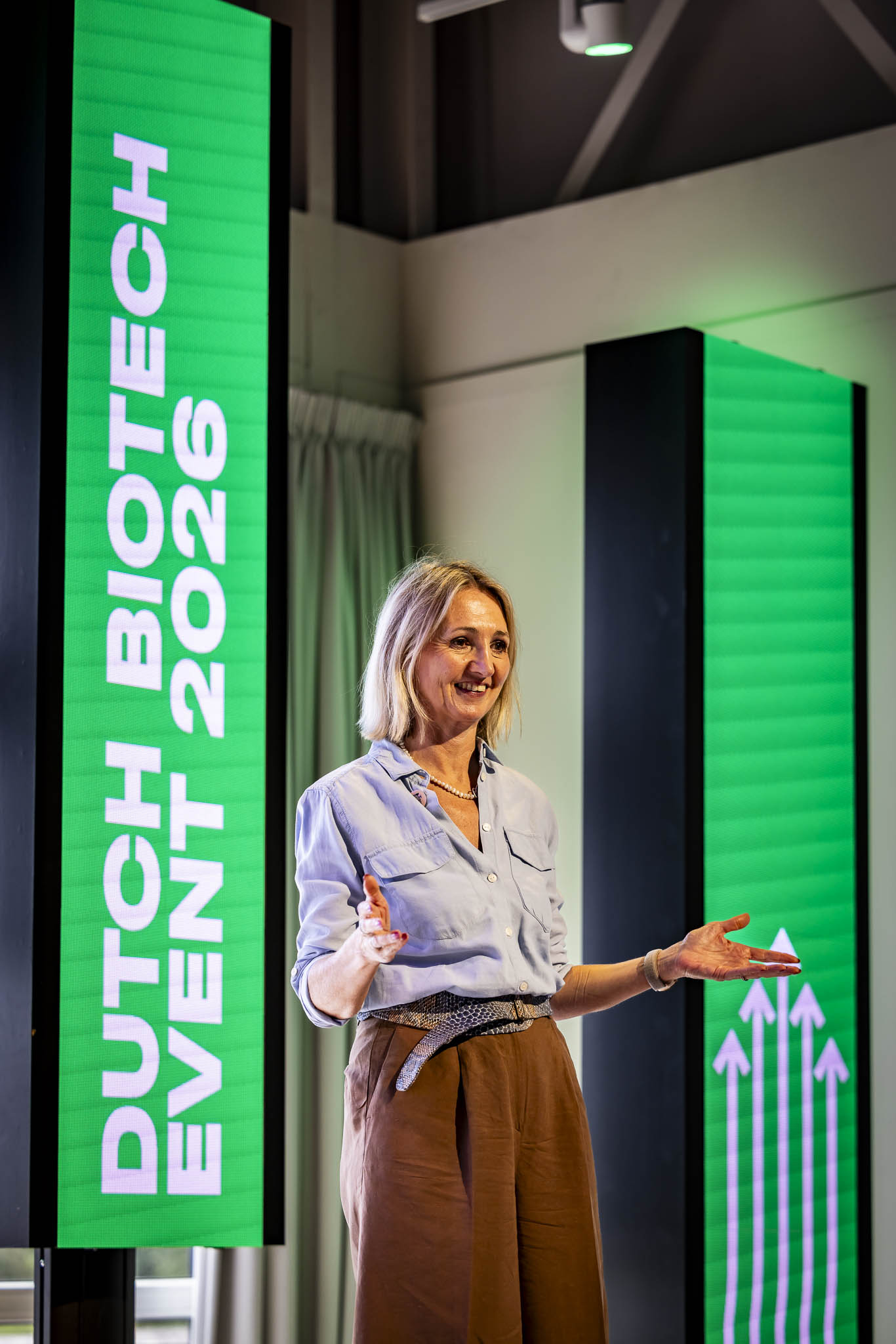
Opening the event, hollandbio’s Managing Director Annemiek Verkamman reflected on the growing political attention for biotechnology. With biotech firmly on the agenda in both the Netherlands and Europe, the challenge now is to translate ambition into action. From talent and funding to infrastructure and market access, creating the right conditions for biotech innovation requires collaboration across the entire ecosystem. Hollandbio remains committed to connecting stakeholders and driving progress on these themes together.
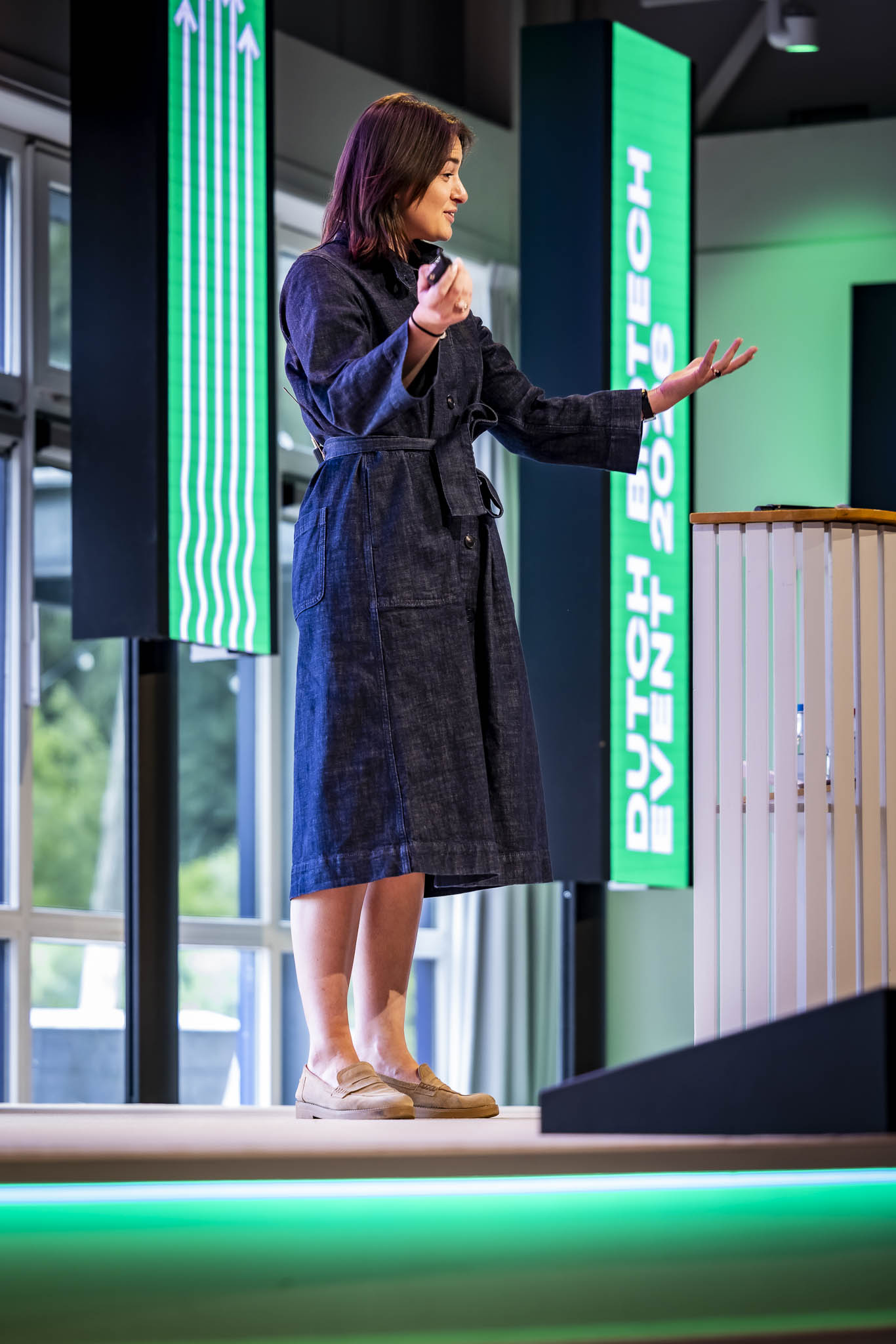
The first keynote speaker, Violette Defourt, CEO and founder of Rapidemic, shared the realities of building a biotech company from the ground up. Through her personal journey in a leading a company, she demonstrated that entrepreneurship starts with strong conviction: believing in your vision, staying close to your values, and continuing to move forward even when the path ahead is uncertain. Her story resonated strongly with founders and innovators across the audience.
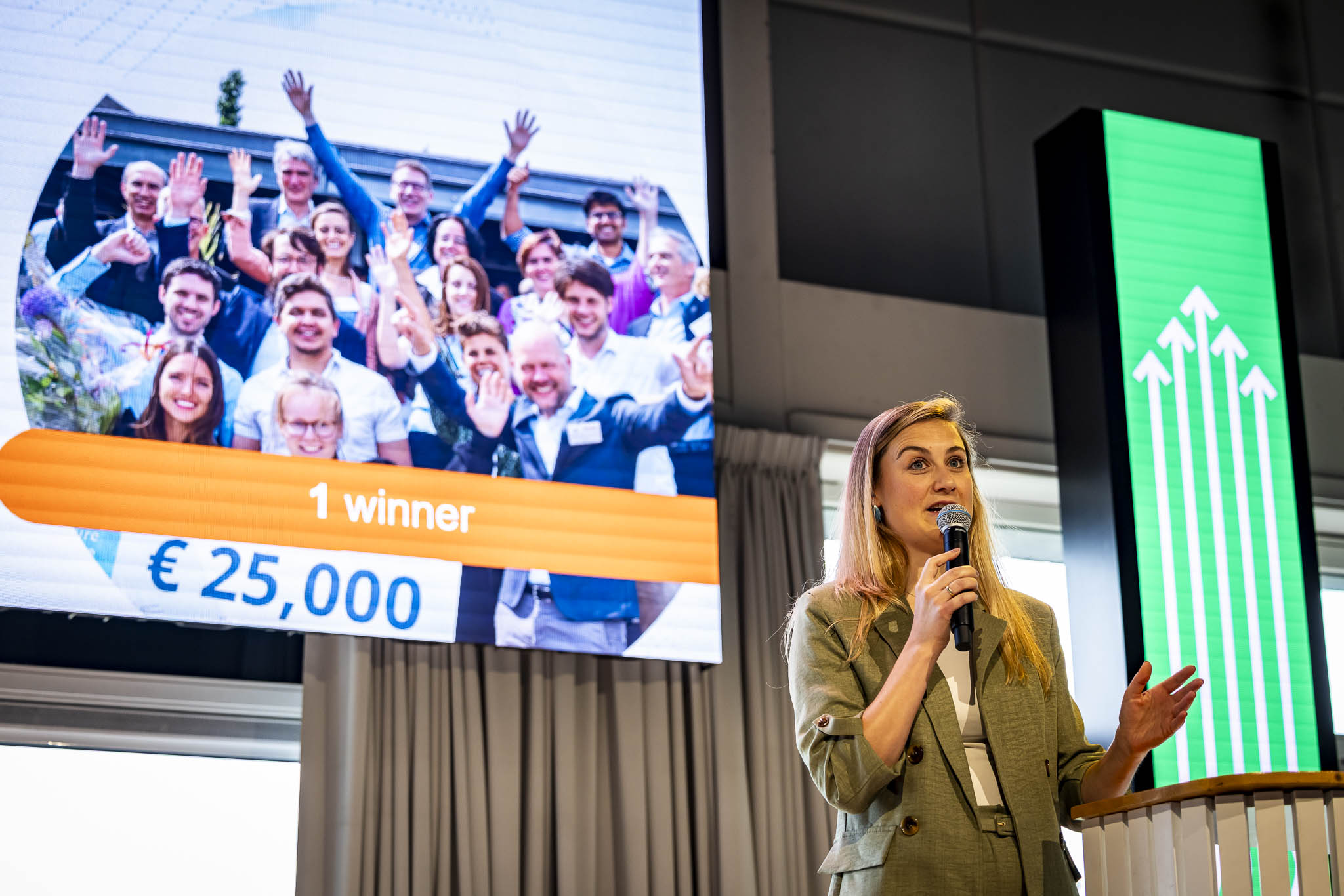
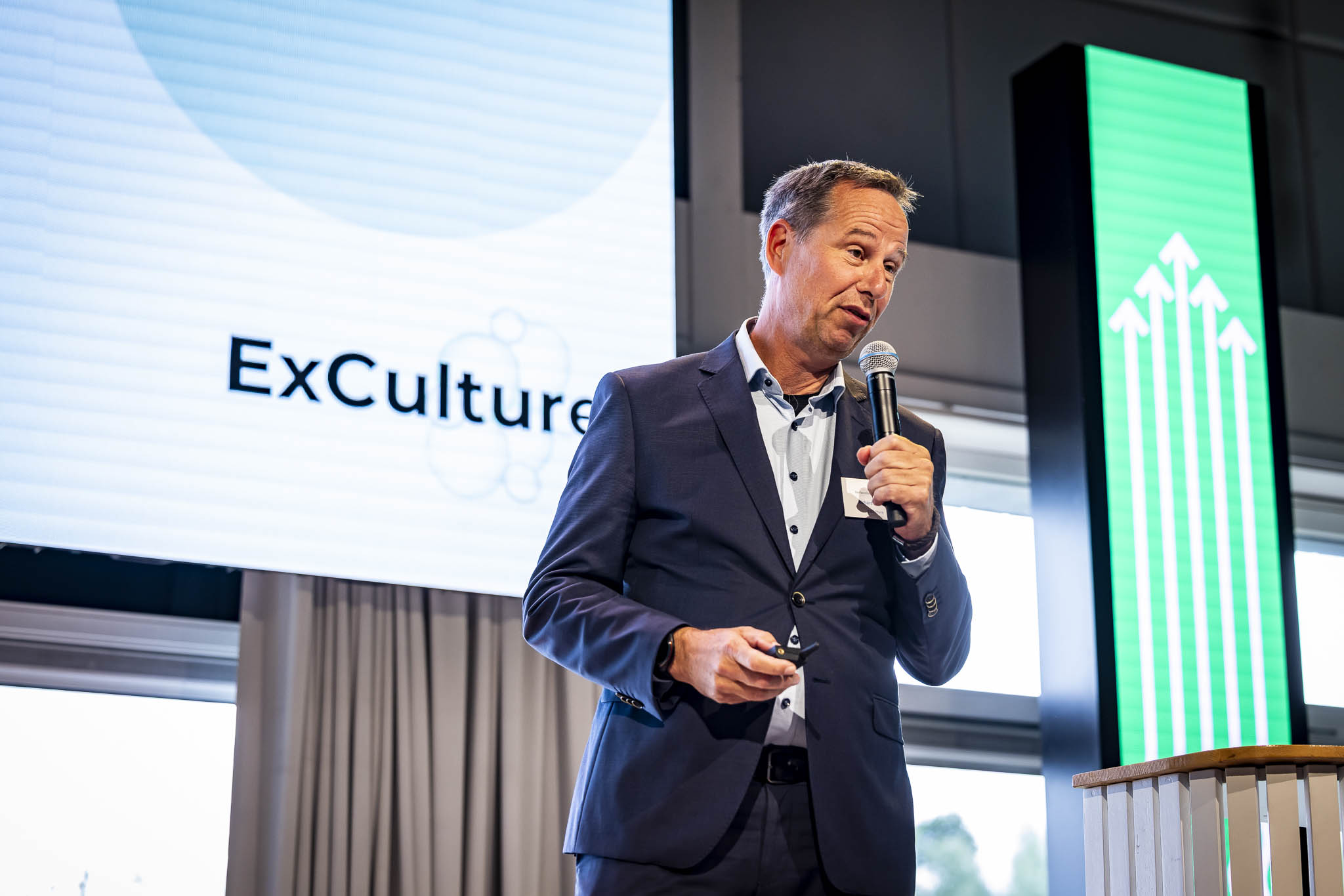
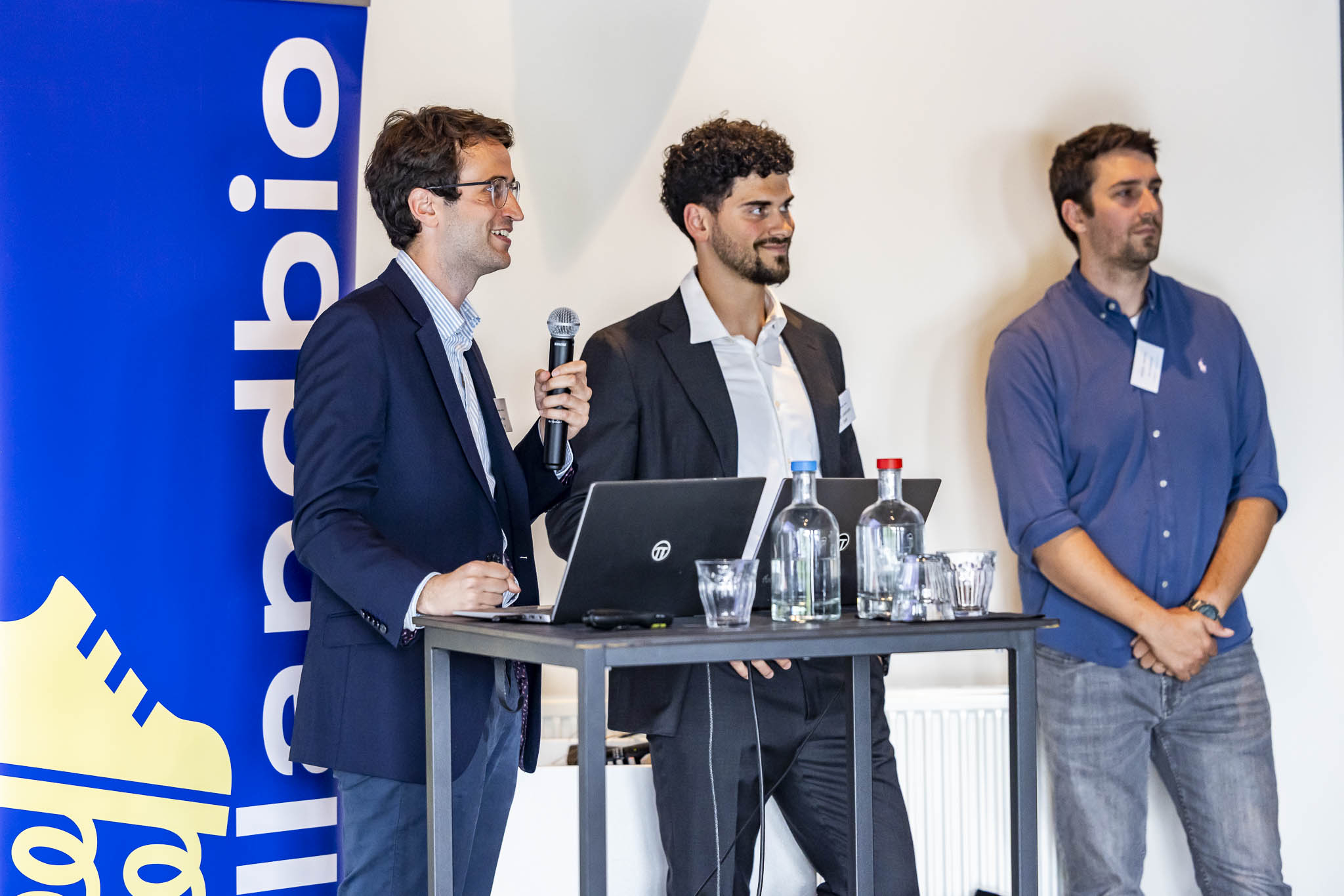
The entrepreneurial spirit of Dutch biotech was also on full display during the Venture Challenge alumni pitches. Three promising startups took the stage to share their innovations and ask the audience for support in their next phase of growth. ExCulture is looking for funding to scale up its animal-free alternative to porcine-derived heparin. Omivera showcased its kinase-focused platform that helps pharmaceutical companies better understand drug-target interactions and accelerate drug development. And Virogenesis invited feedback and collaboration from vaccine developers and industry partners on its organoid-based platform for respiratory virus production, which is currently under EMA evaluation.
Later in the afternoon, Olivier Rigaud, CEO of Corbion, offered a perspective from a company that has successfully grown from Dutch roots into a global leader in food and pharmaceutical ingredients. He highlighted the important role established companies can play in strengthening the biotech ecosystem. Corbion actively supports startups by helping them focus, scale and access funding—while also benefiting from these collaborations by staying connected to emerging technologies and entrepreneurial thinking, he explained. Corbion’s approach demonstrates how long-term innovation investments can go hand in hand with a strong and stable core business.
Throughout the afternoon, attendees also joined breakout sessions covering some of the most pressing topics for biotech entrepreneurs and innovators:
Biotech Financing Trends – What Drives Biotech Funding
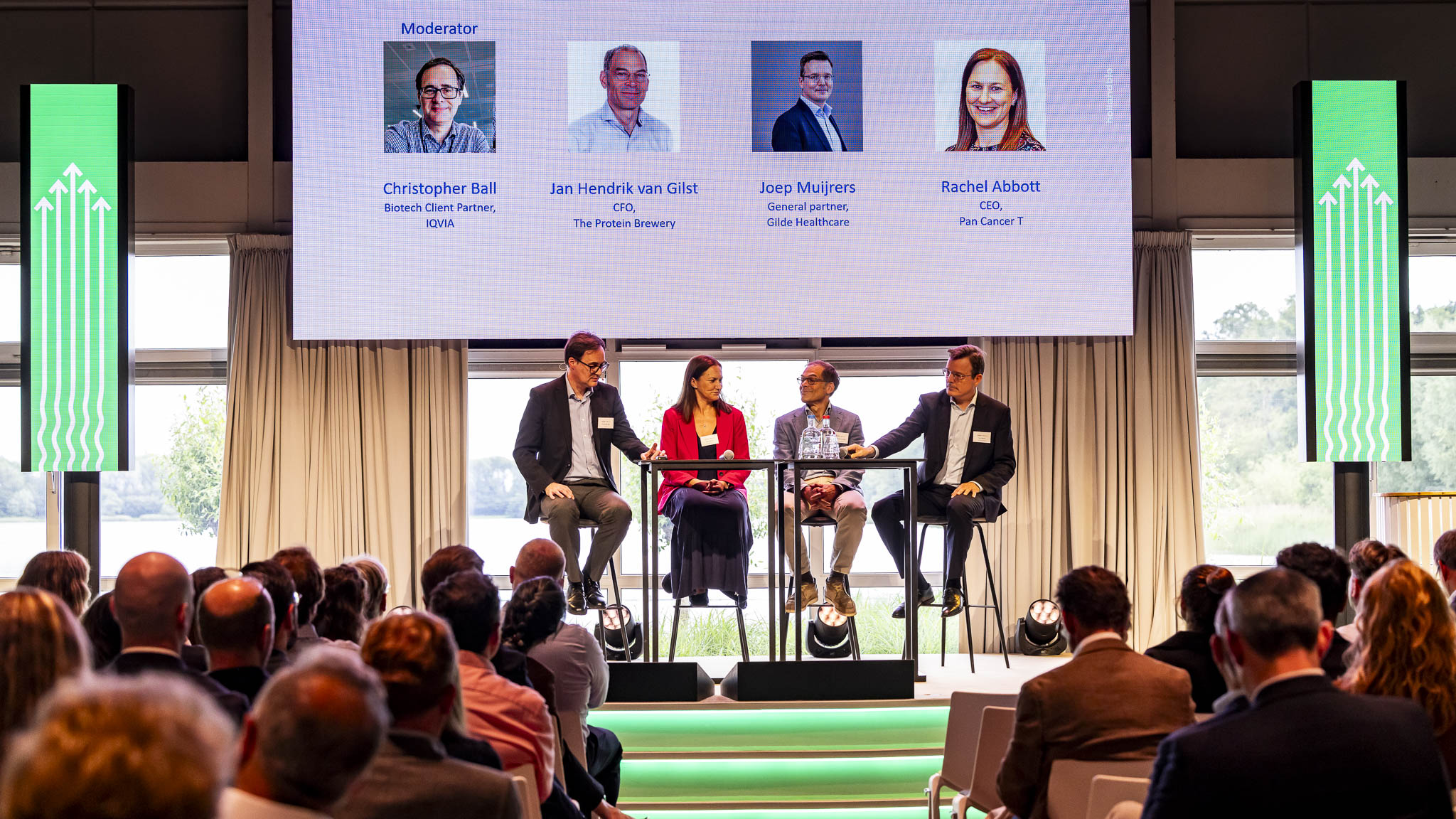
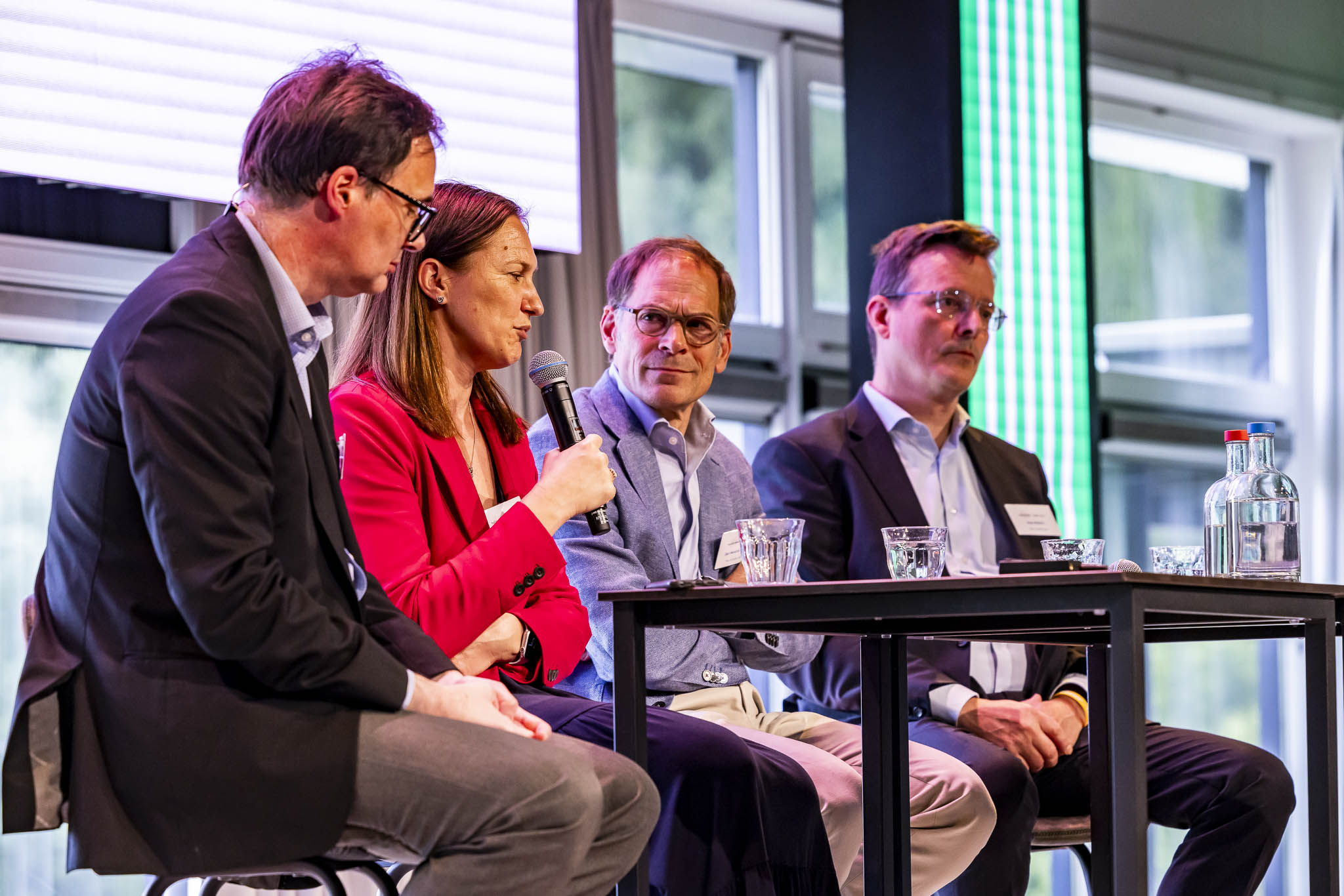
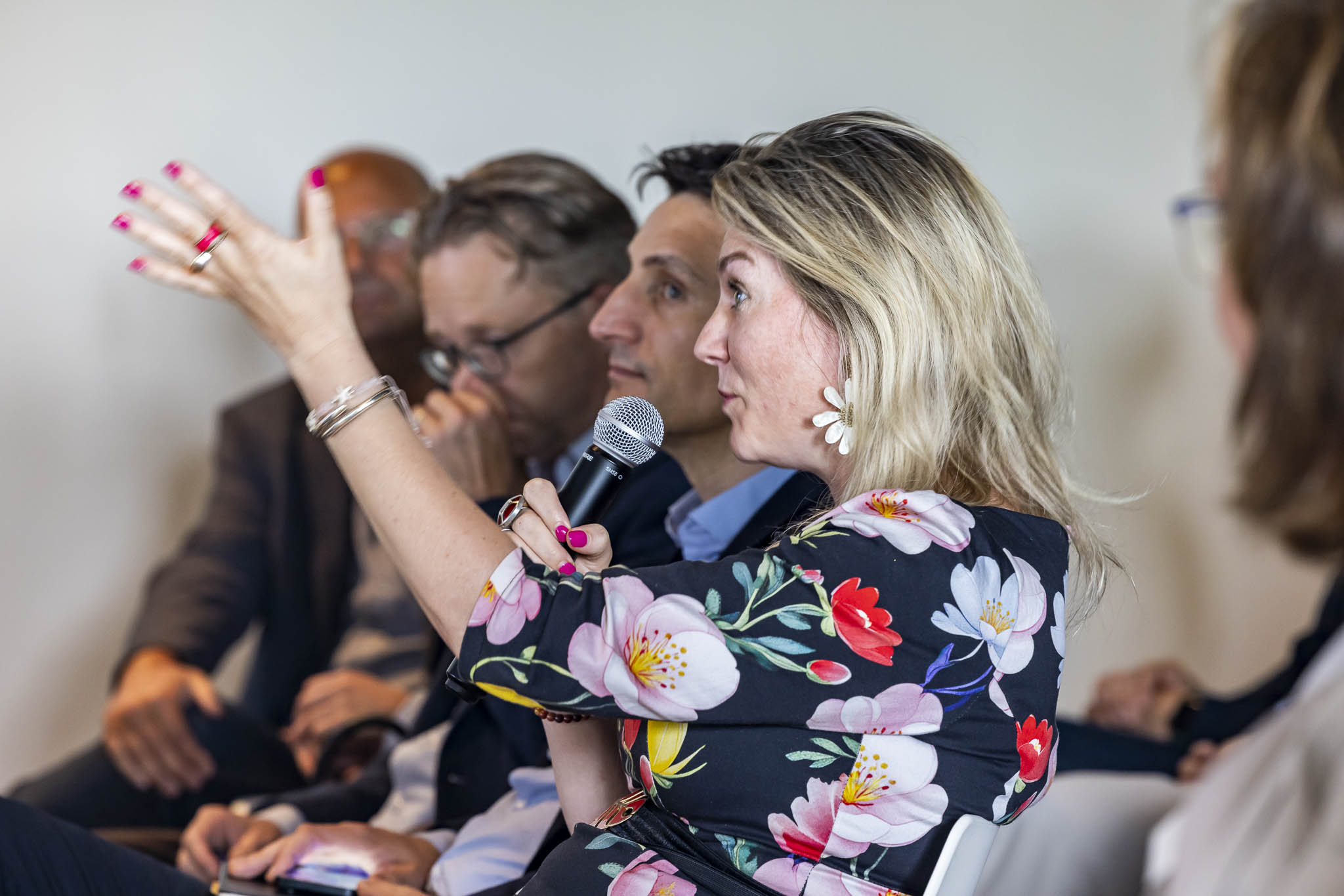
The financing breakout explored how the biotech funding landscape continues to evolve. Moderator Christopher Ball (IQVIA) first presented data showing signs of recovery. Venture capital investment is increasing, public markets have reopened and M&A activity is accelerating as pharmaceutical companies seek to replenish their pipelines. At the same time, funding is becoming increasingly concentrated in fewer companies and later-stage opportunities, raising the bar for founders seeking investment. Thereafter, panelists offered a candid perspective on what it takes to secure funding in today’s market. Rachel Abbott shared how Pan Cancer T adapted its financing strategy to generate critical data with limited resources, while Jan Hendrik van Gilst reflected on the realities of navigating a multi-year fundraising process while scaling The Protein Brewery. From an investor perspective, Joep Muijrers from Gilde Healthcare emphasized that fundraising is ultimately a people’s business, built on long-term relationships, trust and consistent execution. Across the panel, speakers agreed that strong science remains essential, but that successful fundraising increasingly depends on clear communication, a compelling value proposition and the ability to demonstrate progress over time.
Scaling Smart
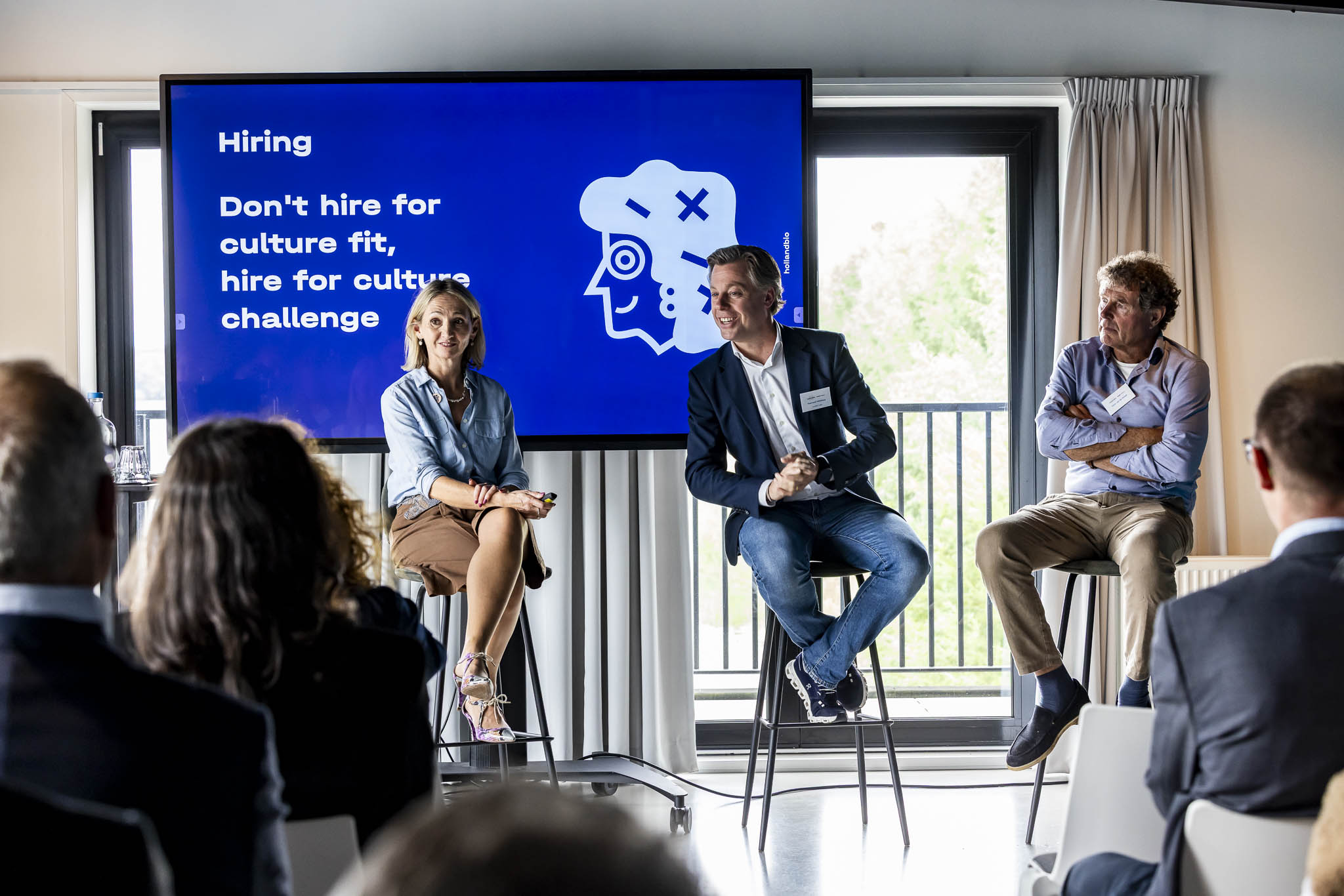
The Scaling Smart session focused on a challenge many growing biotech companies face: how do you preserve culture while scaling rapidly? Speakers agreed that culture is ultimately shaped by people and reinforced through everyday behaviour. As organizations grow, maintaining that culture becomes increasingly difficult, making it essential to hire people who embody and actively spread the company’s values. The discussion also highlighted the importance of creating an environment where employees feel empowered to challenge assumptions and speak up. As LeydenLabs’ Koenraad Wiedhaup noted, organizations improve when people dare to question the status quo, while former Galapagos CEO Onno van de Stolpe emphasized the importance of fostering a culture in which people feel comfortable saying “no” when needed. Participants also reflected on the Dutch tendency to revisit decisions repeatedly, concluding that innovation requires not only critical thinking, but also the confidence to move forward once a decision has been made.
Shaping the Next Generation of Biotech Talent
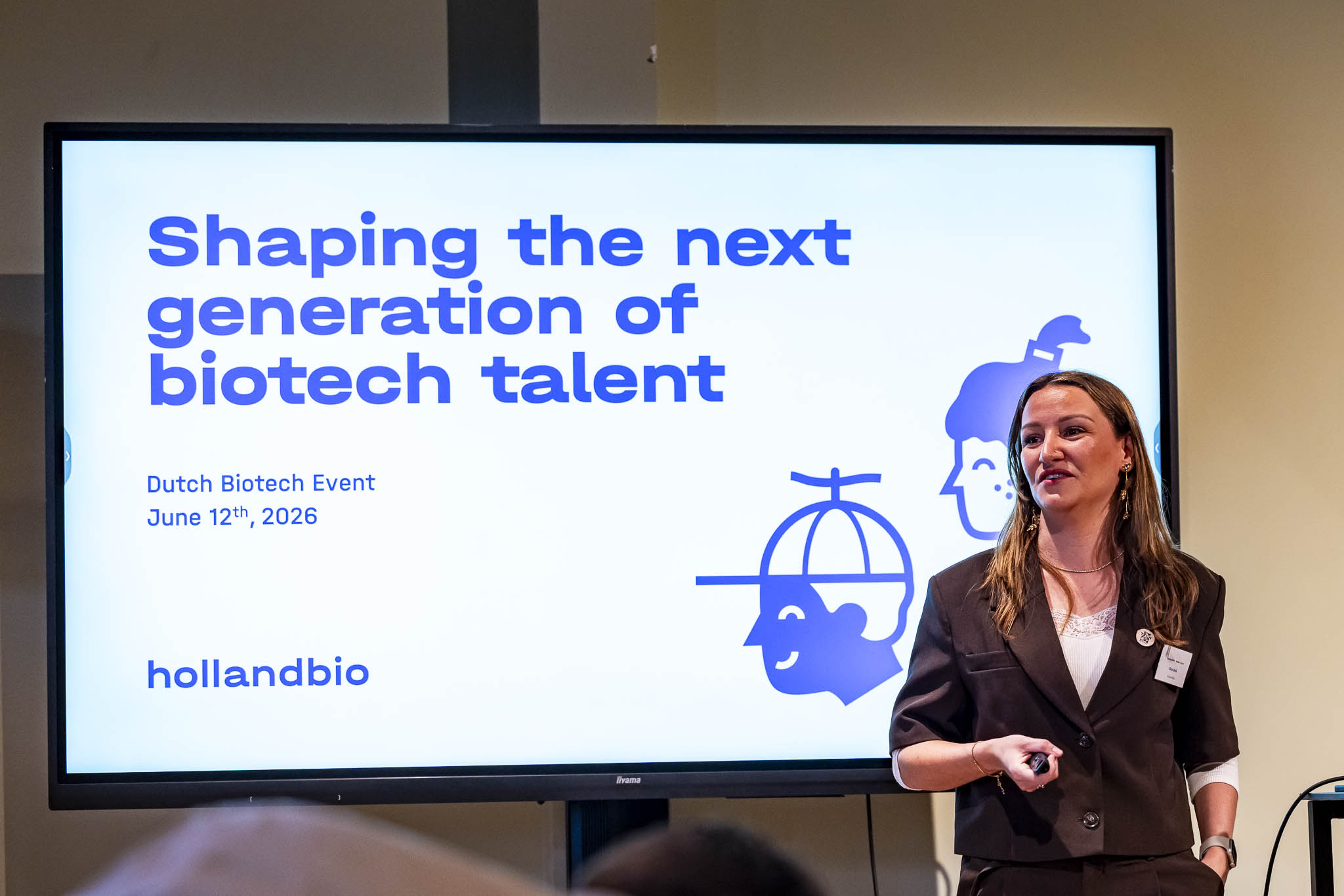
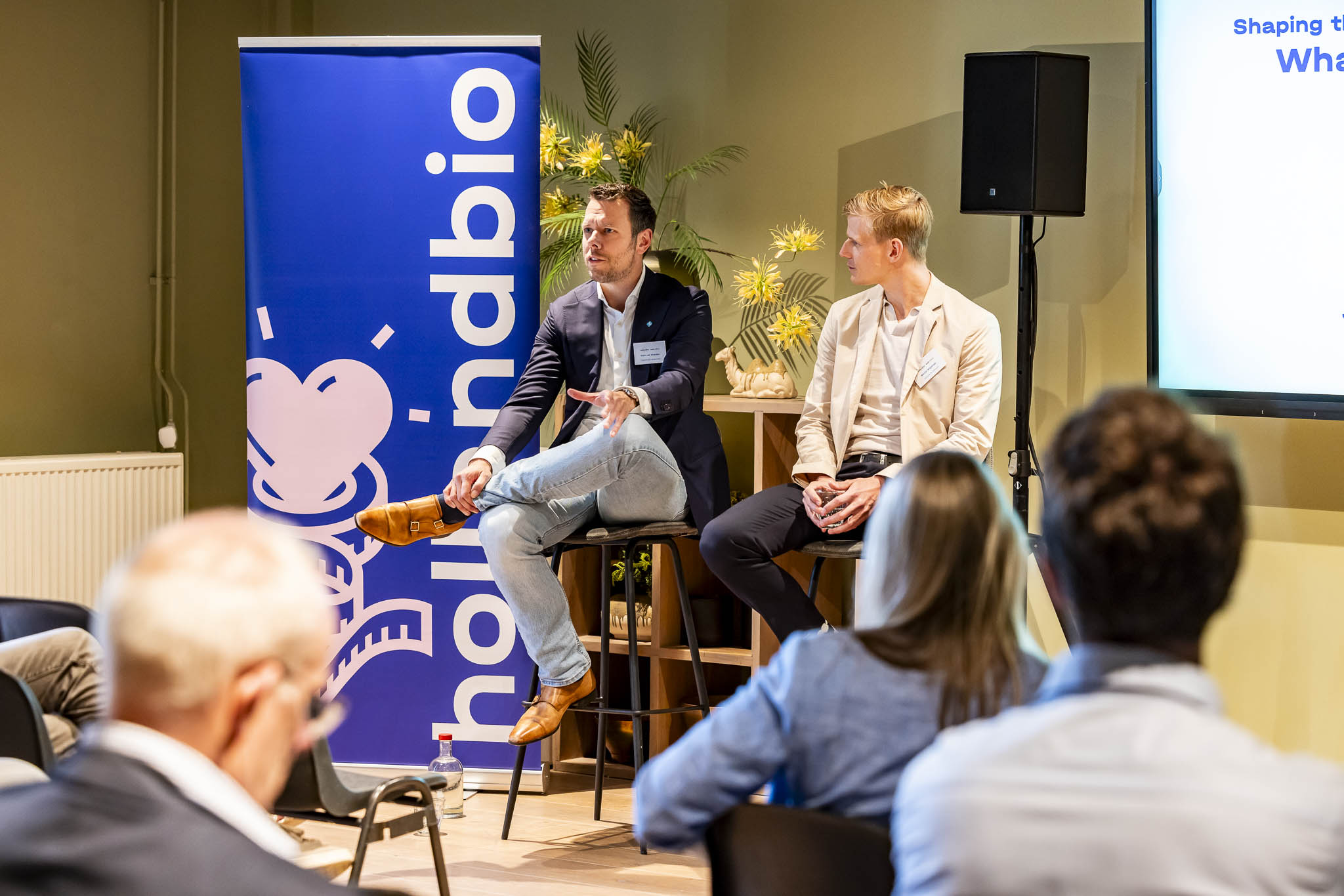
One of the most interactive discussions centred around the future of biotech talent. Following a presentation by Dina Diek on hollandbio’s GenZelfWeten campaign, moderator Ida Dlugosz guided a conversation with Martijn Wapenaar from Johnson & Johnson and Robin van Woerden from Talentmark on how the sector can attract and retain the next generation of biotech professionals. Participants agreed that talent is a complex, multi-dimensional challenge. Declining student inflow, competition from other sectors, mismatches between academia and industry, and the need for reskilling all play a role. The discussion highlighted that the sector can make the biggest difference by engaging with current and future talent at the right moments. By making biotech visible, relatable and relevant, companies and professionals across the ecosystem can help showcase the true essence of biotech and inspire future innovators.
AI in Business
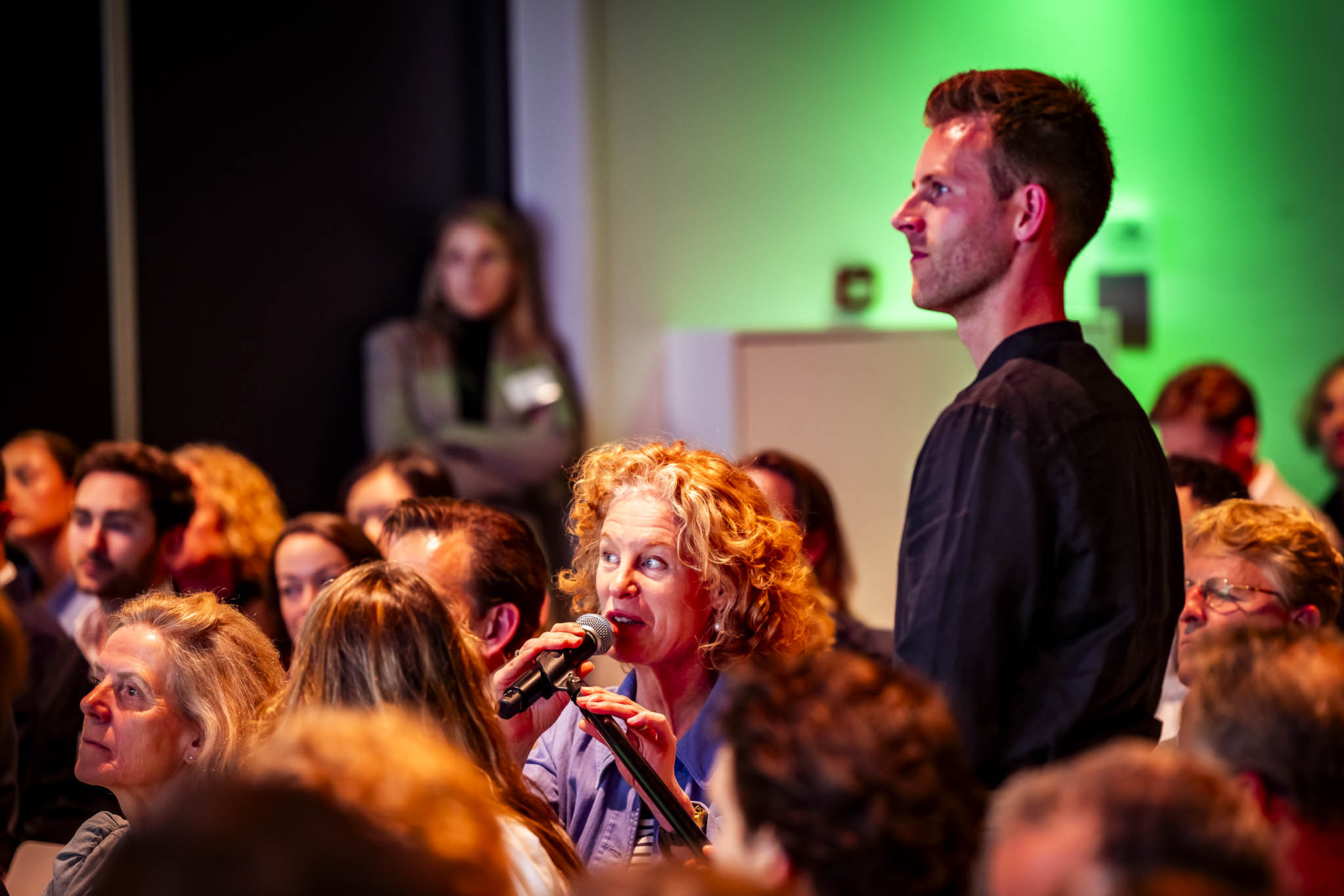
In a packed session led by MKB Data Studio, Dario Turelli, Giacomo Lastrucci and Max Theisen (TU Delft) explored the many ways AI is already transforming biotech organisations. From drafting content and deploying AI agents to optimising production processes, the opportunities seemed endless. At the same time, the discussion raised broader questions about collaboration, knowledge sharing and trust. How much should companies share with one another? Where can collective gains be achieved? And perhaps most importantly: how much confidence should we place in work generated by AI?
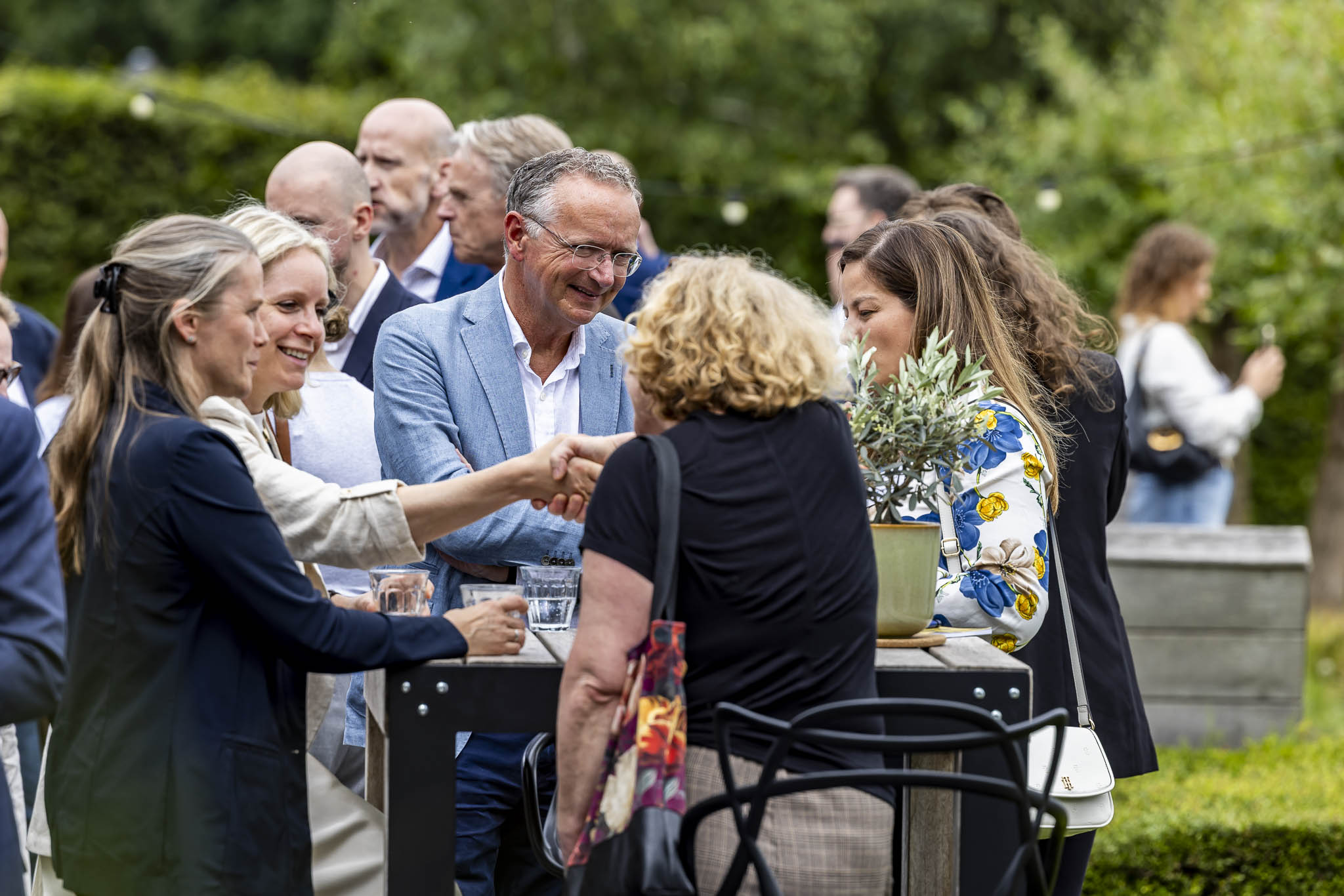
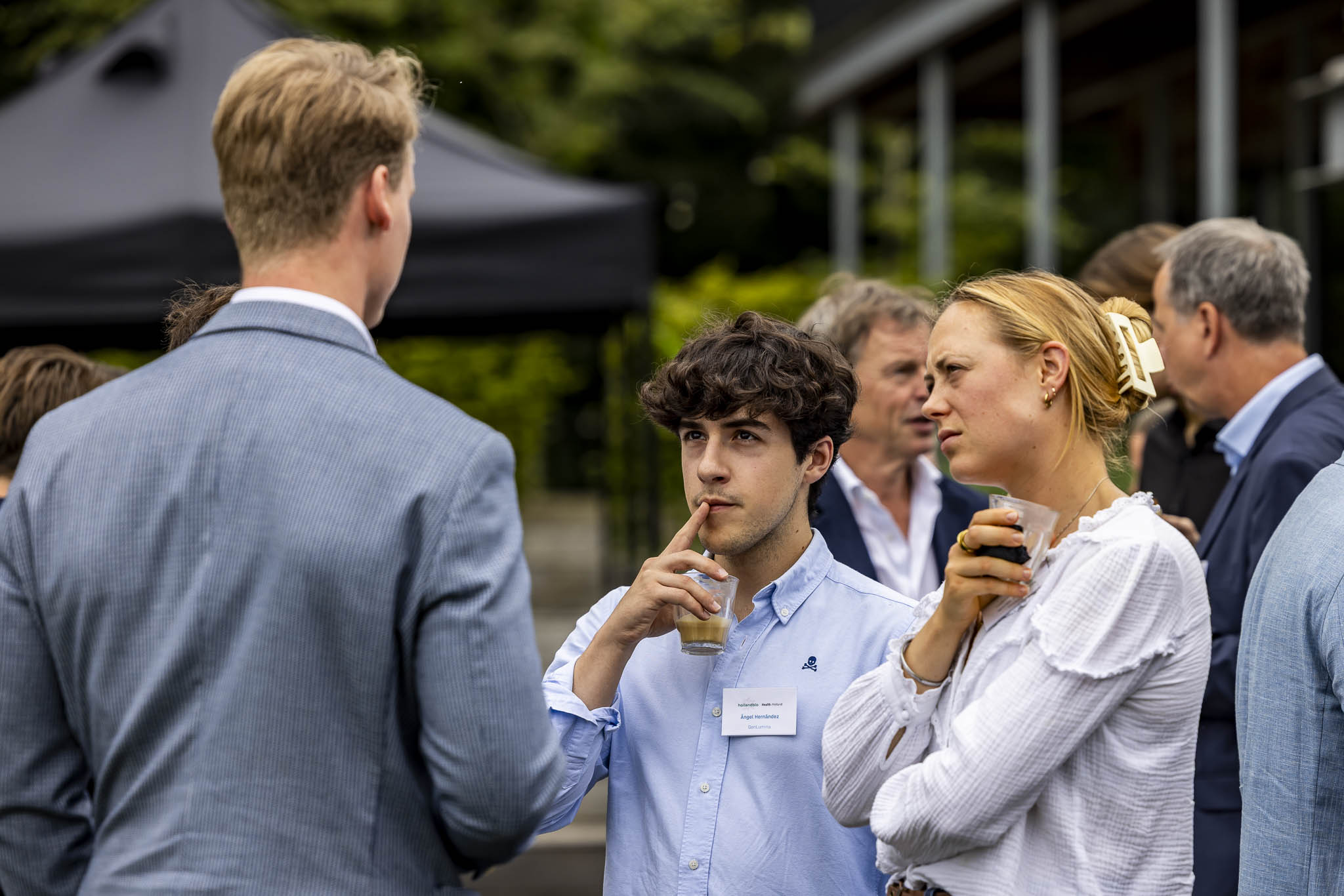
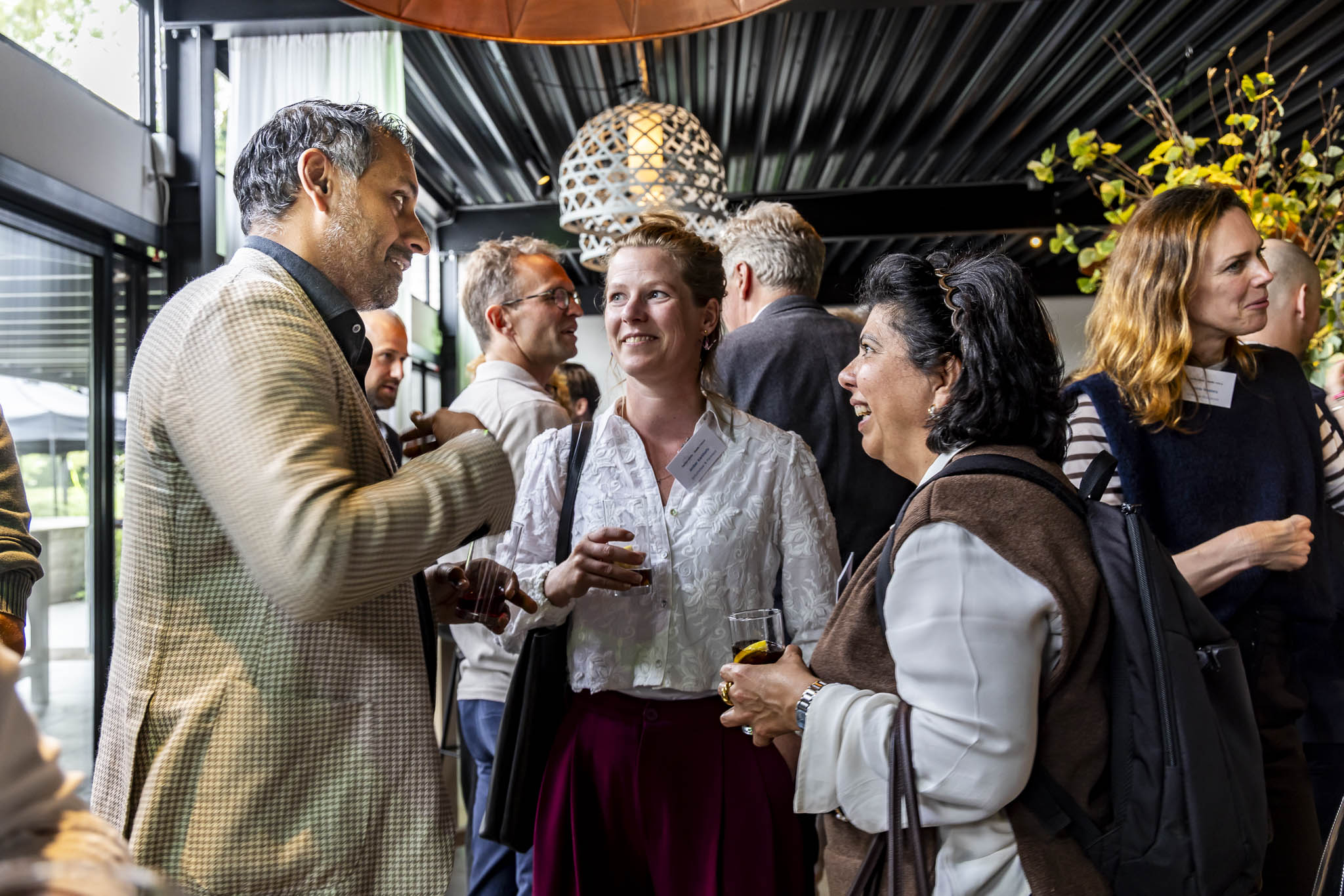
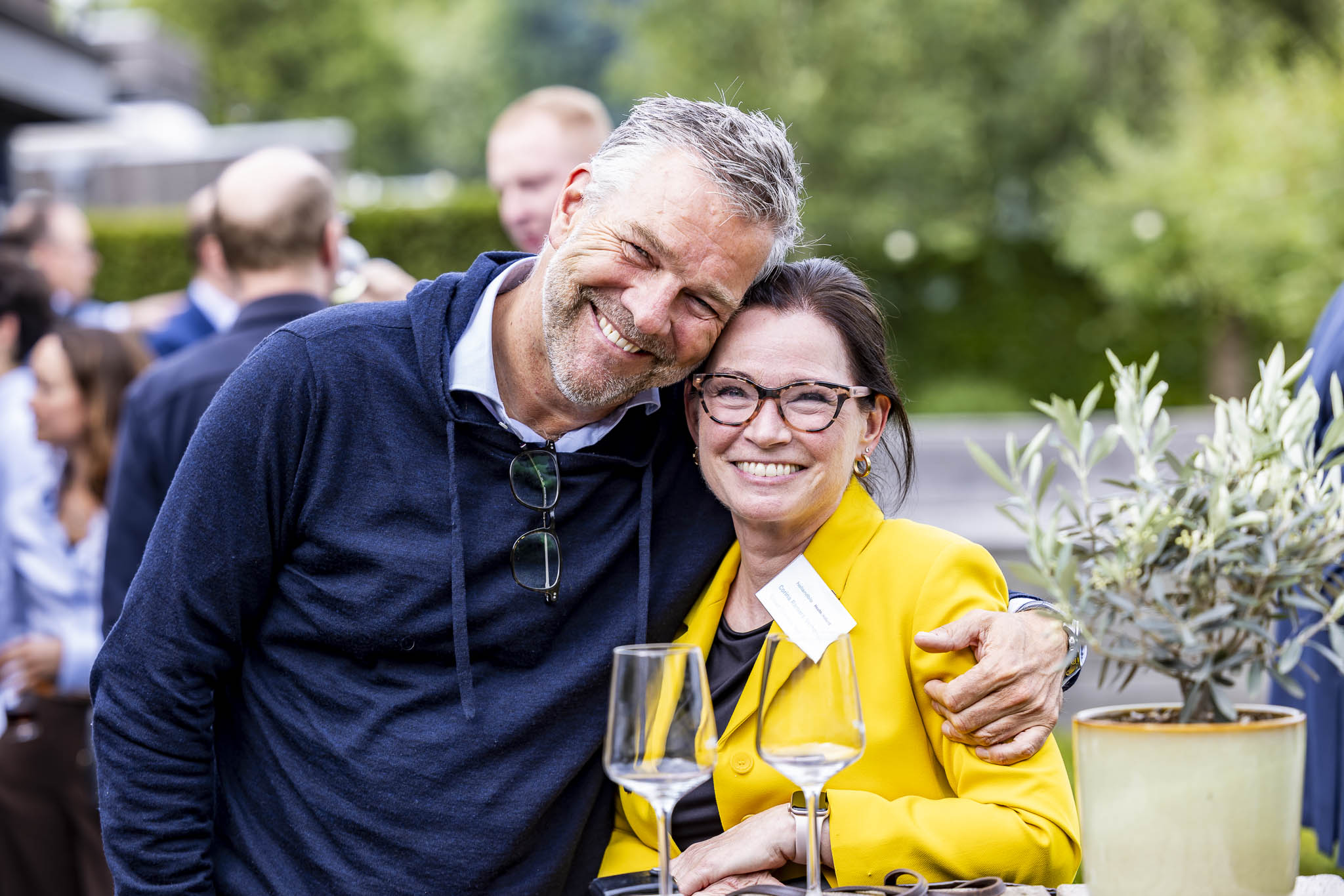
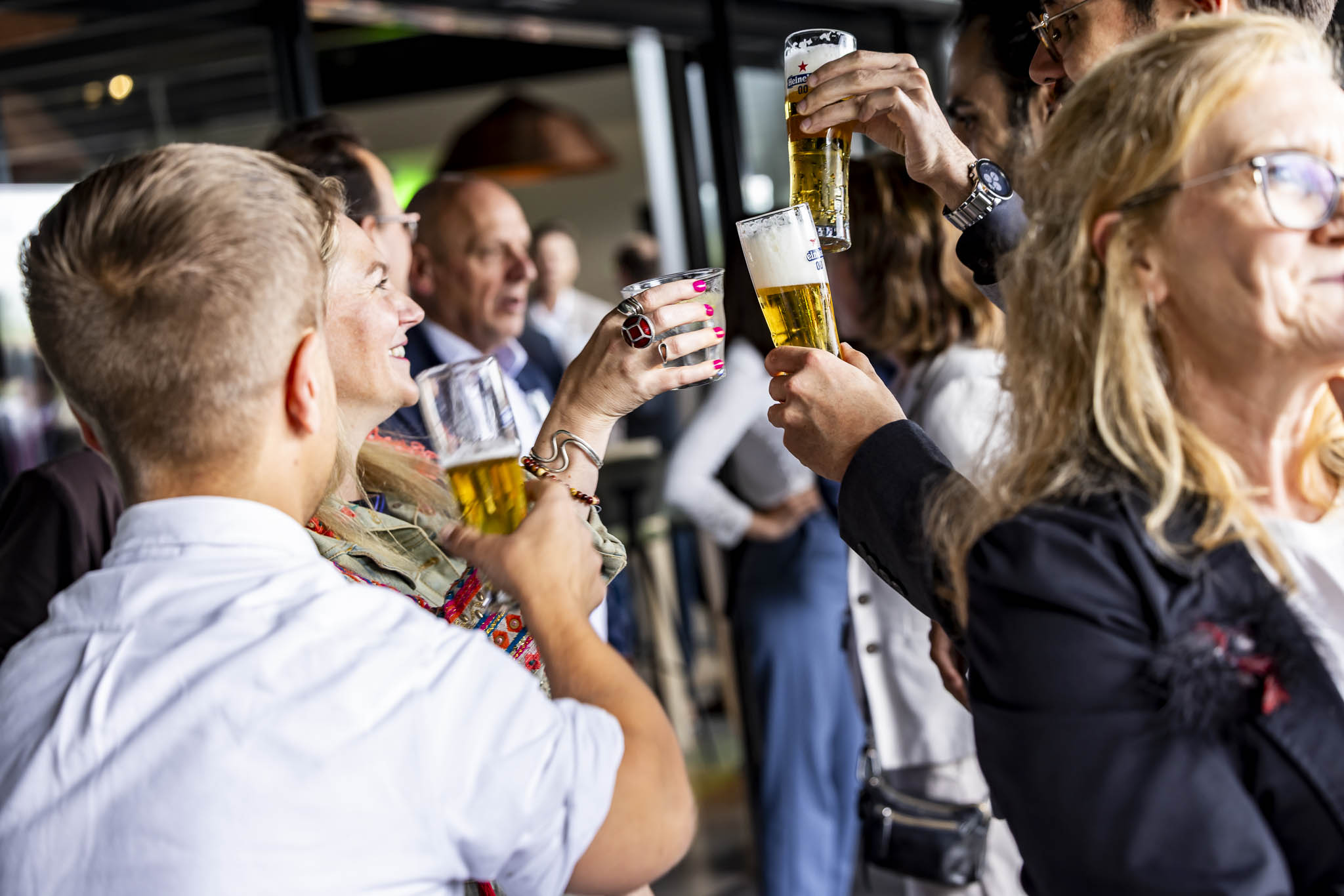
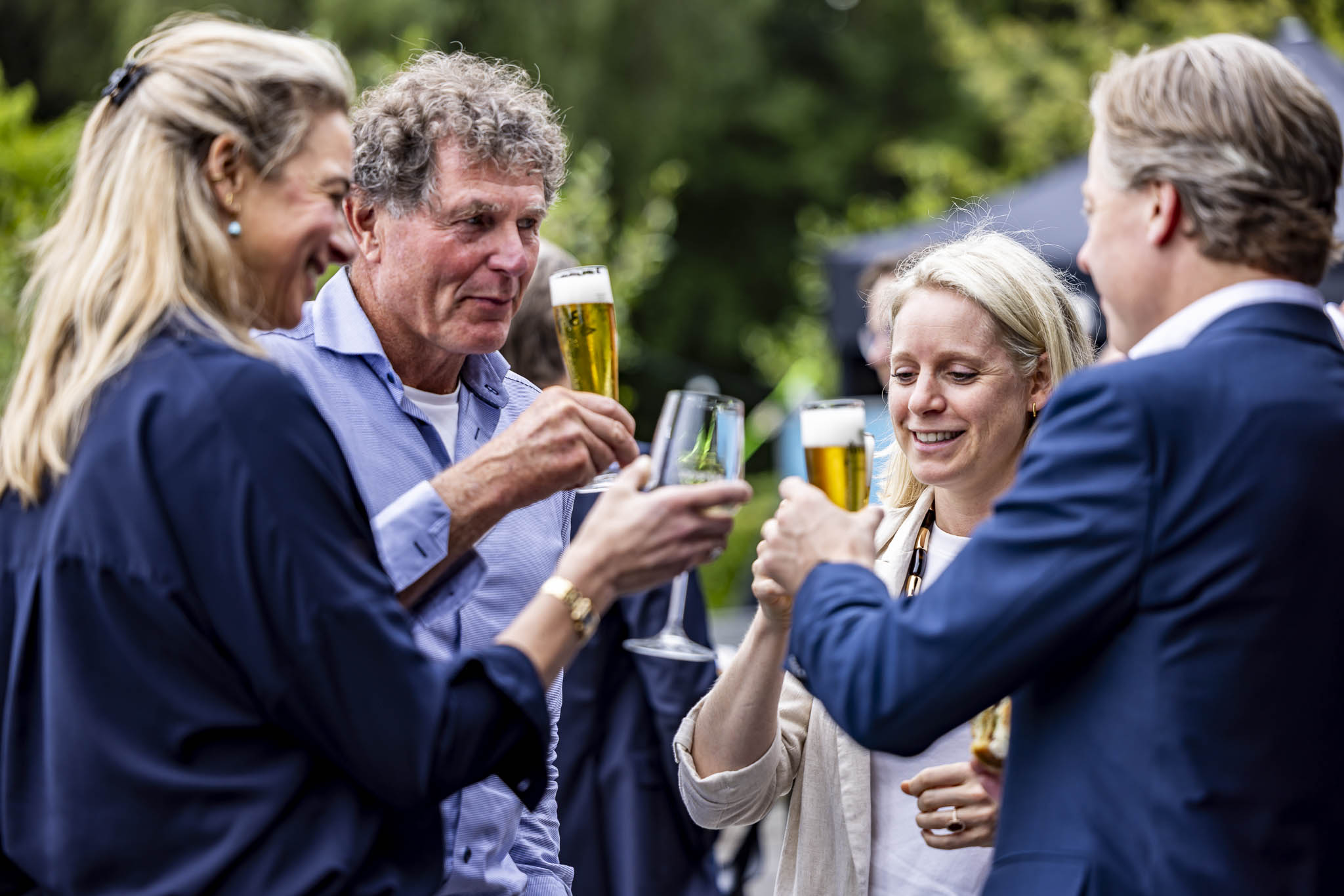
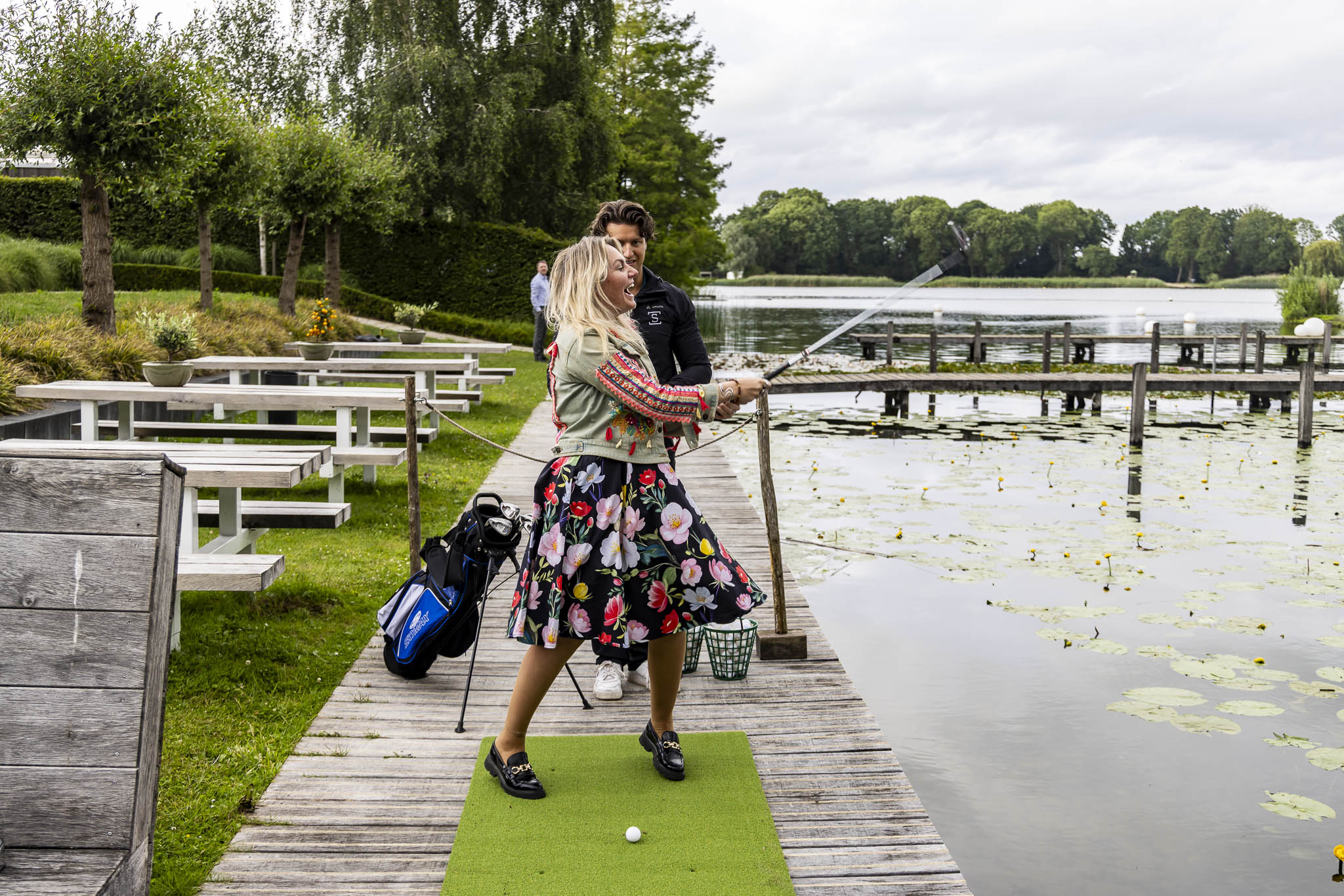
The day concluded with networking drinks, a BBQ and a few people who tried to perfect their hole-in-one swing.
A big thank you to all speakers, moderators, sponsors, partners and attendees who helped make the Dutch Biotech Event 2026 another inspiring celebration of the power of biotech. We look forward to seeing you again next year.